Durban Hotels Galore: Where to Stay and What to Do
Durban, a vibrant coastal city in KwaZulu-Natal, blends subtropical warmth with a rich multicultural heritage. When planning a stay, it helps to focus on the areas that best match your itinerary, whether you’re chasing beach time, cultural experiences, or easy access to transport hubs. Durban’s accommodation scene ranges from stylish guesthouses and boutique hotels to larger corporate-friendly properties, many of which offer thoughtful amenities for short breaks and longer stays alike.
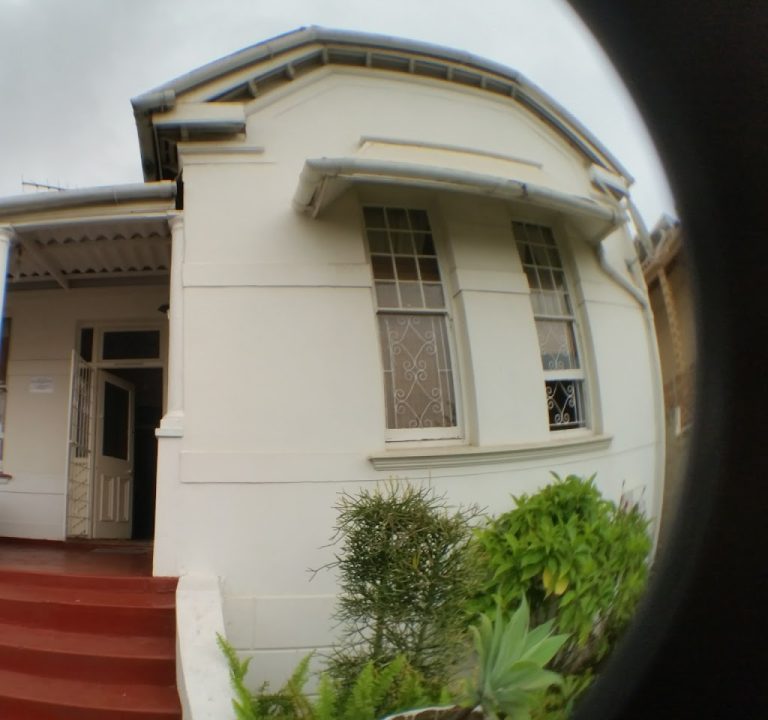
Consider staying in the city’s central belt near the Golden Mile and沿 the beachfront for easy access to sandy shores, promenades, and casual dining. This area tends to attract travellers who value walkability, quick hops to attractions, and a lively atmosphere after dark. For a more laid-back vibe with a touch of colonial elegance, look to Victorian or older properties within the central suburbs, where guesthouses may provide personalised service and a quieter retreat after busy days exploring markets and museums. If you prefer a more upscale or resort-like experience, you’ll find modern hotels and boutique properties clustered near trendy districts and bustling shopping centres inland, often with longer-stay comfort in mind.
Areas to consider include:
- Durban beachfront and the Golden Mile for coastal walks, surfing culture, and sea-facing rooms
- Central business district and nearby suburbs for easy access to museums, theatres, and markets
- Durban north and surrounding coastal towns for a quieter stay with access to family-friendly beaches
- Berea and Windermere areas for stylish decor, cafes, and proximity to the city’s iconic architecture
When booking, practical considerations matter as much as price. Check room layouts for families or groups, and look for options with flexible cancellation policies in case travel plans shift. Confirm whether air conditioning is available for heatwaves, which are common in KwaZulu-Natal, and whether the property offers secure parking if you’re driving. Wi-Fi reliability is important for planning days, staying connected, and sharing photos from the coast. Read recent guest reviews to gauge the consistency of housekeeping, quietness, and the responsiveness of staff.
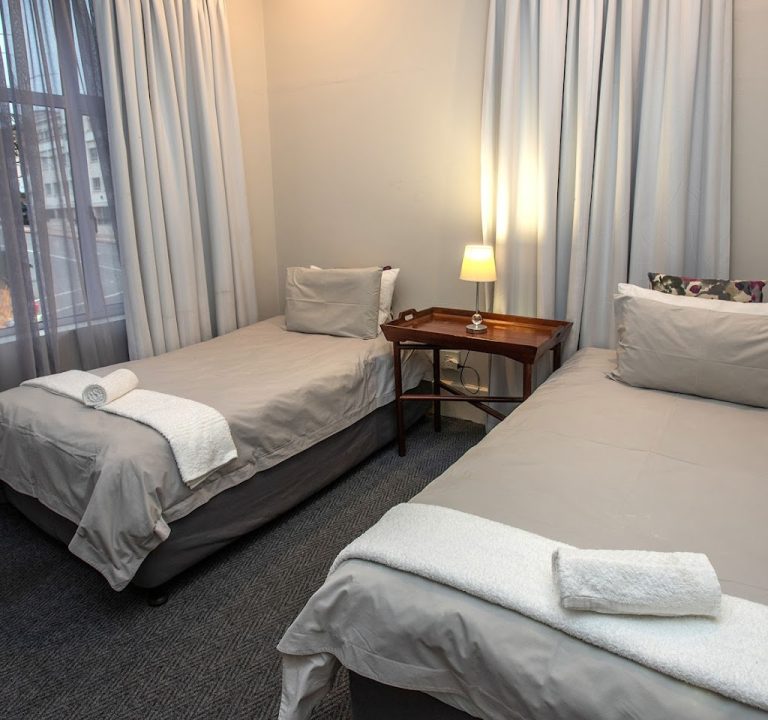
Typical amenities you might encounter include en-suite bathrooms, daily housekeeping, and complimentary tea and coffee facilities. Some properties provide full cooking facilities or kitchen access, which can be convenient for longer stays. On-site restaurants or easy access to casual eateries can save time, while fitness rooms, pool areas, and shared lounges create a comfortable base after day trips. If you’re travelling with children, look for family-friendly rooms, baby cots, and shaded outdoor spaces for safe play. For business travellers, in-room desks, power outlets near the bed, and meeting rooms can be useful extras.
Transport in Durban is best planned around comfort and convenience. The city has a public taxi network and ride-hailing services, plus car rental options for those who want to explore beyond the immediate coast. If you rely on public transport, choose accommodation within reasonable reach of major bus routes or taxi zones. Proximity to the airport or harbour can shorten total travel time, especially for short stays. When hiring a car, verify parking arrangements and any associated fees. In terms of inclement weather, Durban’s subtropical climate means you can enjoy outdoor activities most months, but it’s wise to have a rain plan during the summer thundershowers and occasional tropical showers.
The best time to visit Durban for most travellers tends to be during the shoulder seasons when the weather is warm but crowds are thinner. The city has a vibrant outdoor culture year-round, with markets, parks, and coastal paths that invite exploration. If you’re seeking fewer crowds and lower prices, consider spring or autumn. For festival-loving guests, align your stay with local markets or cultural events, keeping in mind that bookings might fill quickly around peak holiday periods.
When planning a stay, think about your interests. For beach lovers, a place with easy access to the promenade and a pool can maximise downtime between seaside strolls. For foodies, proximity to markets, casual eateries, and neighbourhood bistros enhances day-to-day meals without long commutes. For culture vultures, staying near museums, theatres, and historic districts makes afternoons of discovery effortless. Durban’s dining scene is diverse, offering everything from traditional South African fare to modern fusion dishes; many guesthouses and hotels can point you toward popular neighbourhoods with varied options rather than single-venue attractions.
To get a sense of the city before you arrive, you can explore the broader Durban area through reputable travel guides and hotel partner sites. A dedicated resource that lists a range of accommodation and experiences is Durban Hotels Galore, which provides a snapshot of options and planning ideas at Durban Hotels Galore. Use it as a planning tool to compare neighbourhoods, find sensible stay lengths, and identify nearby attractions and eateries that suit your style and budget.
In short, Durban rewards well-planned stays. Choose a location that aligns with your priorities—beachfront convenience, cultural immersion, or a quieter residential vibe—and prioritise flexible booking, reliable Wi‑Fi, and essential comforts. With a thoughtful approach to where you sleep and how you move around, your Durban visit can be as relaxed or as energising as you want, with easy access to the city’s many beaches, markets, and eateries.