Port Alfred, KwaZulu-Natal: A Practical Guide to Accommodation, Attractions and Dining
Port Alfred in the Eastern Cape, though sometimes associated with KwaZulu-Natal in broader itineraries, is a friendly coastal town famed for its golden beaches, riverine landscapes and a relaxed, hospitable atmosphere. For travellers seeking a comfortable base with the charm of a seaside location, guest houses, BnBs and small hotels offer a range of options that balance homely hospitality with convenient access to the town’s natural and cultural highlights. Plan your stay around the rhythm of the sea, the estuary and the quiet back streets that reveal the town’s character.
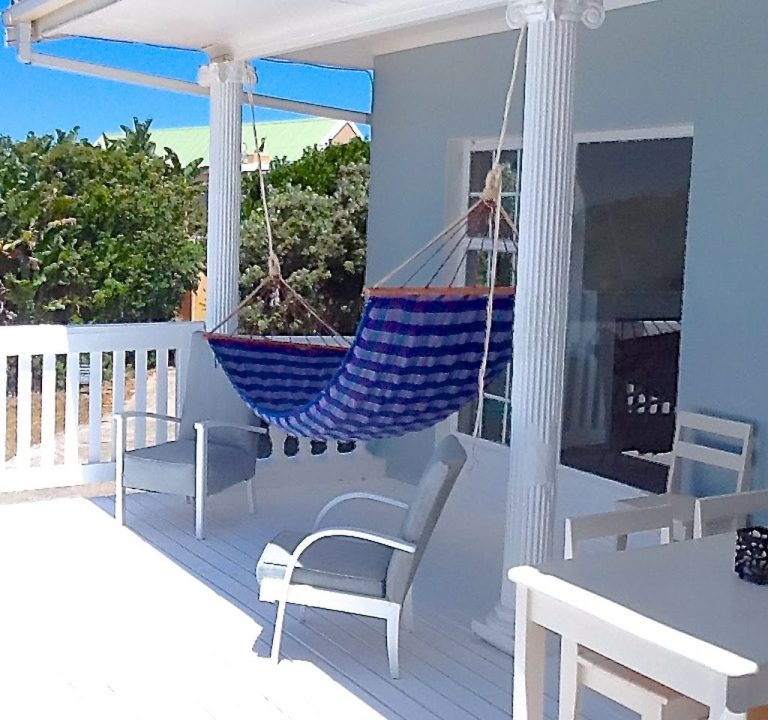
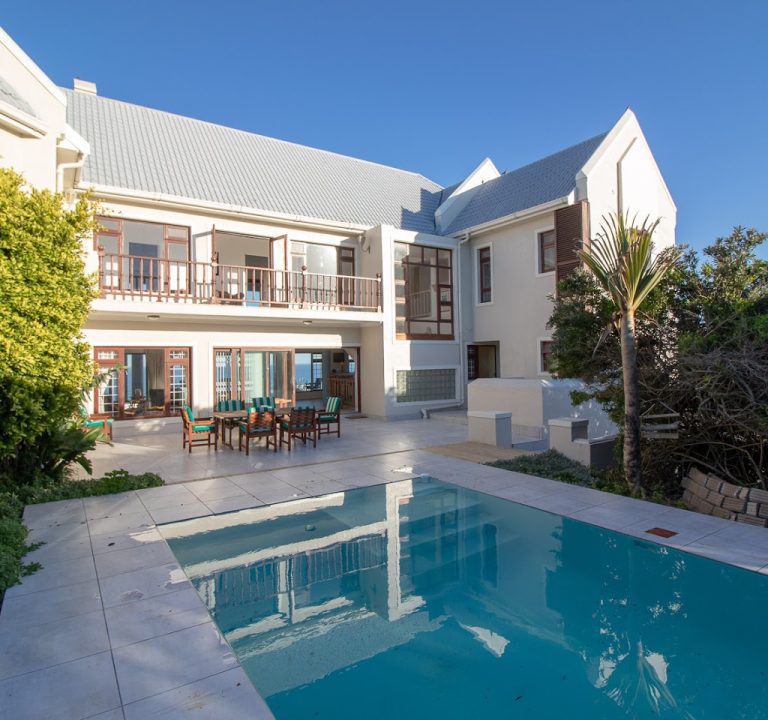
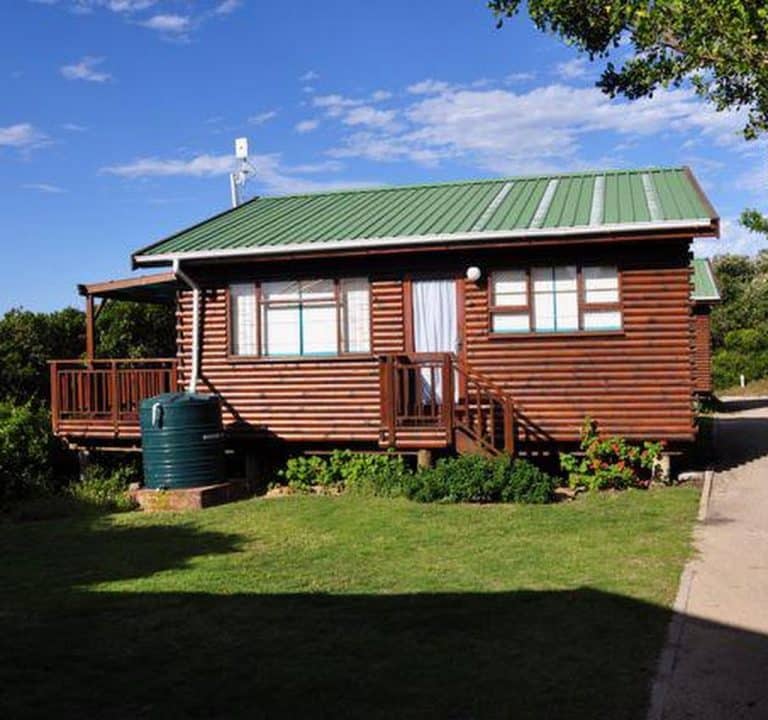
Where to stay matters less for its flashiness and more for how well a property fits your plans. If you want direct access to the shoreline or river, consider places located near the main beaches or along the Alfred River. Budget-conscious visitors may opt for smaller guest houses or self-catering studios, while travellers seeking a touch of indulgence can look for well-appointed rooms with en-suite bathrooms, private balconies or verandas, and generous breakfast options. Many guest houses in Port Alfred also provide secure parking, easy access to town amenities, and friendly insider tips from hosts who know the area well.
Areas to consider when choosing a base include:
- The beachside neighbourhoods, where early morning walks along the shore and late afternoon sunsets are part of the daily routine.
- Port Alfred town centre, which offers a compact selection of eateries, markets and walks to the harbour and marina.
- Riverside or estuary-front pockets, ideal for birdwatching, canoeing and peaceful views across the water.
Typical amenities to look for when booking in Port Alfred include a comfortable bed with fresh linens, a private or semi-private bathroom, reliable hot water, and a good breakfast if that is part of the package. Free or paid Wi‑Fi is commonly available, which is useful if you are coordinating day trips or checking local weather and transport information. Some guest houses provide shared lounges, communal kitchens or dining areas, and outdoor spaces where guests can relax after a day of activities. If you are travelling with children, check policy details about families and any age restrictions on facilities such as pools or shared rooms. For longer stays, self-catering options or rooms with a kitchenette can add substantial convenience and value.
Getting around Port Alfred is most straightforward with a car, especially if you plan to explore nearby beaches, nature reserves and surrounding towns. While many properties offer convenient access to the town centre, taxis and ride-sharing services are useful for short trips to restaurants or the marina. If you enjoy a more active approach, enquire about secure bicycle storage or on-site parking. Public transport is available but can be limited outside peak tourist periods, so a car or organised excursions often provides the best flexibility for day trips and coastal explorations.
The best time to visit Port Alfred generally aligns with mild weather and calmer sea conditions. Spring and autumn are particularly comfortable for outdoor activities such as long beach walks, river paddling or wildlife watching. Summer brings warmer days suitable for sunbathing and swimming, but it can be busy with holidaymakers. Winter is typically cooler with fewer crowds, offering a different, tranquil pace and the chance to explore indoor attractions, museums and local eateries at a relaxed tempo. Always check local seasonal conditions for wind and sea states if you are planning water-based activities.
When planning activities, most visitors combine a mix of natural and cultural experiences. On the water, options often include calm river cruises, paddling or kayaking along the estuary, and scenic coastal walks. On land, there are opportunities to explore local parks and birding sites, visit nearby game reserves or wildlife refuges, and learn about the town’s maritime history. For food and drink, Port Alfred’s dining scene tends to emphasise fresh local produce and simple, well-executed dishes rather than formal haute cuisine. Look for casual, family-friendly venues, cafes with water views, and eateries offering seafood or farm-to-table concepts that reflect the region’s products. If you enjoy markets, check seasonal markets for handmade crafts and regional tastings.
Practical planning tips:
- Book in advance for peak seasons, particularly if you want a specific guest house or a room with a sea or river view.
- Confirm what’s included with your stay (breakfast, Wi‑Fi, parking) and what facilities you’ll share or need to bring, such as towels or kitchenware.
- Ask about transport options, including recommended routes from major gateways and the availability of local shuttle services or guided day trips.
- Pack versatile clothing and sun protection, as coastal climates can change quickly and UV exposure is strong even when temperatures feel mild.
- Respect local etiquette and the environment—small actions, like recycling and supporting locally owned businesses, help sustain Port Alfred’s community and landscapes.
For those who wish to explore further online, official tourism resources and destination guides can provide current events calendars, suggested walking routes, and up-to-date dining and activity recommendations. A well-chosen guest house such as Dune House, positioned to offer a comfortable base within reach of the shore and town amenities, can set the tone for a relaxed, authentic Port Alfred stay. Visiting Port Alfred is about feeling the breeze by the water, enjoying simple, well-run accommodation, and letting the town’s easy pace guide your itinerary. For planning inspiration, explore https://www.portalfred.co.za and local tourism pages, then tailor your visit to your interests, whether that’s beach days, river life, or leisurely evenings in friendly dining spots.