Springbok: Where to stay, what to plan for, and how to make the most of the Northern Cape’s dramatic surrounds
Springbok sits at the gateway to the Namakwa region in the Northern Cape, a rugged landscape where desert beauty meets distant mountain backdrops and clear starlit skies. For visitors, the town offers a range of accommodation styles—from simple self-catering homes to guesthouses and small hotels—each chosen for comfort and easy access to the area’s stark, scenic attractions. When planning a stay, consider how you want to balance downtime with exploration, because the surrounding landscape rewards slow mornings and late-evening excursions just as much as it does grand day trips.
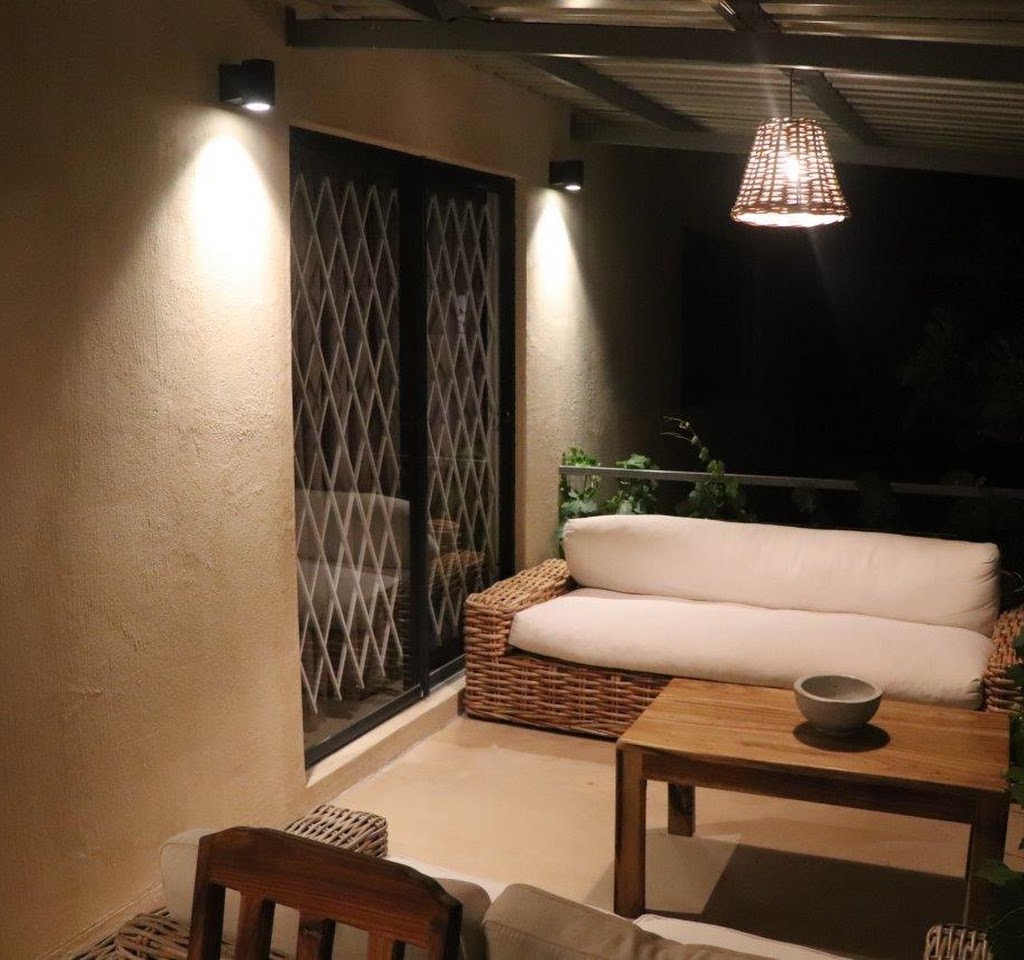
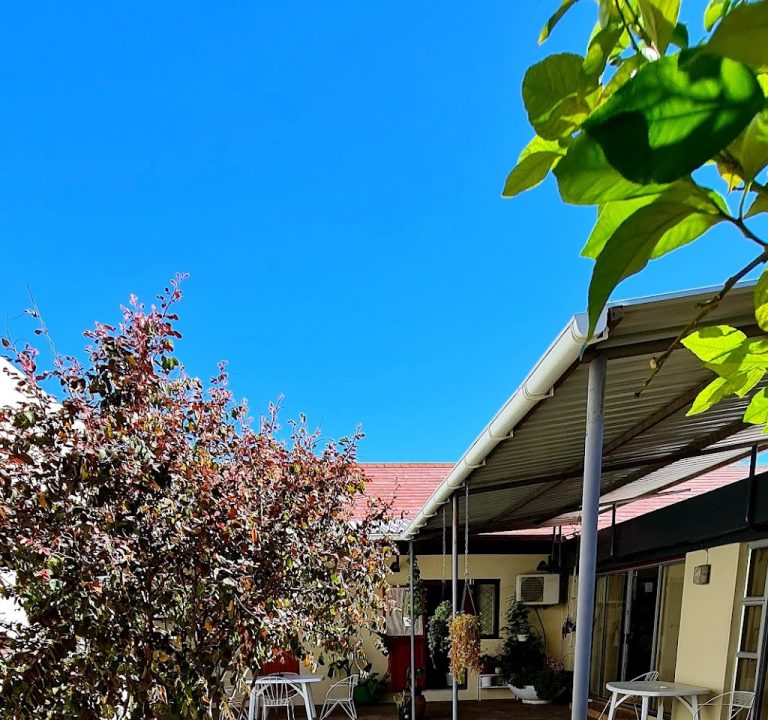
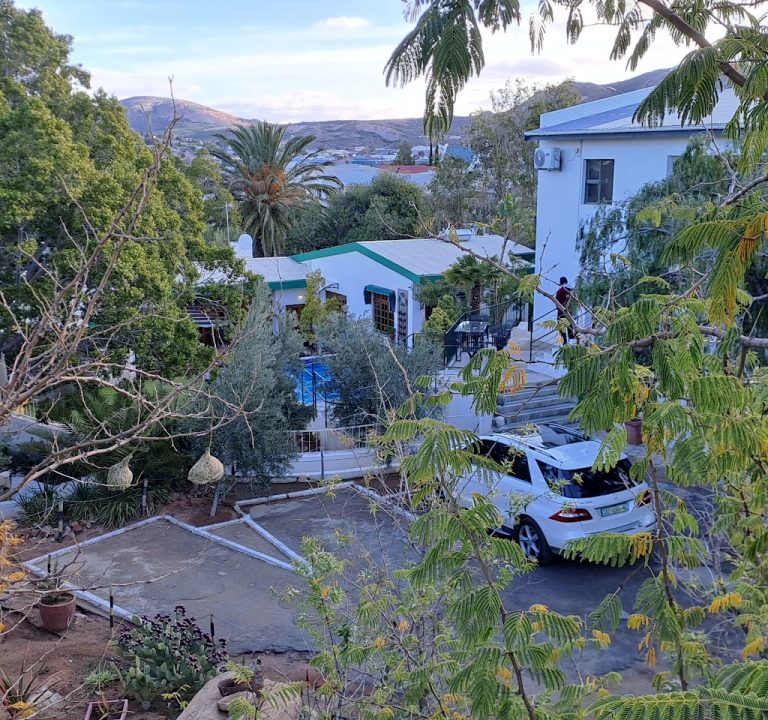
Self-catering stays, such as those offered by properties like du Repos, provide the most flexibility for longer visits or family groups. A self-catering option gives you the freedom to shop for local produce, cook in the evening, and base yourself near the activities you enjoy. Many Springbok properties are compact and well-equipped, featuring essential kitchen facilities, comfortable living spaces, and outdoor areas suitable for a quiet afternoon or an al fresco braai. If you are travelling with children or a tight schedule, a well-equipped kitchen, reliable Wi-Fi, parking, and security features are worth prioritising in advance.
Areas to consider within and around Springbok often revolve around proximity to the town centre, major routes, and viewpoints. Staying closer to the main streets makes it easy to walk to small shops, cafés, and markets, while a location a short drive from the town can offer quieter evenings and clearer night skies for stargazing. If you have a rental vehicle, you’ll benefit from easy access to the surrounding desert scenery, nature reserves, and short drives to nearby towns and cultural stops. When you book, confirm parking arrangements, accessibility for luggage, and whether the property has covered outdoor spaces for those balmy evenings.
Typical amenities to look for include secure parking, climate control (air conditioning or heating for seasonal changes), clean en-suite bathrooms, and practical kitchen facilities if you plan to self-cater. A little extra can go a long way: a well-stocked Information folder with local tips, walking routes, and restaurant recommendations; laundry facilities for longer stays; and a dependable ratio of hot water to shower time, particularly after a day of outdoor activities. If you’re visiting in peak heat, a shaded outdoor area or a pool can be a welcome bonus, even in a dry, desert-adjacent setting.
Transport in and around Springbok is most convenient with a car, giving you the freedom to explore the surrounding landscape at your own pace. Most accommodation options provide parking or easy street access, and some may offer shuttle services or guidance on car hire. If you are relying on public transport, it’s wise to check timetable reliability and plan for longer travel times between rural stops. The town’s layout means that a compact vehicle is typically more than adequate, with fuel stations and basic services within easy reach from central locations.
The best time to visit Springbok is driven by interests and weather. The region is part of a desert-adapted ecosystem, so summers can be very hot and dry, while winter nights drop in cool. Spring (August–September) is a favourite period for wildflower displays in the broader Namaqua area, when landscapes glow with colour after winter rains. Springtime also brings milder days for outdoor sightseeing, photography, and short hikes. For stargazers, the lack of light pollution in many surrounding areas offers outstanding night skies on clear evenings. Plan accordingly if you intend to combine nature walks with vehicle-led excursions to more remote viewpoints or reserves.
Attractions and experiences in and around Springbok are nature-forward and outdoor-minded, with opportunities to explore Namaqualand’s arid flora, rugged geology, and expansive horizons. Visitors commonly plan half-day or full-day trips to surrounding landscapes, with adaptable itineraries for photography, birdwatching, and landscape appreciation. While specific attractions and eateries may change over time, the surrounding region typically offers viewpoint drives, short hikes, and cultural stops that showcase local history and the striking environment without relying on heavily commercialised experiences. For meals, many travellers enjoy casual cafés and local eateries that offer hearty regional dishes; while exact names and menus vary, you can expect simple, well-sourced fare designed for travellers and outdoor enthusiasts.
Practical tips for a smooth stay:
- Pack layers: desert climates can swing from warm days to chilly nights.
- Cook or shop like a local: self-catering stays are convenient for longer visits and provide flexibility after day trips.
- Book in advance for peak flower season or busy weekends to secure preferred accommodation and parking.
- Check access to supplies: confirm nearby supermarkets, fuel, and pharmacy availability, especially if you plan longer trips into remote areas.
- Bring a reliable map or offline navigation, as some rural routes have intermittent mobile coverage.
When you’re ready to book, look for properties that clearly outline what is included in the stay, the policy on check-in and check-out, and the level of support offered by hosts or managers. Durham-bound travellers may appreciate properties that provide clear guidance on day trips, local dining options, and safe parking. Overall, Springbok offers a laid-back base for travellers who want to experience the stark beauty of the Northern Cape while enjoying comfortable, flexible accommodation that suits a range of itineraries. For further inspiration, you can explore regional tourism portals and general travel resources to plan your itinerary and identify seasonal highlights during your intended visit.