Napier, Western Cape: Where to Stay, What to Do, and How to Plan Your Visit
Nestled in the scenic Western Cape, Napier offers a slow-paced escape with a mix of country charm, rolling farmlands and a close‑knit community. Whether you’re after a cosy cottage, a modern guesthouse, or a boutique lodge, the town and its surrounding routes provide a friendly base for exploring the region, tasting local produce, and soaking up the peaceful rural atmosphere. Planning a stay in Napier means weighing accommodation style, location, transport links and the rhythm of everyday life in a small farming town.
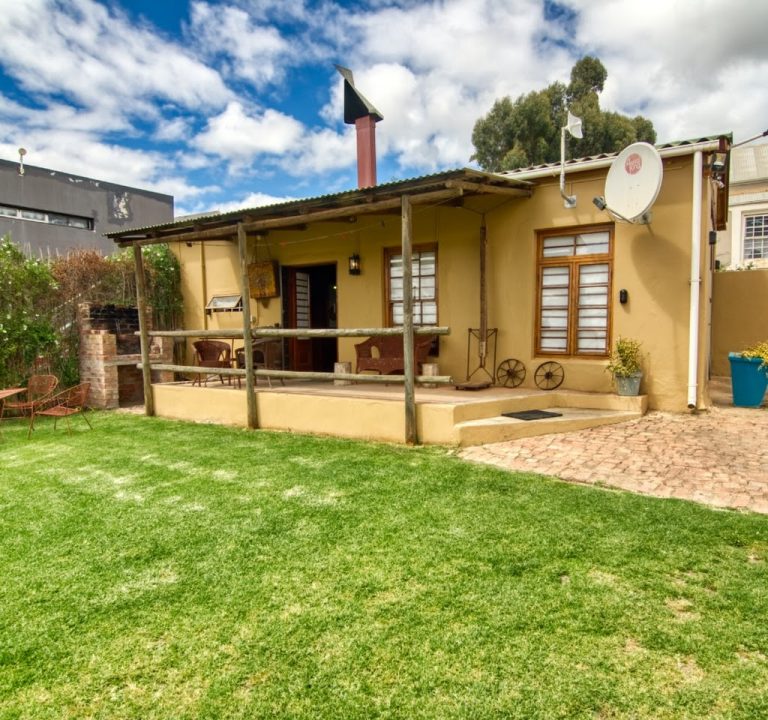
Accommodation options in Napier span guesthouses, self‑catering cottages, small hotels and enhanced farm stays. A well‑chosen base can place you within easy reach of local attractions, with enough comfort to unwind after a day of exploring. A notable option in the area is Driftwood & Gumtree Cottages, offering a home‑from‑home feel that can suit couples, families or small groups seeking a relaxed, authentic experience. When researching, think about whether you want private space, easy parking, self‑catering facilities, or guest‑house services such as breakfast options and daily housekeeping.
Areas to consider when planning your stay include:
- Centre of Napier: The township core is a convenient base for strolling to local eateries, markets and churches or historic landmarks. Staying near the heart of town keeps you near amenities, with short walks to cafés and shops.
- Outskirts and surrounding farms: A rural setting offers tranquillity and expansive views. Farm stays or cottages on the periphery can provide a longer stay feel, opportunities to chat with hosts, and access to scenic drives along surrounding valleys.
- Coastal or hillside routes nearby: If you’re after photogenic landscapes and peaceful nature, look for properties that provide easy access to country lanes, olive groves or viewpoints overlooking the Agulhas plain.
When booking, consider what matters most for your stay. Look for clear cancellation policies, responsive hosts, and transparent information about self‑catering facilities, laundry access, and parking. It’s also worth checking how bathrooms are configured (en-suite versus shared), whether the accommodation offers a kitchenette, and if there are outdoor spaces for sunbathing or al fresco dining. A helpful host will provide practical details about arrival, local transport options and a sense of the surrounding community.
Typical amenities across Napier’s lodgings include comfortable beds with quality linens, heating for cooler evenings, reliable hot water, and secure parking. Many properties offer Wi‑Fi, which is handy for planning day trips or contacting hosts. Self‑catering cottages commonly provide a well‑equipped kitchen, a living area, and outdoor spaces such as verandas or garden seating. For travellers seeking a more social atmosphere, guesthouses or small hotels may offer breakfast or on‑site dining options, as well as tips on local wineries, markets and events.
Transport in Napier is often easiest by car, which gives you flexibility to explore the surrounding countryside. If you’re not driving, check whether your accommodation can arrange or suggest local taxi services or ride‑sharing options. Note that some rural properties may be a short drive from the town centre, so it’s sensible to factor in travel time for day trips and meals out. If you plan to visit vineyards, farms or nature reserves, a car or organised tours will typically be the most convenient way to maximise the day.
The best time to visit Napier hinges on your preferences for weather and activities. Spring and autumn bring mild temperatures and quieter streets, ideal for walking and exploring without peak‑season crowds. Winters can be cooler and wetter, which may suit travellers who enjoy cosy evenings indoors or colour‑dodging landscapes after rain. Summers are generally warm and pleasant, with longer days for outdoor activities. Since Napier is a rural area, checking the local harvest calendar or market days can enhance your itinerary, with fresh produce and regional goods featuring prominently in local dining experiences.
Practical tips to help you plan a smooth visit:
- Book ahead in peak periods or during local events to secure the best choice of accommodation and room types.
- Ask hosts about nearby attractions, responsible hiking routes, and seasonal activities such as markets or farm tours.
- Decide between self‑catering, a B&B experience, or a hotel with on‑site meals, depending on how much you value convenience versus local immersion.
- Pack layers for variable weather and bring a lightweight rain jacket for sudden showers common in the Western Cape climate.
- Plan for some downtime—the appeal of Napier lies in its pace as well as its scenery, so leave space for slow mornings or afternoon strolls.
What to do and where to eat, in general terms, ranges from enjoying scenic drives and farm landscapes to sampling fresh regional produce at farmers’ markets and casual eateries. Look for experiences that highlight local flavours, such as fruit, olive oil, wine or cheese, and consider a short day trip to nearby towns or nature reserves for a broader sense of the region. When in Napier, expect a warm welcome, quiet streets, and a setting that invites you to slow down, observe the countryside, and return to base for a restful night. With thoughtful planning and the right base, your Napier stay can be a memorable blend of comfort, scenery and authentic South African rural hospitality.