Accommodation and Experiences in KwaMhlanga, Mpumalanga
KwaMhlanga sits within Mpumalanga’s tapestry of landscapes, offering a convenient base for travellers exploring the north-eastern corner of the province. When planning a stay, think about how you want to spend your time: if you’re focused on restful lodgings and simple comforts, you’ll want welcoming guesthouses and mid-range hotels with reliable amenities. If you’re hoping to combine a quiet retreat with easy access to nature and cultural experiences, a lodge or boutique property on the edge of town can provide both tranquillity and convenience. Peruse guest reviews and look for properties that clearly outline access to secure parking, on-site dining, and flexible check-in times, which can be particularly useful for longer stays or late arrivals.
Areas to consider
- Town centre or near major routes: A stay closer to KwaMhlanga’s heart makes quick trips for groceries, casual meals, and organising day trips straightforward.
- Outskirts or near natural surroundings: Properties with gardens or verandahs can be a restful base after a day’s outing, and some may offer guided walks or wildlife-focused experiences nearby.
- Family-friendly zones: Look for accommodations with family rooms, larger suites, or self-catering options if you’re travelling with children or a group.
What to look for when booking
Start with clear cancellation policies and transparent pricing. Check recent guest feedback for consistency around cleanliness, staff friendliness, and whether advertised facilities (Wi‑Fi, heating or air conditioning, secure parking, and kitchenettes) are reliably available. For longer visits, a property with a small kitchen or kitchenette can be very convenient. If you’re travelling in winter, confirm that heating is adequate; in the heat of Mpumalanga summers, reliable fan or air conditioning can be a make-or-break feature. It’s worth confirming policy on extra beds or cots if you’re travelling with children.
Amenities that often matter include on-site dining options or easy access to nearby eateries, clear information about the neighbourhood and local transport links, laundry facilities for longer stays, and a comfortable workspace if you need to combine work with travel. If you’re exploring nature or cultural attractions, proximity to reputable tour operators or experienced guides can save time and add value to your visit.
Typical accommodation types you’ll encounter
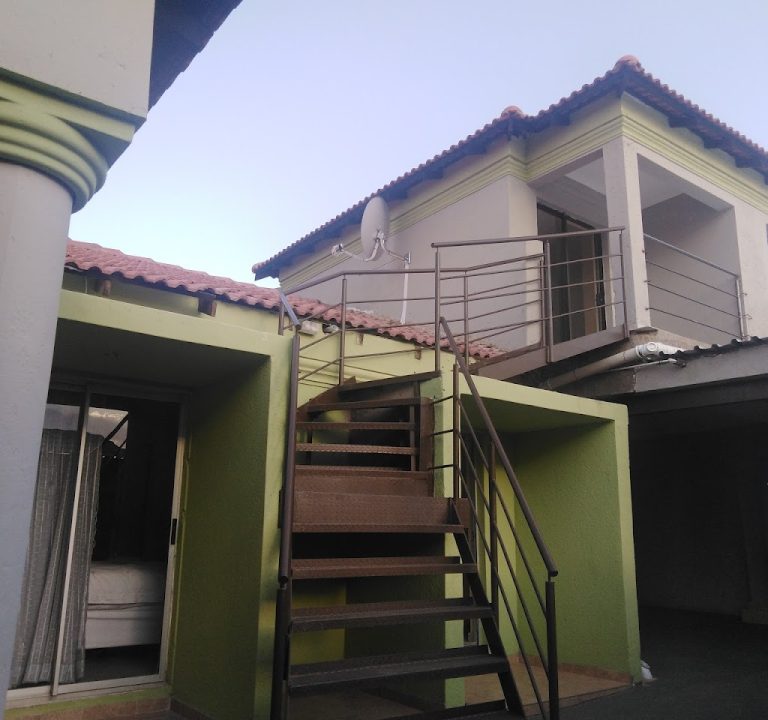
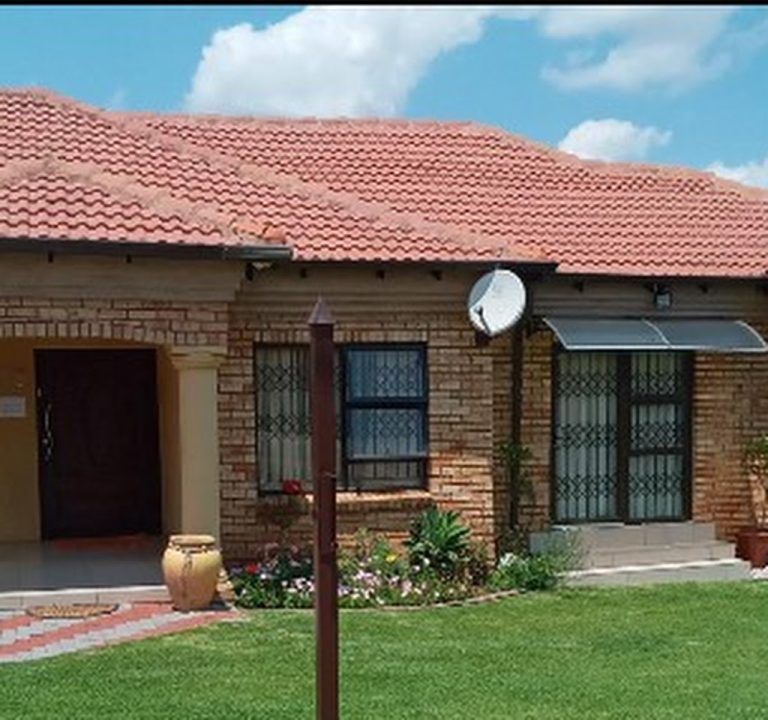
Guesthouses and B&Bs: Often the warmest and most personal option, with breakfast included in many rates.
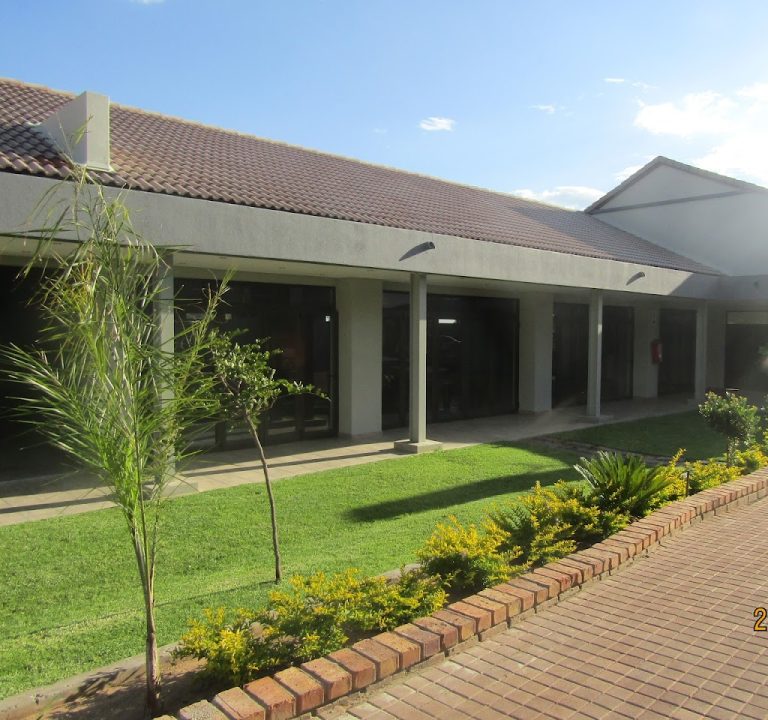
Hotels: Range from compact city-centre properties to larger, standardised options with predictable facilities.
Lodges and boutique lodgings: Usually chosen for tranquillity, character, and a stronger sense of place, sometimes with on-site activities or guided outings.
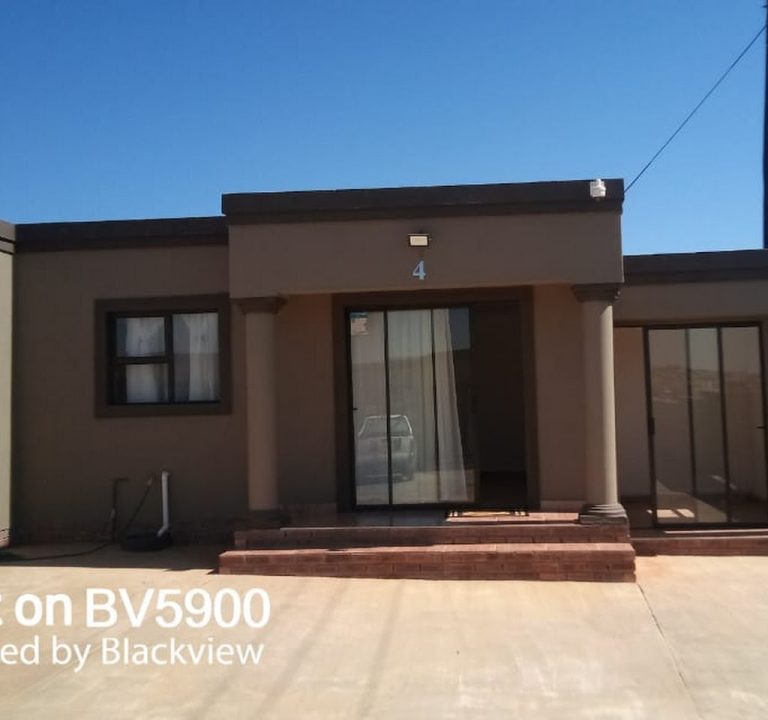
Self-catering units or apartments: Ideal for longer stays or groups wanting flexibility around meals.
Transport and access
South Africa’s road network makes KwaMhlanga reachable by car from major cities in Mpumalanga and Gauteng. If you’re flying, the nearest international gateways are in Johannesburg, from which you can hire a vehicle for the onward drive. Public transport within the region is more limited, so many visitors prefer a rental car or a booked transfer from the airport. When booking, confirm parking arrangements, whether there is 24-hour front desk staff, and if the property can arrange airport transfers or day trips to nearby attractions.
Best time to visit
Mpumalanga experiences warm summers and mild winters. The shoulder seasons—late spring and early autumn—often offer comfortable temperatures, lighter rainfall, and easier wildlife spotting in higher-traffic reserves nearby. If you love outdoor activities, plan for milder days and cooler evenings, and be prepared for occasional weather shifts when touring outside the town’s immediate area. Packing layers, sunscreen, and a light rain jacket will keep you comfortable throughout your stay.
Planning practical tips
Create a rough day-by-day plan that leaves room for spontaneous stops. Research nearby landscape routes, markets, and cultural experiences that can enrich your stay without long travel times. Consider booking a couple of guided options in advance—these can provide local insights and help you discover lesser-known viewpoints or heritage sites in the broader Mpumalanga region.
Dining and local flavour
KwaMhlanga’s dining options generally run the gamut from casual cafés to family-friendly eateries. If you prefer sampling regional tastes, look for places that offer traditional dishes alongside more contemporary, easy-to-please meals. Many guesthouses and lodges provide on-site dining or have partnerships with nearby venues, which can simplify meals after a day’s exploration. For a broader experience, you may wish to venture into nearby towns within Mpumalanga for a broader selection of restaurants and street-food favourites.
Attractions and experiences (general terms)
Within Mpumalanga, you’ll find natural landscapes, wildlife-viewing opportunities, cultural experiences, and scenic drives. In KwaMhlanga, as in the surrounding area, plan to spend time outdoors and to engage with local communities where possible. While specific sites and operators can vary over time, your stay can still be curated to include a mix of nature, heritage, and relaxed evenings. Always check current opening times and booking requirements, and follow local guidance regarding safety and conservation whenever you embark on day trips.
Useful links for planning your trip include regional tourism pages and local visitor information, which can provide up-to-date guidance on accommodation options, attractions, and practical travel tips. For general inspiration and practical planning, you might explore resources at https://www.sa-venues.com and regional information at https://www.mpumalanga.gov.za.