Exploring Nyangwini: accommodation and adventures in KwaZulu-Natal
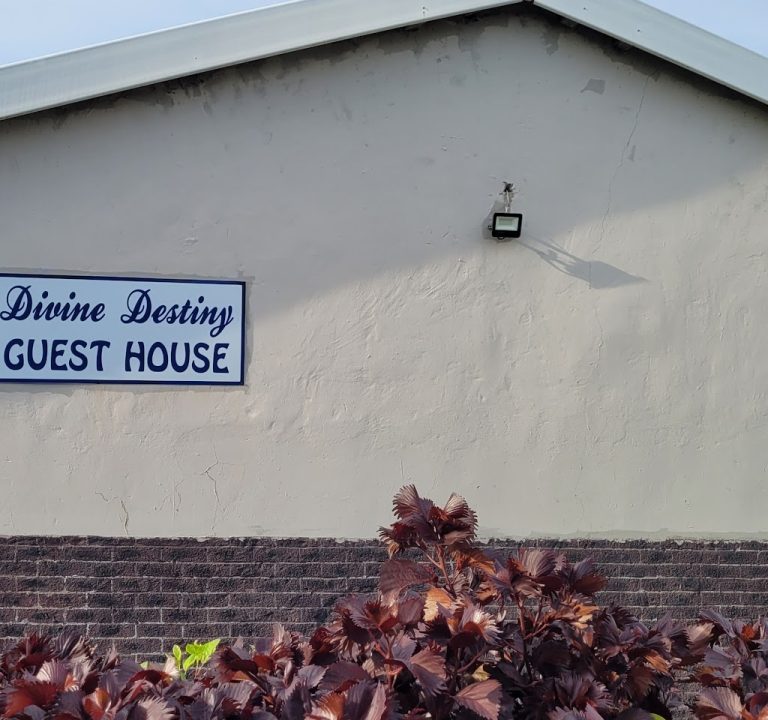
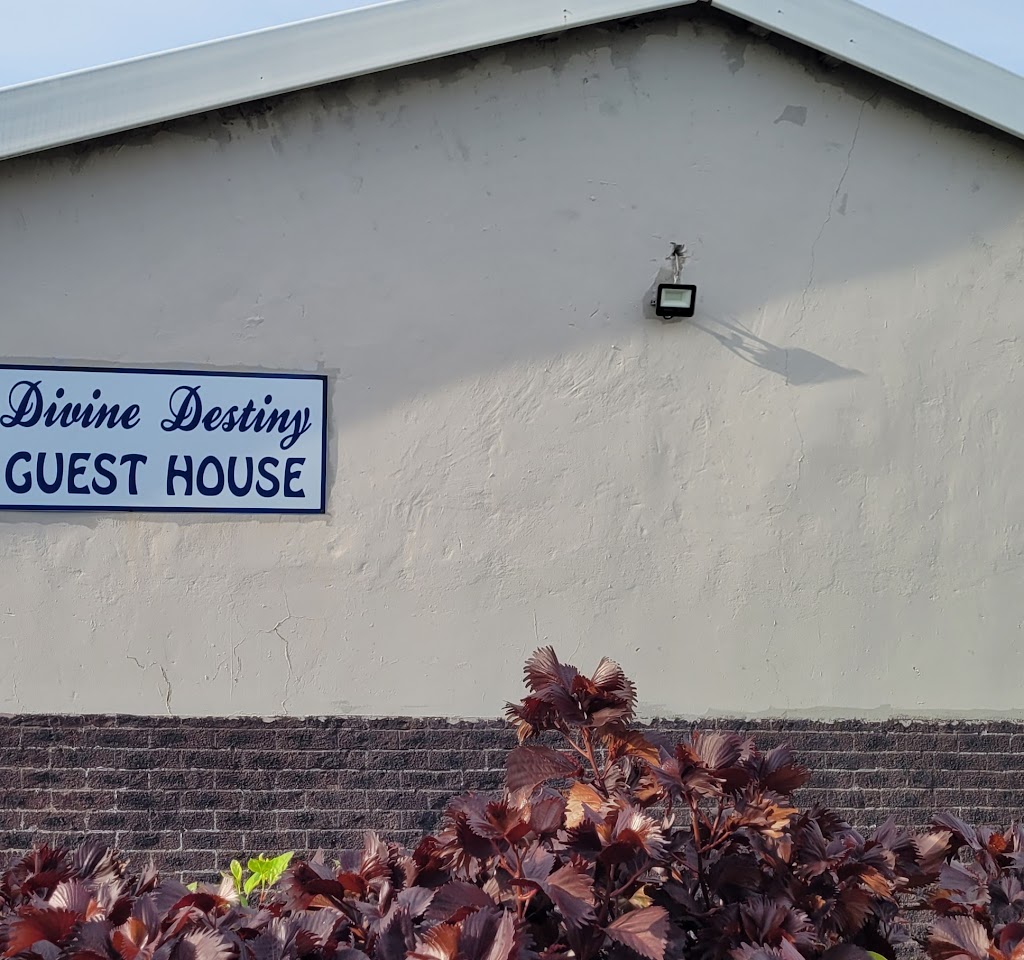
Nyangwini, tucked along the edge of KwaZulu-Natal’s coastline, offers a tranquil base from which to explore the wider region. When planning a stay, think about grouping your days by location to minimise long drives and maximise time near where you’re staying. The area has a mix of guesthouses, small hotels and self-catering options that cater to different budgets and travel styles, from intimate beachside escapes to more secluded country-style lodges. A well-chosen base such as Divine Destiny Guesthouse can set the tone for a relaxed escape, offering a comfortable home away from home and a convenient starting point for day trips.
Accommodation in Nyangwini typically prioritises comfort, clean spaces and easy access to the countryside and coast. Look for guesthouses or lodges that offer en-suite rooms, reliable hot water, good bedding, and a welcoming common area. Amenities that can enhance a stay include secure parking, a simple breakfast option, and practical information desks or hosts who can recommend local walks, markets and eateries. If you’re hoping to explore beyond Nyangwini, check whether the property can arrange guided walks, transfers or day trips to nearby beaches, nature reserves and cultural villages. For families or groups, family rooms, larger suites or self-catering units can provide flexibility and value.
When choosing where to stay, consider the location in relation to what you want to do. A sea-facing guesthouse or village-side lodge often puts you a short stroll from coastal paths and scenic viewpoints, while a rural property nearby can be ideal for sunrise walks and birdwatching. If you’re planning more active days, spacious communal areas, outdoor seating, and easy access to safe walking routes become important. For those seeking a quieter retreat, look for properties with private verandas or gardens where you can unwind after day trips.
Typical amenities to expect include clean daily housekeeping, Wi‑Fi, and practical conveniences such as fans or heaters depending on the season. In KwaZulu-Natal, climate can be warm in summer and cooler in winter evenings, so a property with flexible temperature control is handy. Additional touches that elevate a stay might include a guest kitchen or continental breakfast, a small library or information corner with maps, and hosts who can share local recipes or cultural insights. If you have mobility considerations, verify accessibility details in advance and ask about on-site parking or proximity to level paths.
Transport in and around Nyangwini is practical but may require a little planning. Self-driving offers the most flexibility to visit beaches, coastal lookouts and inland attractions at your own pace. If you prefer not to drive, check whether your accommodation can arrange a transfer service or recommend trusted local drivers. Public transport in rural KwaZulu-Natal can be limited, so budgeting a little time for travel between activities is wise. For day trips, mapping out a sensible route that clusters nearby sights will help you avoid backtracking and maximise your time outdoors.
The best time to visit Nyangwini and the surrounding coast depends on your preferences. Summer (roughly November to March) brings warm days ideal for beach outings and outdoor markets, but occasional tropical showers can occur. Autumn and spring offer milder temperatures for long walks and scenic drives, with the added advantage of quieter beaches. Winter is cooler and drier, making it suitable for comfortable sightseeing and cosy evenings in a guesthouse with a fireplace or warm surrounds. If you’re aiming to combine nature and culture, align your dates with local community events or markets, which can enrich your stay without requiring a strict itinerary.
Eating out in the area ranges from casual cafe-style venues to more substantial fare at guesthouse restaurants or nearby restaurants in the region. When planning meals, consider making the most of breakfast options at your accommodation and exploring local eateries for lunches and dinners. You don’t need to book far in advance unless you’re travelling during peak holiday periods; for popular spots, a quick call or a note to your hosts can secure a table or suggest alternatives. If you’re self-catering, a well-equipped kitchen and nearby fresh markets or farm stalls can provide excellent ingredients for relaxed meals on your veranda or in a shaded garden.
To help you plan, here is a simple checklist for Nyangwini stays:
- Confirm accessibility and parking for your vehicle
- Ask hosts about recommended day trips and safe coastal routes
- Check climate expectations and pack layers for cooler evenings
- Plan a mix of nature walks, beach time and cultural experiences
- Note nearby markets or eateries and any seasonal closures
For inspiration and planning, you can explore general guides or tourist sites that cover KwaZulu-Natal’s coast and inland landscapes. While staying in Nyangwini, allow time for spontaneous discoveries—a local viewpoint, a harbour-side breeze, or a small craft stall can become memorable highlights of your visit. A well-chosen base, thoughtful packing, and a relaxed plan will help you enjoy the region’s natural beauty, friendly hospitality and the laid‑back pace that characterised KwaZulu-Natal’s coastal towns for generations. For more ideas on accommodation and travel in the area, you can visit reputable travel websites or regional tourism pages linked through your chosen stay.