Durban: Where to stay, what to do, and how to plan a reader-friendly visit
Durban in KwaZulu-Natal offers a warm, vibrant base from which to explore a coastline of beaches, mountains and cultural sights. When planning a stay, many visitors weigh a mix of budget hostels, mid-range guesthouses and stylish hotels, often choosing accommodation by neighbourhood: the lively beachfront precinct, the leafy inner suburbs, or the up-and-coming bayside areas. Durban’s climate is subtropical, so you can expect warm seas and sunny days for much of the year, with more rain in the summer months. Planning ahead for the season you’re visiting helps you choose the right area and book rooms with the amenities that matter most to you.
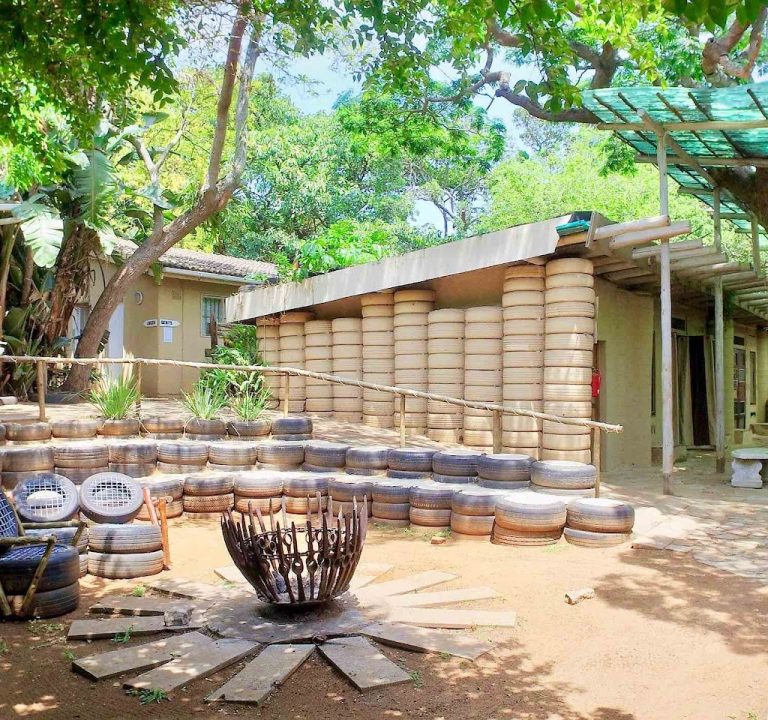
Budget travellers are well looked after in Durban, with a range of social hostels that prioritise clean spaces, friendly staff and easy access to key sights. For example, there are pocket-friendly options that cater to solo explorers and groups alike, often offering communal kitchens, common rooms and organised activities or walking tours. When researching a hostel, look for secure access, helpful front desk teams, free or affordable breakfast, reliable Wi‑Fi, and lockers or safes for your belongings. Proximity to public transport hubs or major bus routes can save time and money, so check maps and traveller reviews for estimated walking times to the beach, markets or eateries. A reliable website link is often provided by the property for current rates and policies.
If you prefer a touch more privacy or a longer stay, Durban also has welcoming guesthouses and boutique hotels tucked into leafy streets or perched near the coast. These properties typically advertise a sense of local character, with quieter sleeping areas and practical amenities such as en-suite bathrooms, air conditioning or fans, and self-catering or breakfast options. When choosing a guesthouse or hotel, weigh the room size against your plans for evenings out: you may want a larger room if you intend to relax after day trips, or a smaller, easier-to-maintain space if you’ll be out exploring until late.
Neighbourhoods to consider include:
- Central and beachfront zones for easy sea access, promenade walks and nightlife feel.
- The Berea and upper Morningside areas for a calmer, residential vibe with proximity to cafés and shops.
- Umhlanga and the northern coastline for upscale developments, modern conveniences and sea views.
- South Beach and surrounding quarters for easy access to markets, cultural spots and riverfront attractions.
Typical facilities worth noting include secure parking or easy street access, 24-hour reception, air conditioning or fans for Durban’s heat, clean linen and towels, and clear information about nearby dining and transport options. Many properties offer complimentary Wi‑Fi, self-catering kitchens, laundry facilities, and social spaces where travellers can swap tips and plan day trips. If you’re staying longer, a kitchenette or fridge can save both time and money, while a good concierge or digital guide on reception can help you tailor your itinerary to weather and crowd conditions.
Transport is usually straightforward, with Uber, other ride-hailing services, and local taxis readily available. If you plan to explore beyond the coast, you may wish to hire a car or join guided day tours to inland landscapes or nearby reserves. Durban’s public transport is expanding, but some corridors can be concentrated around the coast, so mapping routes in advance is wise. When travelling to the airport or long-distance hubs, check latest schedules and allow extra time during peak periods or school holidays.
The best time to visit Durban depends on what you want from your trip. For beach days and outdoor activities, late spring to early autumn (roughly September to April) offers warmer seas and longer daylight. If you’d prefer fewer crowds, late autumn and winter periods (April to August) can still be pleasant with sunny days and calm evenings, though sea temperatures are cooler. Coastal rain is more common in the summer months, so packing a light rain jacket can be useful. Check local event calendars for markets, live music and culture fairs that can add memorable experiences to a stay without a hefty price tag.
Practical tips for planning a Durban stay:
- Book accommodation with straightforward access to beaches or major streets, depending on your priorities.
- Assess the neighbourhood vibe: some areas are buzzing at night, others are quieter and more residential.
- Look for flexible cancellation policies and clear house rules, especially if your plans might change.
- Check what’s included in your rate (breakfast, parking, kitchen access) to estimate daily costs.
- Ask about recommended local eateries, markets and cultural experiences to avoid long daily commutes.
Attractions and experiences in Durban are easy to tailor to a range of interests. You can expect a coastal mix of beaches, promenades, cultural centres, and nature trails, with opportunities to explore the Indian Ocean shoreline, urban markets and inland valleys. Dining tends to reflect the city’s multicultural heritage, with casual seaside cafés, modern bistros and traditional South African fare coexisting alongside international options. When choosing restaurants or experiences, rely on current, locally sourced information and guest reviews rather than promotional materials alone.
For travellers seeking a budget-friendly base with a straightforward website option, Durban offers several practical choices. A well-known hostel offering homely dorms and private rooms, along with shared facilities, can be a convenient starting point for exploring the city. For more details and booking possibilities, you can visit the property’s dedicated site through its main listing. This can provide essential information such as location, room types and general policies to help you plan ahead. Example links for planning purposes often guide you to current availability and contact points, while keeping personal contact details private.
Durban is a destination that rewards thoughtful planning and a flexible itinerary. With a mix of approachable accommodation, easy transport options and a broad range of activities, visitors can shape a stay that blends beach days, cultural discoveries and neighbourhood exploration into an enjoyable, memorable trip. For more information or planning inspiration, you may wish to consult specific accommodation profiles and their online guides, and to explore the city’s welcoming hospitality offerings from budget to boutique.