Seabe, Mpumalanga: where to stay and what to do
Seabe in Mpumalanga offers a laid‑back base from which travellers can explore the surrounding landscapes, wildlife reserves and quintessential South African countryside. When planning a stay, consider staying in a guest house, lodge or small hotel that blends comfort with a sense of place. Seabe and its neighbouring areas are well served by scenic drives, easy access to nature activities and friendly local hospitality, making it a practical choice for short breaks or longer getaways.
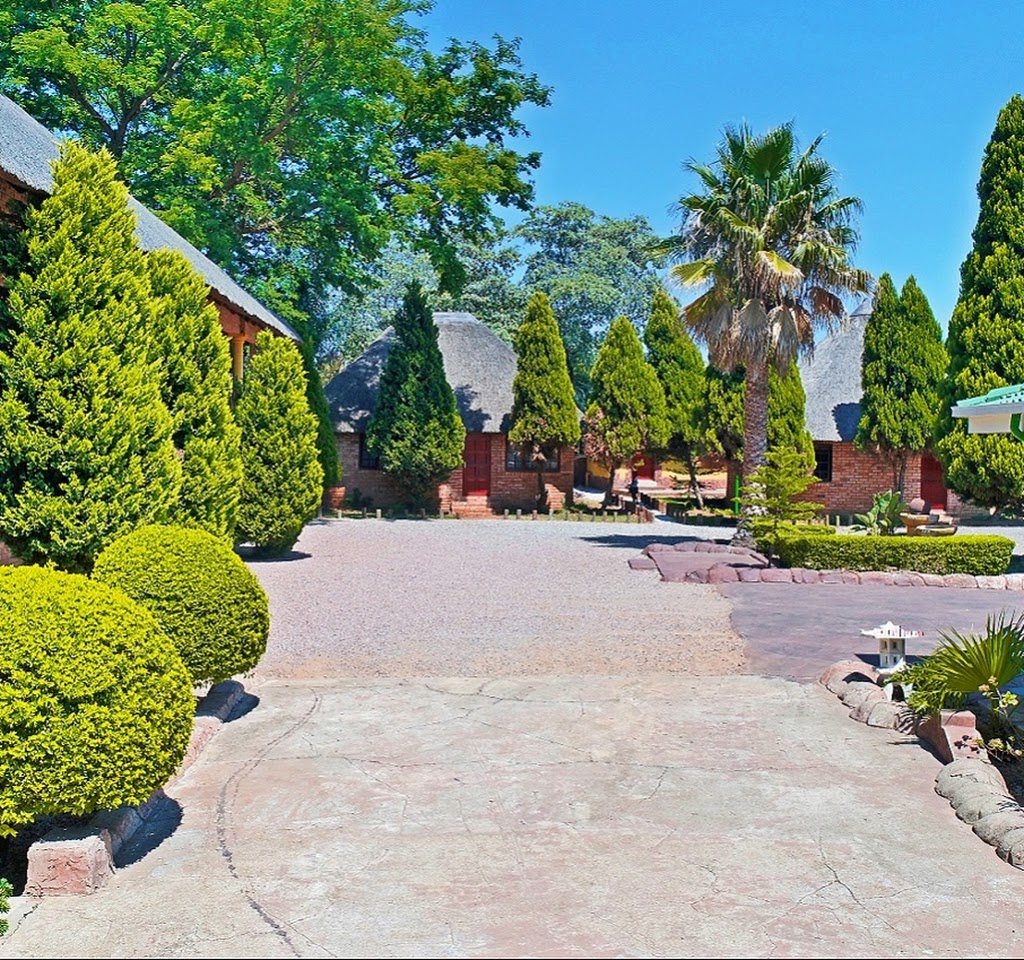
Accommodation options in Seabe range from traditional guest houses to rustic lodges and modern B&Bs. A guest house like Dikolobe Guest House, if you are seeking a home‑from‑home atmosphere, can offer personalised service, comfortable rooms and breakfast options that help you start the day right. When choosing where to stay, look for rooms that feel restful after a day outdoors, with essentials such as private bathrooms, adequate heating or cooling, reliable Wi‑Fi, and parking. Many properties in the region also provide shaded outdoor spaces, a communal lounge or dining area, and on‑site or nearby dining options that reflect local flavours.
Think about which area will best suit your itinerary. Seabe itself benefits from proximity to rural scenery and easy access to country lanes and nature reserves, while staying closer to town can be convenient for eateries and shops. If you are planning day trips to nature trails or waterfalls, ensure your base offers straightforward routes and safe, well‑maintained roads. For those who prefer a calm, rural mood, a guest house on the outskirts may provide more tranquillity, while those who want to be near cafés and a handful of restaurants might choose a more central option.
Typical amenities to look for include a comfortable bed with quality linens, en‑suite bathrooms, hot water and reliable heating or air‑conditioning, depending on the season. A well‑equipped kitchen or breakfast service is a bonus, as is a communal terrace or garden where guests can relax after a day of exploration. If you rely on transport within the region, confirm parking arrangements and whether the property can assist with organising transfers or guided excursions. Some properties may offer cycle hire or have partnerships with local operators for guided walks and nature drives, which can be convenient when you want to maximise your time outdoors.
Transport in and around Seabe is typically road‑based, so a car or organised tour can be the most practical option. If you are not driving, check whether the accommodation can arrange airport transfers or shuttle services from nearby towns. In several parts of Mpumalanga, motorist access to attractions is straightforward, but rural roads can be uneven in places, so packing a basic repair kit and a spare water bottle for hot days is sensible. Note that public transport options may be limited, so advance planning for activities or day trips usually pays off.
Best time to visit Mpumalanga tends to be influenced by weather and daylight hours. Spring and autumn offer pleasant temperatures for outdoor activities and scenic drives, while summer can bring lush landscapes and occasional rain showers that bring dramatic skies. Winter in this region is generally mild, but cool evenings mean layering your clothing is wise. If your plan includes outdoor pursuits such as hiking or visiting viewpoints, aim for periods with longer daylight and comfortable temperatures, and always check local advisories for weather or fire season updates.
Planning practicalities can help you make the most of your stay. Booking in advance is advisable, particularly during peak travel periods and holidays. When you book, consider distance to places you want to visit, such as nature reserves, viewpoints, or any town centre amenities, and balance convenience with the atmosphere you prefer. If you’re a foodie, choose accommodation that offers breakfast or has easy access to nearby eateries where you can sample regional fare in a relaxed setting. If you prefer self‑catering, look for guest houses with kitchen facilities or the option to dine nearby, and check if the property offers shared kitchens or picnic areas.
Within Seabe and its surroundings, attractions are typically nature‑led rather than large‑scale theme parks. Expect opportunities for scenic drives, viewpoints over countryside, forest walks and the chance to encounter birds and other wildlife in tranquil settings. Dining in the area tends to reflect regional flavours—fresh produce, hearty regional dishes and a welcoming atmosphere—whether you choose a casual café, a homely bistro, or a more formal restaurant. For visitors seeking authentic experiences, consider local hosts or guides who can share insights into the landscape, culture and history of the region in a relaxed, informative way.
Practical tips for travellers to Seabe include packing layered clothing for variable temperatures, comfortable walking shoes for outdoor trails, a charged phone with offline maps, and a reusable water bottle for day trips. Bring along sun protection for daytime activities and a light rain jacket during transitional seasons. It is worth having a small cash reserve for markets or cafés that may not accept cards, though many places now take cards and mobile payments. Finally, embrace a slower pace: with beautiful scenery and friendly local hosts, taking time to observe, pause and enjoy the countryside often yields the most memorable experiences.
- Choose accommodation with clear parking information, and confirm whether the property can assist with transfers or guided activities.
- Assess proximity to desired attractions and the practicality of day trips from your base.
- Book early during peak periods and consider a balance between central convenience and rural tranquillity.