Staying in Swellendam: accommodation, attractions and practical planning tips
Swellendam, nestled at the foothills of the Langeberg, offers a charming blend of historical architecture, natural beauty and warm hospitality. A well-chosen stay can be the foundation for exploring one of the Western Cape’s most picturesque towns, whether you are seeking a cosy guesthouse, a family-friendly boutique option, or a tranquil base near nature reserves. The town centre, with its 18th‑ and 19th‑century buildings, is ideal for guests who want to be within easy reach of shops, cafés and city‑style comforts, while outlying districts provide quicker access to hiking trails, farms and scenic viewpoints. A stay in Swellendam can be relaxed and slow-paced, or active and adventurous, depending on your itinerary and choice of lodging.
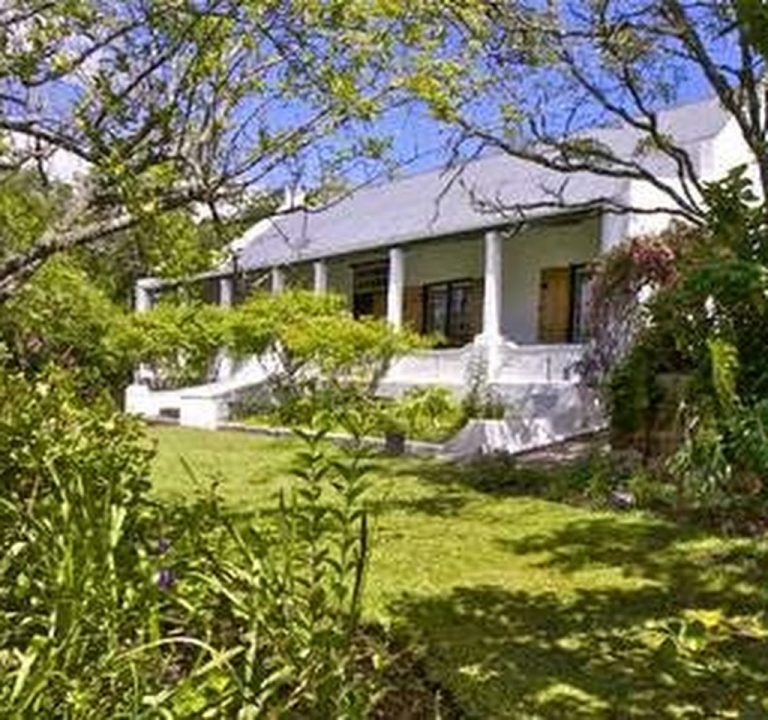
Accommodation options in Swellendam range from historic guesthouses housed in heritage properties to modern country inns and peaceful B&Bs. A well‑known example is Die Tuishuise Swellendam, a guest house that embodies the period character of the town while offering contemporary comforts. When selecting where to stay, look for properties that reflect the town’s traditional charm as well as practical conveniences such as reliable wifi, adequate parking, and clear cancellation policies. If you are planning a longer visit, a multi‑night stay in a central location can save time and reduce transport needs, allowing you to savour morning markets, local cafés and late‑afternoon strolls along tree‑lined streets.
Key areas to consider when planning your stay include:
- Town centre and historic core: Close to cafés, galleries, and the visitor information centre. The convenience of walking to several attractions is a big plus for shorter visits.
- Outskirts and countryside routes: Quieter evenings and quicker access to nature trails, farms and viewpoints. A rural setting can be ideal for guests who prefer a peaceful backdrop and a sense of immersion in the winelands and surrounding farmland.
- Proximity to attractions: If your itinerary includes Bontebok National Park, Marloth Nature Reserve or other protected areas, choose a location that offers straightforward routes to these sites, with clear directions for day trips.
Typical amenities to look for include comfortable bedding, en‑suite bathrooms, reliable hot water, a well‑equipped kitchenette or self‑catering option if you plan to cook, and a welcoming common area or garden. Many travellers value a guesthouse or boutique hotel that provides generous breakfast options, secure parking, and thoughtful touches such as home‑made treats or relaxed lounge spaces. If you travel with children or pets, verify family‑friendly policies and any pet‑friendly restrictions in advance. In a town famous for its friendly hospitality, hosts who offer local tips, maps and personalised recommendations can greatly enhance your stay.
Transport and getting around Swellendam is straightforward, but planning ahead makes a difference. If you arrive by road, your car becomes a useful companion for day trips to nearby landscapes, farms and viewpoints. For visitors without a car, check whether your accommodation offers shuttle services or partner with local operators who run day tours or transfers to key sites. The town is compact enough for easy exploration on foot or by bicycle, particularly within the central precinct; however, some scenic destinations lie beyond a comfortable walk, so consider private or shared transport options for longer day trips.
The best time to visit Swellendam depends on your preferences. Spring and autumn bring mild temperatures and pleasant colours for walking and outdoor dining. Summer days are longer and ideal for outdoor markets and al-fresco meals, but can be busier with visitors exploring the Western Cape. Winter brings cooler evenings and a quieter, more reflective atmosphere, suitable for guests who enjoy cosy interiors and a slower pace. If you are a wine‑enthusiast, plan a visit to nearby vineyards and estates in the surrounding winelands, allowing time to combine tastings with scenic drives and opportunities to learn about the region’s agricultural heritage.
What to plan for in advance and what to ask hosts about when you book:
- Cancellation policy and payment terms, including any deposits required to secure a booking.
- House rules that may affect your stay, such as quiet hours, guest capacity, or shared spaces.
- Parking arrangements and access times for late arrivals or early departures.
- Access to essential amenities in the room or cottage, including heating, hot water supply, and kitchen access if you plan to self‑cater.
- Recommended local attractions, seasonal happenings, and practical tips for traffic, road conditions or safety in the area.
When it comes to attractions and dining, you can anticipate a blend of nature, heritage and contemporary South African hospitality. Expect scenic drives that reveal the town’s red‑brick façades, markets that offer local crafts and foods, and outdoor trails that showcase the region’s biodiversity. For meals, many accommodation providers in Swellendam partner with nearby eateries that specialise in seasonal ingredients and regional produce, offering relaxed dining experiences in countryside settings or stylish bistros with a warm, local ambiance. While it is useful to have a plan, allow for spontaneity: a café with a terrace in the sun, a small gallery with a friendly proprietor, or a daytime walk through a historic street can be as memorable as a major landmark.
In sum, Swellendam rewards travellers who balance a well‑chosen base with deliberate day‑plan choices. A stay that aligns with your preferred pace—whether you seek heritage chic in the town core or quiet countryside proximity to nature—will enrich your understanding of the Western Cape’s broader appeal. To get the most from your visit, book thoughtfully, travel with flexibility, and allow time to savour the town’s distinctive atmosphere, its hospitality, and the surrounding landscape.