Exploring Robertson: Where to stay and what to do in the Western Cape
Robertson, nestled in the Breede River Valley of the Western Cape, offers a relaxed blend of vineyard scenery, citrus groves and mountain scenery. It is a workable base for those seeking a slower pace while still being within reach of Cape Town, the coastal towns, and the wider Route 62 corridor. When planning a stay, consider the character of the neighbourhood, the type of accommodation that suits you, and how you’d like to explore the surrounding wine lands, orchards and nature reserves.
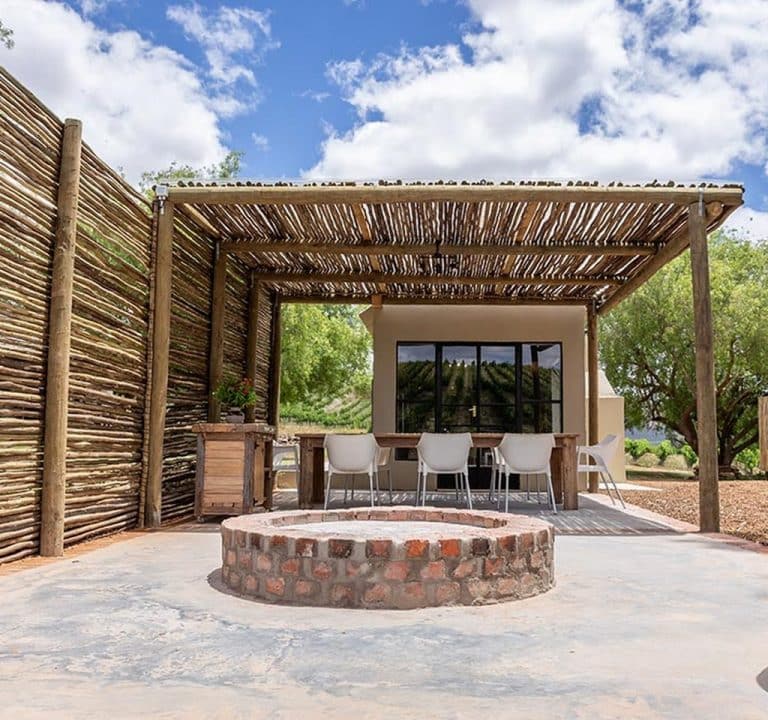
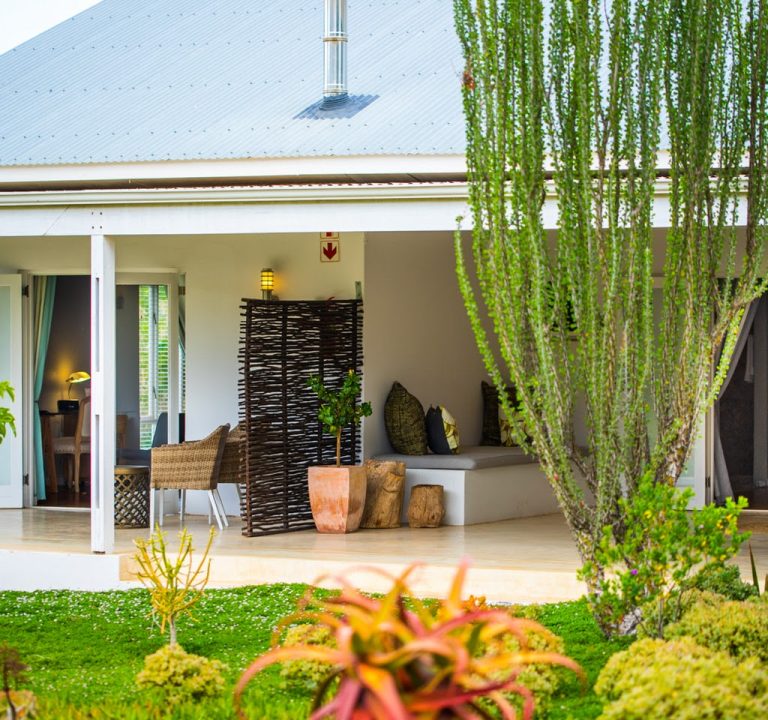
Accommodation in Robertson ranges from charming guest houses and self-catering options to boutique hotels and country lodges. If you’re seeking a home-from-home experience, look for properties that emphasise warm hospitality, well-equipped kitchens or kitchenettes, and comfortable communal spaces. For a night or two of pampering, a boutique hotel or country lodge with on-site dining and spa facilities can be ideal. For families or groups, a self-catering or guest house with private entrances and ample living space is often the most practical choice. Die Kraaltjie Self Catering Accommodation, for example, represents the type of option many visitors find convenient: a self-contained unit in a tranquil setting that allows you to enjoy local surroundings at your own pace. You can find more information about such properties online, and many offer direct booking or partner with regional platforms.
Areas to consider when choosing where to stay:
- Centre of Robertson: convenient for strolls to market squares, cafés and wineries, with a village vibe and easy access to local eateries.
- Riebeek Valley and surrounding orchards: a quieter rural feel, often with scenic farmland views and farm-to-table dining experiences nearby.
- Wine and olive routes just outside the town: ideal for guests who want day trips with wine tastings and scenic drives.
What to look for when booking:
- Self-catering facilities or kitchen access if you value flexibility for breakfasts or light meals.
- On-site parking, guest lounge spaces, and outdoor areas such as verandas or gardens for relaxation after day trips.
- Availability of guest favourites such as reliable Wi‑Fi, quiet rooms for rest, and pet-friendly options if you travel with a four-legged companion.
- Proximity to to the town centre, wine estates, and nature trails to reduce travel time and maximise your time outdoors.
- Clear cancellation policies and transparent pricing to avoid unexpected charges during peak seasons.
Typical amenities you might encounter in Robertson properties include free parking, ensuite bathrooms, well-equipped kitchens or kitchenettes, heating or air conditioning, and generous outdoor spaces. Properties within vineyard corridors or farm settings may offer seasonal fruit and wine-tasting experiences, outdoor seating on verandas, and slow-paced activity options such as walking trails or birdwatching corners. If you plan to visit during harvest or peak tourist periods, book well in advance to secure preferred dates and room types.
Getting around Robertson is straightforward, though a car is highly recommended. The town itself is compact, but the surrounding countryside is best explored by road, with many estates and viewpoints a short drive away. If you prefer not to drive, check if your accommodation can arrange shuttle services or guided day trips to nearby wine farms, nature reserves, and scenic lookouts. When planning your itinerary, balance winery visits with downtime in your base accommodation so you can unwind after travelling and sightseeing.
The best time to visit Robertson tends to be in the spring (September to November) and autumn (March to May), when temperatures are mild and landscapes are vibrant. Summer visits are popular for vineyard and river activities, but can be busier, while winter offers cooler days that are well-suited to indoor tastings, cosy meals and fireside chats in guest lounges or farmhouses. Regardless of the season, local markets, seasonal produce, and regional dining venues provide opportunities to sample the area’s culinary offerings without needing a long day of travel.
Practical planning tips:
- Pack layers to adapt to varying temperatures between day and night, especially in higher valley elevations.
- Carry comfortable walking shoes for gentle trails and town strolls; many venues welcome foot traffic and offer wrought-iron balconies or courtyards for relaxed visits.
- Plan a balanced itinerary that includes both vineyard visits and downtime at your accommodation to enjoy the surroundings fully.
- Check for family-friendly or adult-only options if that suits your group or couple’s trip.
- Book directly with the property where possible, and use reputable booking platforms for stays during peak seasons.
Attractions and experiences are often wine-driven, with many estates offering guided tastings, cellar tours, and seasonal events alongside restaurant offerings that emphasise regional produce. Outside of the vineyards, Robertson is set against a backdrop of rivers, plains and mountains, offering nature walks, farmland views and a slower pace that makes it easy to unwind. For dining, many local venues highlight fresh produce, with menus that celebrate the valley’s harvest and farm-to-table philosophies. If you’re looking for more concrete options, search for local tasting rooms, markets and eateries that showcase the region’s produce, open spaces and hospitality.
For those beginning to plan a Robertson escape, a sample stay could centre on a comfortable guest house or self-catering base with a few day trips to nearby estates, a gentle hike or a riverside picnic, and some time to explore local cafés and markets. A well-chosen base can turn a quiet valley into a convenient, satisfying base from which to discover the Western Cape’s wine country at a relaxed pace. To learn more about specific properties and booking options, including Die Kraaltjie Self Catering Accommodation, visit their website. https://die-kraaltjie-self-catering-accomodation.business.site/