Knysna: A Traveller’s Guide to Accommodation, Attractions and Getting Around
Knysna, perched on the edge of the Western Cape’s famous Garden Route, offers a charming mix of coastal scenery, lush forests and a relaxed town atmosphere. When planning a stay, it helps to think about the different areas, the pace you want, and the activities you hope to enjoy. From tranquil lagoons to vibrant waterfronts, there is a range of self-catering options, guesthouses and lodges to suit diverse budgets and travel styles.
Accommodation in Knysna and nearby precincts
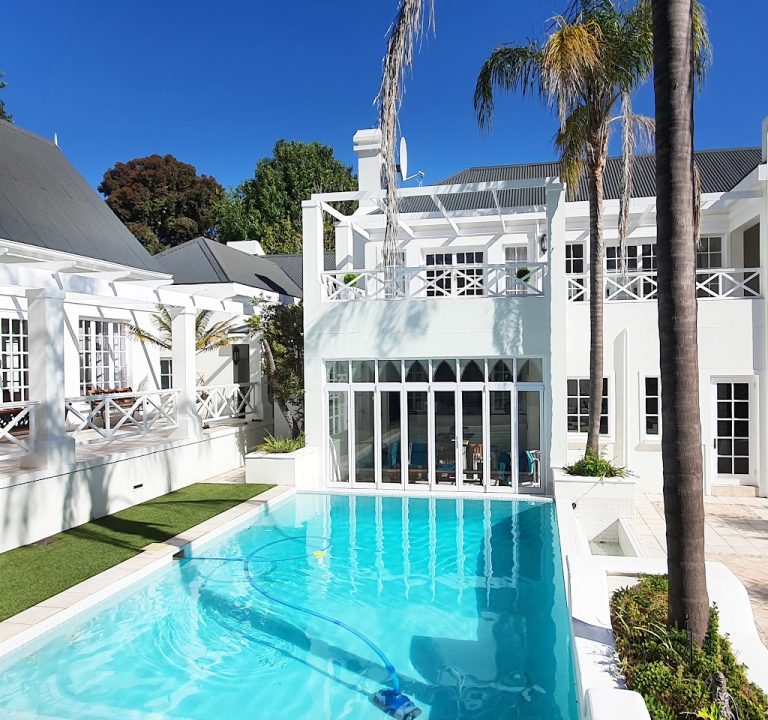
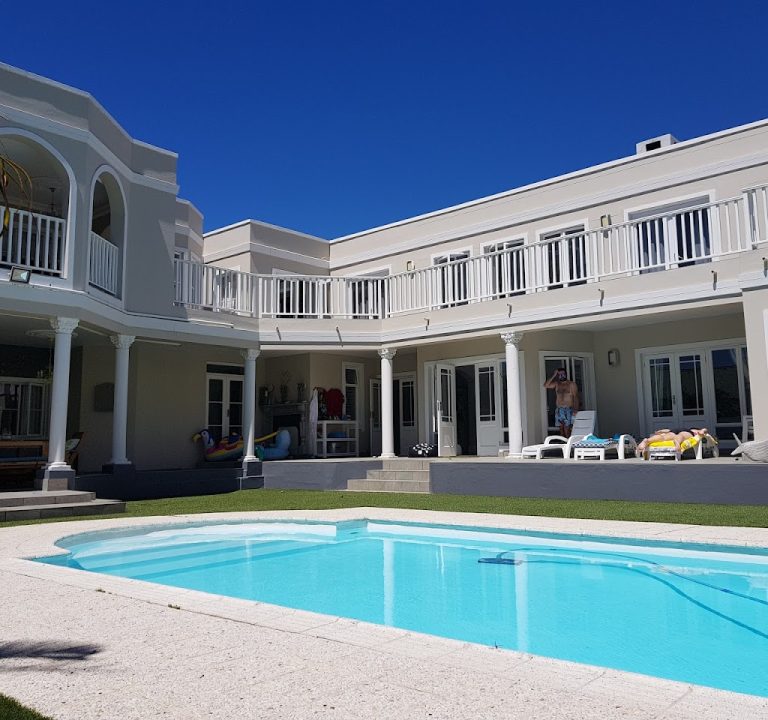
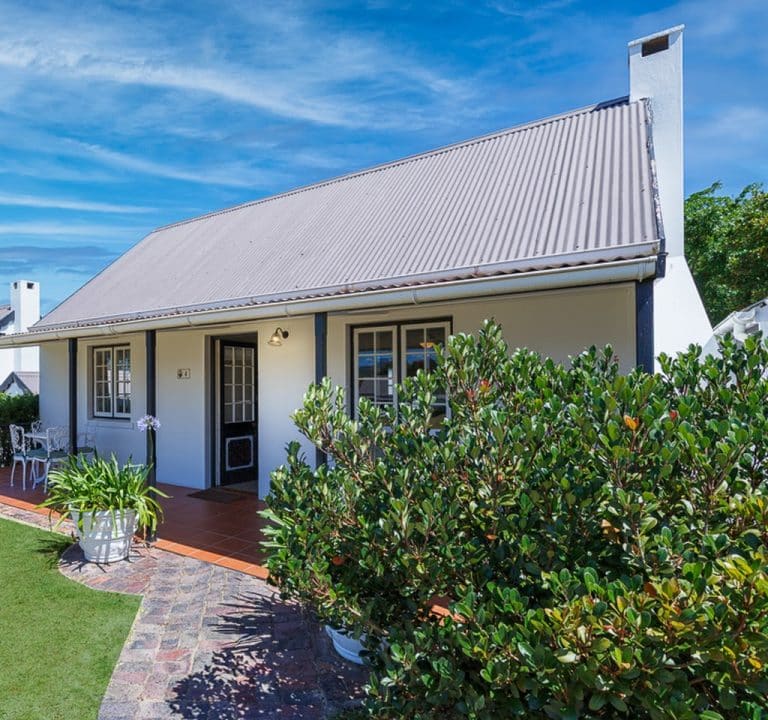
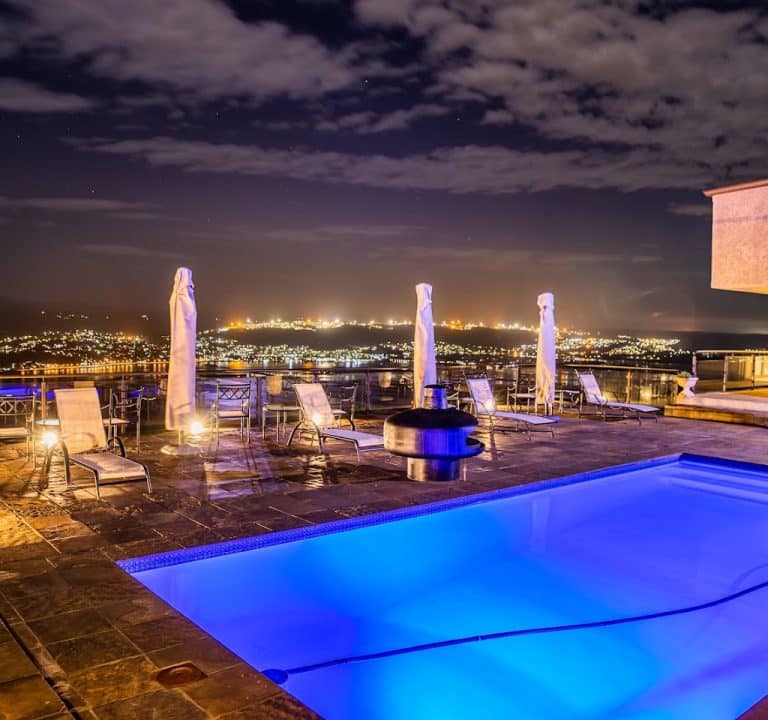
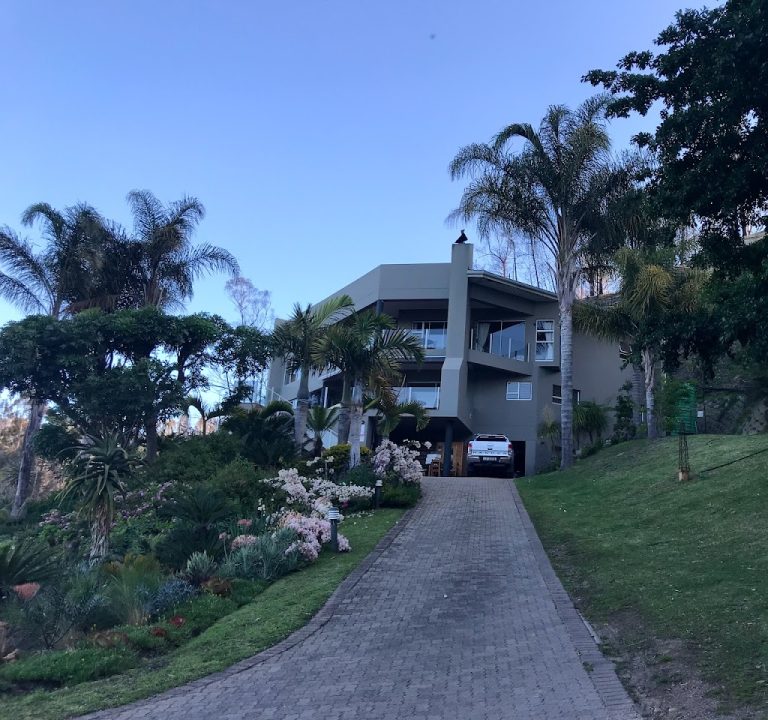
- Die Kasteel, Belvidere Estate: A fine example of self-catering accommodation, Die Kasteel combines period ambience with modern comforts. Staying here provides a tranquil base with easy access to the surrounding countryside and Knysna’s golden shores. Visit the property’s website to explore availability and features.
- Areas to consider: Knysna Central, Thesen Island, and Belvidere offer different vibes. Knysna Central puts you close to the Waterfront, shops and eateries, while Thesen Island provides a modern, village-like atmosphere with water views. Belvidere Estate offers a more secluded, leafy setting that’s ideal for quieter stays and longer breaks.
- What to look for when booking:
- Proximity to water or forests, depending on your interests.
- Self-catering facilities or on-site amenities such as pools, braai areas, or lawns.
- Access to public transport or parking arrangements if you plan to explore beyond the town.
- Guest reviews focusing on cleanliness, comfort, and the responsiveness of hosts or managers.
- Flexibility with check-in times and delivery of fresh linens or housekeeping, if required.
Typical amenities you may encounter
- Self-catering kitchens with basic cooking equipment and dining spaces.
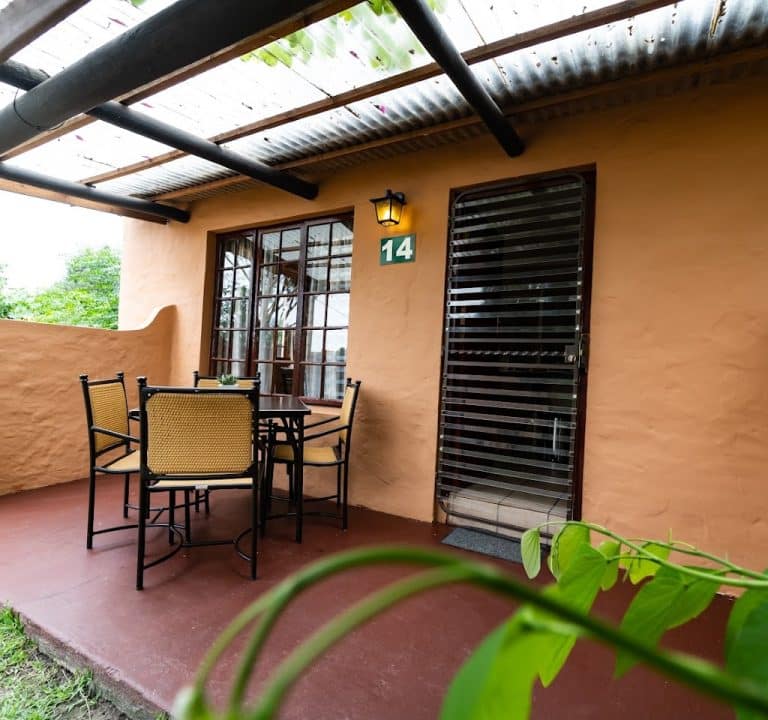
- Private or communal outdoor areas, including terraces, sun decks or braai facilities.
- Free or affordable Wi-Fi, secure parking, and laundry facilities for longer stays.
- Leisure options such as seasonal pools, garden seating, and easy access to nature trails.
- Proximity to attractions and handy local information from hosts or managers.
Transport and getting around
- Car hire is common for visitors who want to explore the wider region at their own pace. Knysna is easy to navigate by road, and many accommodation options offer off-street parking.
- Within town, you’ll typically walk or cycle to the waterfront, shops and eateries. If you’re staying on the fringes or at a resort estate, check whether shuttle services or bikes are available.
- For day trips, many visitors organise guided tours or hire a car to travel to Knysna Heads, the Featherbed Nature Reserve, and nearby forests and viewpoints. Outdoor activities such as hiking, birdwatching and waterside strolls are all popular, with routes suitable for families and more experienced walkers alike.
Best time to visit
- The peak season coincides with school holidays and the best of the South African summer, when days are long and beaches and lagoons feel most inviting.
- Spring (September to November) brings mild weather, blooming flora, and quieter streets—great for walkers and photographers.
- Autumn and winter offer cooler days with a different charm, and whales are often spotted offshore during certain months. If you plan a visit primarily for outdoor activities, consider the weather patterns and your preferred pace of travel.
Planning your stay: practical tips
- Build a balanced itinerary: mix water-based activities and nature walks with leisurely meals along the waterfront or in garden surroundings.
- Book ahead for peak periods but leave some flexibility for spontaneous days. Knysna’s smaller size makes it easier to adjust plans on the fly.
- Pack layers and a light rain layer for changeable coastal weather; sun protection is essential for outdoor days.
- If you’re staying in a self-catering property, create a simple food plan and map out nearby shops and markets to reduce daily trips.
- Respect local wildlife and natural spaces by sticking to marked paths, following signage, and disposing of waste responsibly.
- Budget for activities such as boat trips, coastal viewpoints, and forest walks, and consider combining paid experiences with free nature exploration for a well-rounded stay.
Places to explore (general terms)
- The waterfront area with views over the harbour and access to small shops and eateries.
- The lagoon and estuary zones, offering gentle boat rides or kayak experiences in good weather.
- Nearby forested areas and viewpoints that reward hikers with sweeping panoramas of the coastline and hinterland.
- Local farms and markets where you can sample regional produce and crafts, subject to seasonal openings.
Restaurants and dining
- Knysna’s dining scene ranges from casual seaside spots to refined eateries that emphasise fresh fish, locally sourced ingredients and international flavours. Look for venues with relaxed outdoor spaces, particularly in the warmer months, and consider reserving ahead during busy periods.
Useful links
- Die Kasteel: http://www.diekasteel.com/
In summary, Knysna provides a versatile base for a memorable Garden Route stay. Whether you prefer a cosy self-catering retreat on the edge of Belvidere Estate, a central apartment near the Waterfront, or a contemporary lodge with forest views, thoughtful planning will help you make the most of your time. With its natural beauty and easy access to activities and dining, Knysna makes a compelling choice for both short breaks and longer getaways.