Accommodation and Things to Do in Vivo, Limpopo: A Practical Guide for Visitors
Vivo in Limpopo is a gateway for travellers seeking a relaxed, South African experience that combines rural charm with easy access to nature. Planning a stay here means weighing several options—from intimate B&Bs and guesthouses to self‑catering cottages and country lodges. The aim is to choose a base that minimises transit time, maximises comfort, and leaves room for day trips to nearby reserves, cultural sites and local dining finds.
Areas to consider when booking your stay include the town centre for convenient access to basic services, and the outskirts where guesthouses and lodges often offer larger grounds, quieter surroundings and a more immersive atmosphere. If you’ll be driving, look for accommodation with easy highway or main-road access and clear directions, as rural signage can vary. If you’re arriving by air or bus, check the transfer options to your chosen area and whether the property offers any shuttle arrangements or helpful guidance for self‑drive routes.
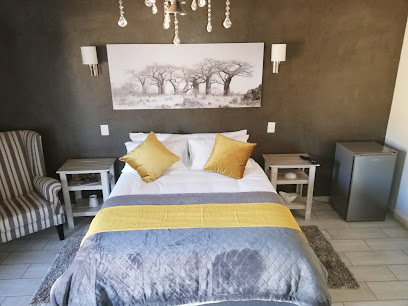
Typical accommodation styles in Vivo range from traditional guesthouses with warm, personalised service to modern self‑catering cottages that feel like a home away from home. Many properties emphasise a hospitable, family‑run ethos, with common facilities such as secure parking, daily housekeeping, and on‑site dining or kitchen facilities. Essential amenities to look for include reliable hot water, strong Wi‑Fi if you need to work remotely or stay connected, at‑least modest heating or cooling for the season, and a view or outdoor space to enjoy the surrounding landscape. If you prefer social dining, choose places that offer breakfast or dinner options; for those seeking privacy, a self‑catering unit with a fully equipped kitchen can be ideal.
The region’s climate influences what to pack and when to visit. Winters (May to September) are typically mild during the day, cooler at night, and very dry—great for outdoor activities and wildlife viewing. Summers (October to March) bring warmer days with possible rain showers and the occasional storm. The shoulder seasons can be especially pleasant, with fewer crowds and comfortable temperatures for long drives and walking tours. Check the local forecast before you travel and plan outdoor days early in the morning or late afternoon to avoid the peak heat.
When planning your itinerary, balance nature outings with cultural experiences and relaxed meals. In Vivo and the surrounding area, you’ll find opportunities to explore nature reserves or protected landscapes, with the chance to see wildlife from designated viewpoints or guided safaris. While exact access will vary by property, many guests arrange day trips to nearby natural areas, where you can enjoy scenic drives, short woodland walks, and picnic spots. Guided experiences—whether a morning game drive, a birdwatching walk, or a cultural village visit—can enrich your stay by providing local context and storytelling you won’t get from guidebooks alone.
Dining is an important part of the travel experience. Local restaurants and lodge dining rooms typically offer uncomplicated menus featuring hearty South African favourites, grilled dishes, and seasonal produce. You may also encounter options for lighter meals or casual eateries where staff can share recommendations about traditional dishes and regional favourites. If you choose a property with on‑site dining, ask about meal times, suggested dress for evenings, and whether they accommodate dietary requirements. For those who enjoy cooking their own meals, a self‑catering unit with a well‑equipped kitchen can be both convenient and economical, especially for families or groups.
Transport in and around Vivo is most straightforward with a private car or rental vehicle. The road network connects Vivo to neighbouring towns and attractions, with signage in provincial dialects and standard road rules. If you’re not driving, check ahead for local transfer options offered by your accommodation, or plan a route with a reputable transport operator. Always confirm estimated travel times given possible seasonal road conditions. A lightweight map or offline GPS can be a useful companion even when mobile signal is intermittent.
Practical tips for a smooth stay:
- Book in advance during peak seasons and major holidays, when rooms can fill quickly and prices may rise.
- Contact your chosen property to clarify check‑in times, whether early or late arrivals can be accommodated, and parking arrangements.
- Ask about security measures and lighting in outdoor areas if you plan evening strolls or outdoor meals.
- Inquire about guided activities or local recommendations for day trips to maximise your time and experiences.
- Pack a versatile wardrobe suitable for both outdoor exploring and relaxed evenings, plus sun protection for the day and a light jacket for cooler nights.
For planning resources and inspiration, reputable travel sites and regional tourism pages offer practical guidance on where to stay, what to expect, and how to build a balanced itinerary. They can help you gauge typical services, seasonal highlights, and safe, scenic routes through Limpopo. If you’d like general information on South Africa’s tourism landscape, you can explore official guidance at national tourism portals for broader context and planning ideas.
Whether your aim is a quiet escape, a base for wildlife viewing, or a starting point for discovering local communities and cuisine, Vivo provides a solid foundation for a memorable stay. With thoughtful planning, you’ll enjoy comfortable accommodation, easy access to nature, and a taste of rural South Africa that lingers long after you’ve departed. For more information and ideas, visit reputable tourism resources online.