Modjadjiskloof: where to stay, eat and explore in Limpopo
Modjadjiskloof sits high on the Mpumalanga–Limpopo escarpment, offering a mix of tranquil country lanes, forest-fringed valleys and easy access to the region’s natural and cultural highlights. When planning a stay here, consider the surrounding areas as part of your itinerary: the core village itself for boutique guest houses, and the nearby agricultural and nature corridors that reveal a calmer side of South Africa’s northern plains. A well-chosen base in Modjadjiskloof can reduce daily driving and maximise time for wildlife viewing, letters from the garden, and leisurely meals with a view.
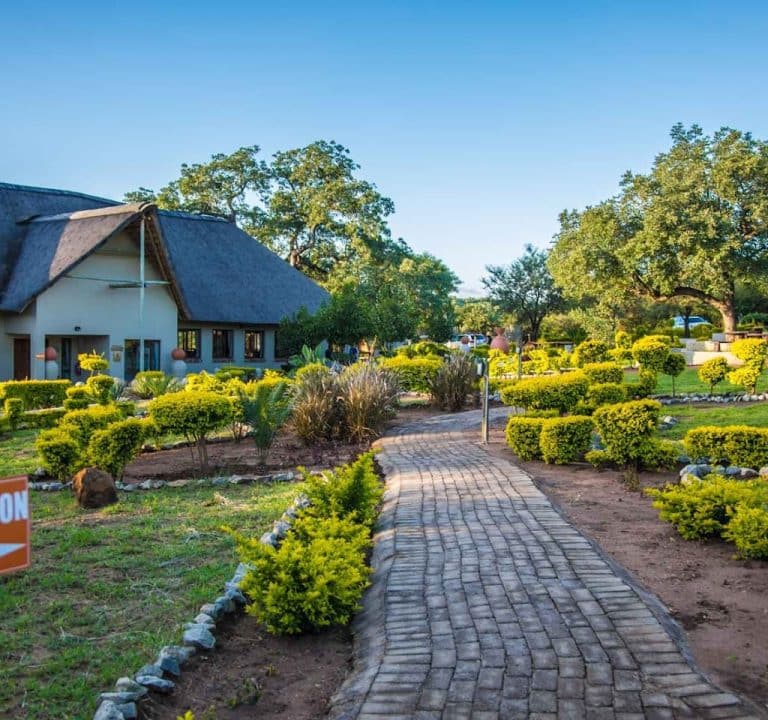
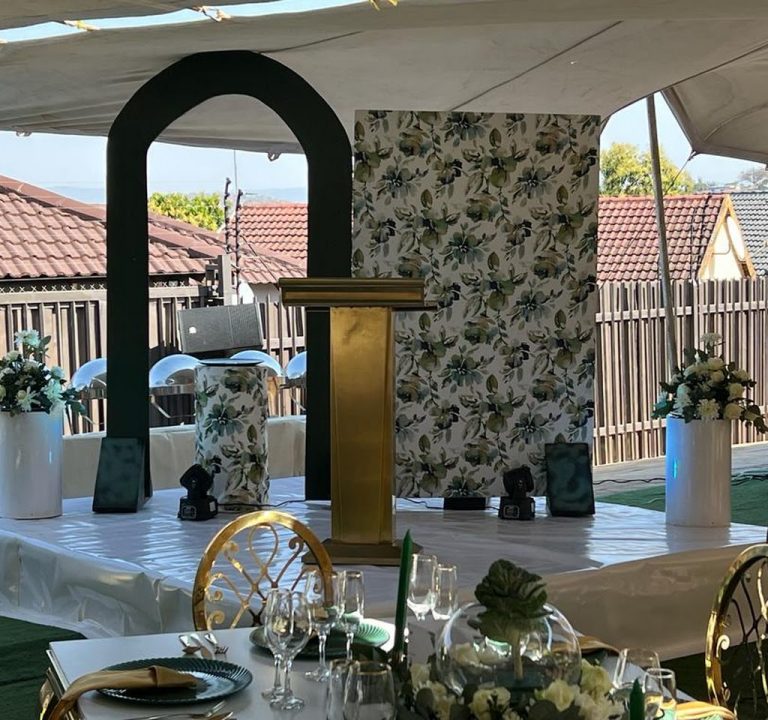
Accommodation options in Modjadjiskloof range from intimate guest houses to snug lodges and family-run B&Bs. A property such as the Deluxe Estate, described as a guest house, may offer a personalised stay with a focus on guest comfort and local charm. When you book, look for a place that clearly communicates practical details: check-in and check-out times, security measures, onsite parking, and whether the property can arrange guided forest and nature drives, or assist with day trips to nearby sights. A strong base will typically provide a private or semi-private en-suite room, reasonable Wi‑Fi, hot water reliability, daily housekeeping, and a friendly, informed host who can tailor recommendations to your interests.
Areas to consider when selecting where to stay include:
- The village core, where you’ll find compact guest houses with easy access to eateries and take-away options, and a gentle walk to viewpoints around the escarpment.
- Rural lanes just outside the centre, offering larger plots, more secluded environments and opportunities for early-morning wildlife and birdwatching.
- Access points to nature reserves and forested areas, which can shorten your drive for morning or late-afternoon excursions.
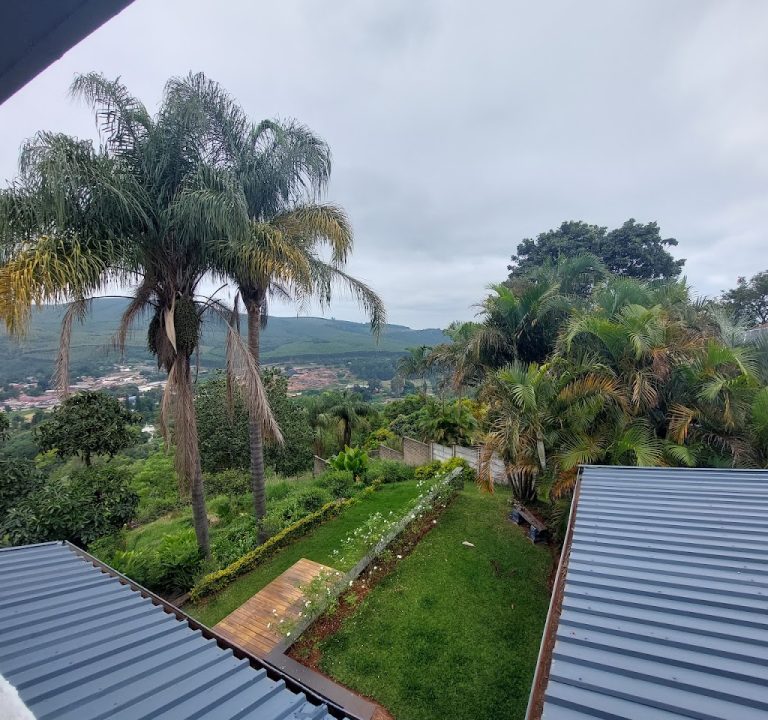
Typical amenities to look for in Modjadjiskloof accommodation include en-suite bedrooms, air conditioning or ceiling fans for warm Limpopo days, an insect screen on doors and windows, and reliable hot water. Food and drink can be a highlight; many guest houses offer hearty breakfasts with seasonal produce, and some may provide evening meals or partner with local restaurants for easy ordering. If you prefer self-catering, check whether a kitchenette, barbecue area, or a small dining room is available. For longer stays, enquire about laundry facilities and guest lounge spaces, as well as access to outdoor seating that takes in garden or valley views.
Practical planning tips:
- Transport: a rental car is usually essential to explore Modjadjiskloof and its surrounds, as public transport options are limited. Check the ease of parking and any access restrictions for gates or private roads near your chosen property.
- Best time to visit: the area experiences a warm, dry season in winter and a hotter, wetter summer. Spring and autumn can offer pleasant temperatures for outdoor activities without peak heat. If you are hoping to see birdlife or plants in bloom, coordinate your visit with the local growing seasons and, where possible, morning hours when wildlife is most active.
- Weather and clothing: pack light layers for daytime warmth and cooler evenings on the escarpment. A light rain jacket can be helpful in the wet season.
- Health and safety: keep basic precautions in mind, especially when venturing into more remote forested areas. A charged mobile phone, a local map or offline navigation, and supervision of children around water features or steep terrain are sensible precautions.
- Connectivity: some smaller guest houses may offer limited mobile signal and Wi‑Fi. If you need reliable internet for work or streaming, confirm connectivity in advance or ask for a quiet work space at the property.
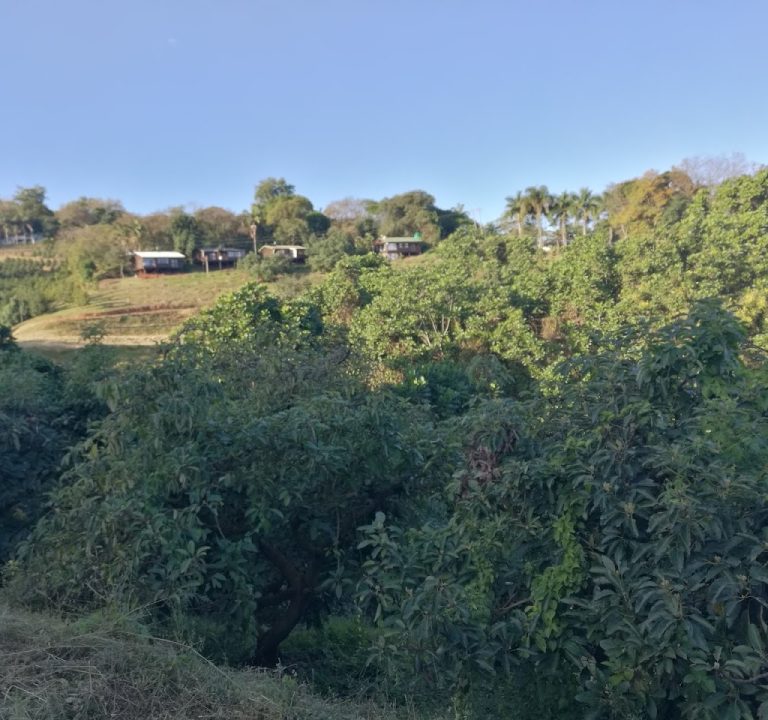
When it comes to attractions and experiences, Modjadjiskloof makes a fine base for gentle exploration. In general terms, you’ll find nature-related activities that focus on the region’s forests, escarpments and rural landscapes. Birds and small mammals are commonly spotted in and around the estates and protected green spaces. For a broader day out, consider arranging a short drive to nearby nature reserves, viewpoints on the escarpment, or informal farm stalls offering local produce and crafts. Dining options in the area tend to emphasise wholesome, home-style cooking, with ingredients sourced locally where possible, and some eateries offer seasonal menus that reflect Limpopo’s agricultural bounty.
To help plan a balanced stay, many travellers pair a couple of nights in Modjadjiskloof with a day trip to nearby towns or natural attractions within a short drive. A flexible itinerary works well here: you can spend mornings in the forest or on the escarpment, followed by a relaxed lunch at a guest house or local restaurant, and afternoon visits to viewpoints or gentle nature trails. For those seeking a deeper experience, ask your host about guided forest walks or birdwatching sessions, which can provide insights into the flora and fauna that characterise this part of Limpopo.
Booking considerations and practical tips at a glance:
- Look for clear cancellation policies and a transparent description of what is included in the rate (meals, activities, or access to facilities).
- Ask about accessibility features if needed, and whether excursions can be arranged through the property or via trusted local operators.
- Confirm the proximity to your planned day trips and whether the property offers helpful guidance cards or itineraries.
- Check for eco-friendly practices and community contacts; many smaller places in Modjadjiskloof support local initiatives and conservation efforts.
For those seeking a peaceful, scenically rich stay with a warm welcome, Modjadjiskloof offers a compelling mix of accommodation and natural beauty. With a well-chosen guest house as your base—such as Deluxe Estate—you can enjoy comfortable rooms, attentive service, and easy access to the area’s quiet trails, forested hills and scenic viewpoints. For more information on planning a visit, you can explore official regional tourism resources to discover the latest practical details, seasonal highlights, and suggested routes that suit your interests. Visit Limpopo Tourism for broader ideas and upcoming local events.