Delaire Graff Estate is a Winery establishment in Stellenbosch, Western Cape, South Africa
About Delaire Graff Estate: A Stately Retreat in Stellenbosch
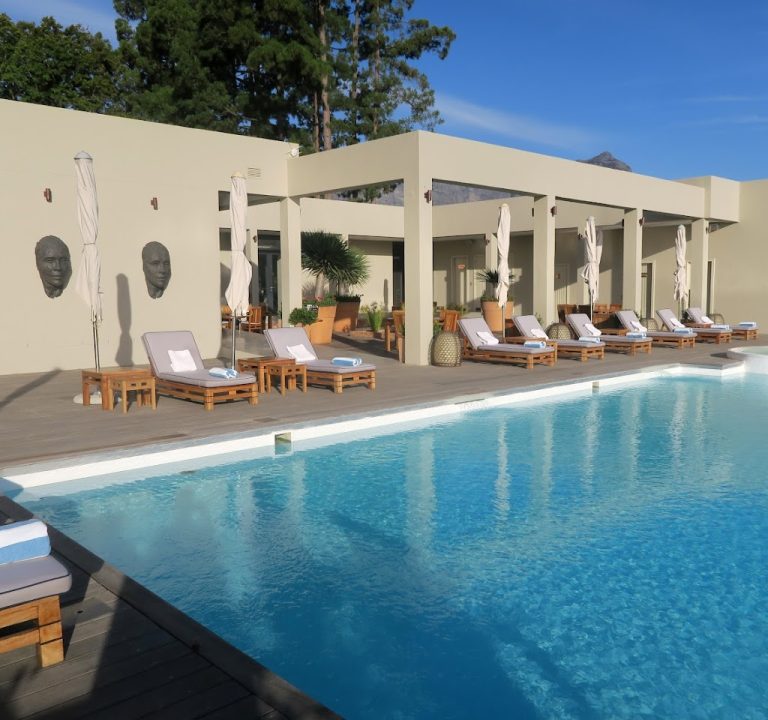
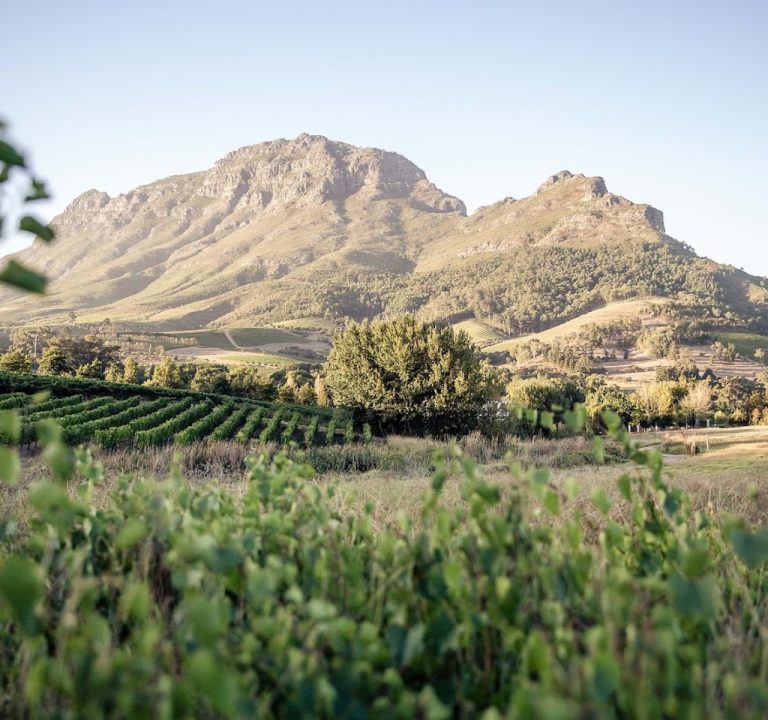
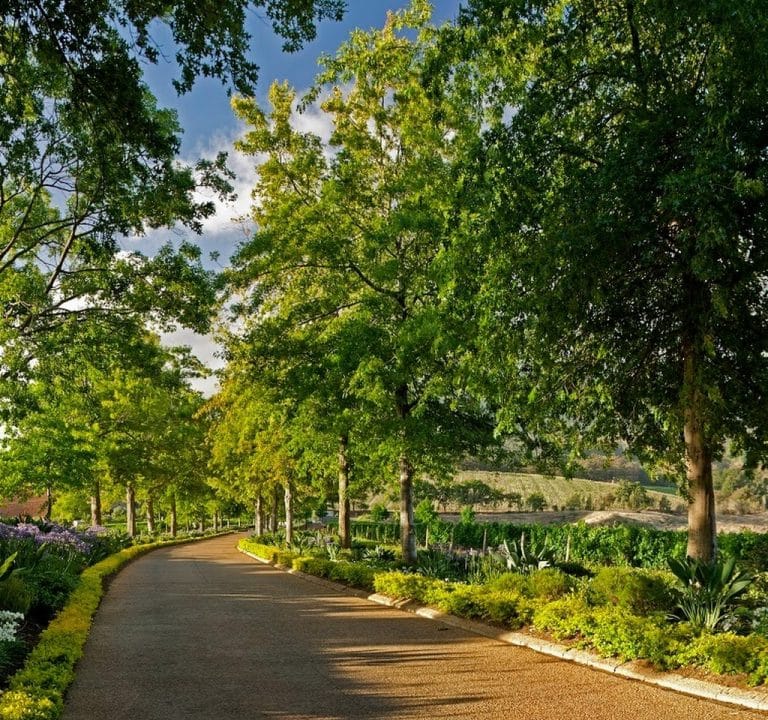
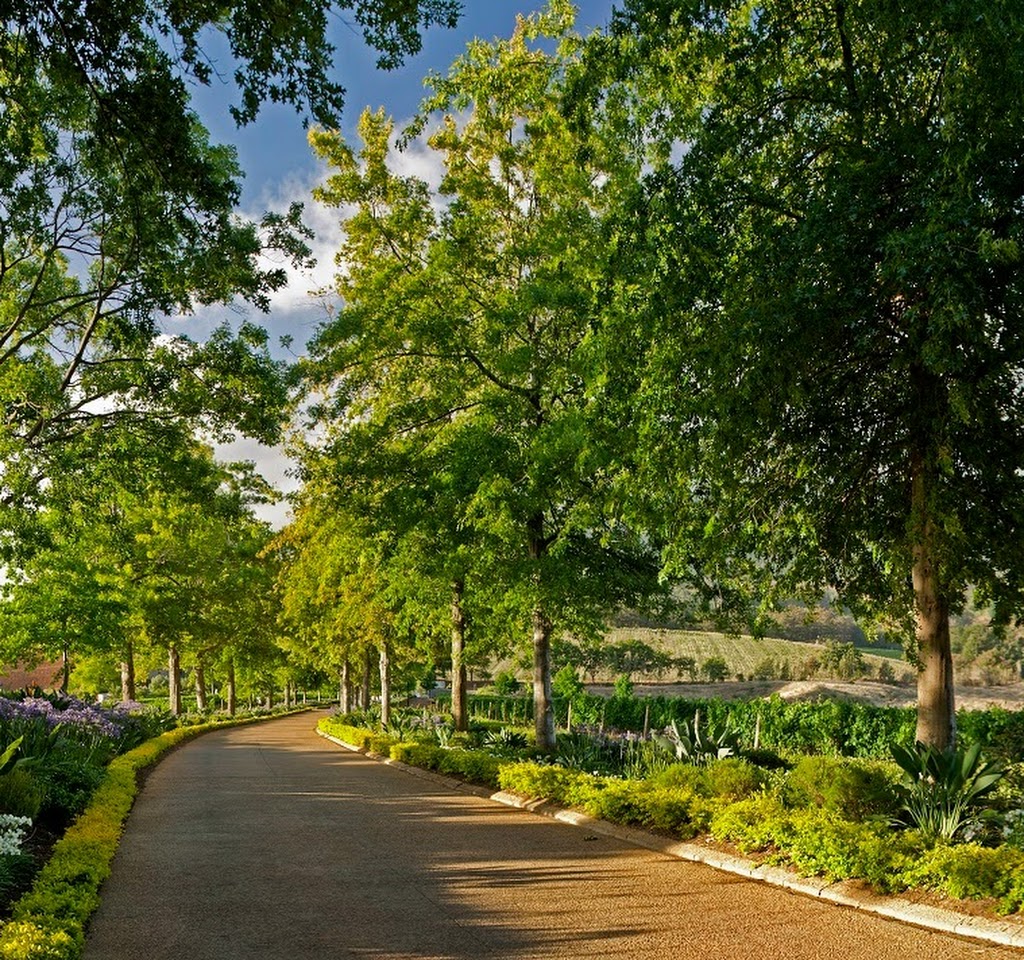
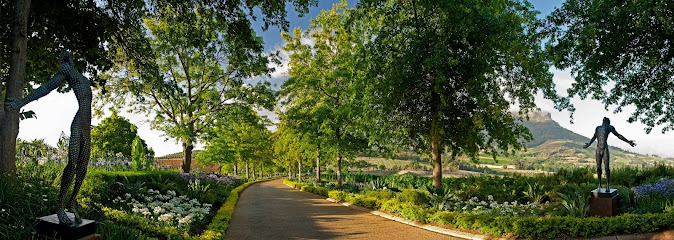
Set high above the town of Stellenbosch in the Western Cape, Delaire Graff Estate presents a refined blend of luxury accommodation, gastronomy and artful living. The estate is designed as a sanctuary for travellers seeking privacy, elevated comfort and a curated South African experience. Its setting—rolling vineyards, striking mountain views and meticulously tended gardens—provides a sense of arrival that is both tranquil and aspirational.
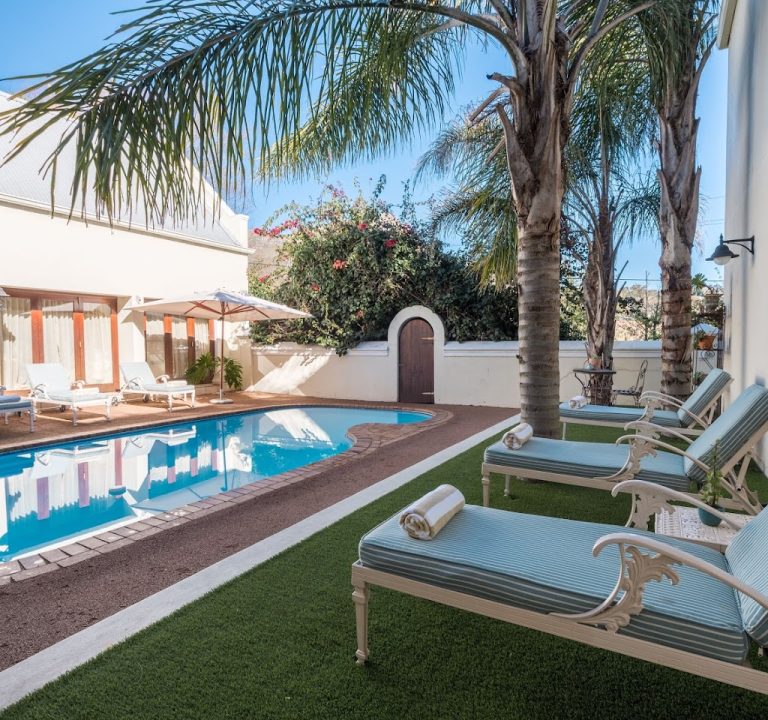
Staying at Delaire Graff means entering a portfolio of lodges and villas that emphasise space, light and an individual sense of place. The accommodation options include a range of garden, luxury and superior lodges, each crafted to offer generous interiors, private outdoor spaces and distinctive vistas. Garden Lodges and Luxury Lodges present 70 square metres of one-bedroom living with pools and garden or Table Mountain views, while Superior Lodges expand the experience to a heated pool and a private deck. For guests seeking a multi-bedroom arrangement, Presidential Lodges 1 and 2 provide two-bedroomliving spaces with pools, private decks and panoramic outlooks—perfect for families or small groups. In addition, the Owner’s Villa offers a substantial, four-bedroom residence with an infinity pool and dedicated chef for an elevated level of privacy and service.
Interiors throughout the estate reflect a refined yet welcoming aesthetic, with attention to light, texture and comfort. The accommodation is positioned to maximise views of the surrounding landscape, with many spaces oriented toward the iconic Simonsberg and Table Mountain silhouettes. While visiting, guests can expect a calm pace and a focus on generous living areas, outdoor terraces and the kind of quiet luxury that encourages lingering over a drink at sunset or an early-morning stroll among landscaped grounds.
Dining at Delaire Graff is a central pillar of the guest experience. The estate hosts a signature restaurant where creative bistro fare is paired with sweeping views. For visitors seeking a broader range of culinary influences, Lorenzo’s Italian restaurant offers an intimate setting characterised by antipasti, wood-fired pizzas and handmade pastas. The culinary programme is complemented by opportunities for private dining and events, allowing guests to tailor a memorable occasion against the estate’s captivating backdrops.
Wellbeing and relaxation form another cornerstone of the experience. Spa offerings present a spectrum of treatments, massages and body therapies, accompanied by bespoke spa journeys designed to promote renewal. Spa products and routines are also accessible through the estate’s online channels, underscoring a holistic approach to wellness that extends beyond in-person visits.
Beyond accommodation and dining, Delaire Graff Estate invites guests to explore a broader cultural and sensory landscape. The Boutiques on the estate curate luxury from around the world, while The Art and Gardens showcase Laurence Graff’s art collection and meticulously curated horticulture. The estate’s philosophy emphasises generosity and sustainability, inviting guests to engage with a broader sense of place and community through giving-back initiatives and responsible guest experiences.
Who is the estate best suited for? The answer lies with travellers who value a refined, immersive stay that blends privacy with access to world-class dining, art and landscapes. It is well suited to couples seeking a romantic escape, families looking for generous lodges and private spaces, and travellers who appreciate a polished, destination-wide experience that can accommodate both tranquil downtime and memorable celebrations.
- Garden Lodges: 70 m², one-bedroom, with pool and garden views.
- Luxury Lodges: 70 m², one-bedroom, with pool and Table Mountain views.
- Superior Lodges: 76 m², one-bedroom, with heated pool and private deck.
- Presidential Lodge 1: 130 m², two-bedroom, with pool and Table Mountain views.
- Presidential Lodge 2: 130 m², two-bedroom, with pool and Simonsberg mountain views.
- Owner’s Villa: 660 m², four bedrooms, infinity pool and private chef.
Location in Stellenbosch places the estate near acclaimed wine regions, charming towns and a wealth of outdoor activities. While the precise proximity to individual attractions is not itemised in the public summaries, the surrounding Western Cape landscape offers wine tasting, vineyard tours and scenic drives that are characteristic of the Stellenbosch area. Visitors should plan time to explore the estate grounds, enjoy the culinary offerings and consider a guided winery itinerary to take full advantage of the region’s renowned viticulture.
Booking and travel tips: advance planning is recommended, particularly for peak seasons, to secure preferred lodges and dining options. The estate provides a direct web presence with detailed information on stay, dine and spa experiences, as well as private dining and event services. Guests are encouraged to review the estate’s official pages for the latest offers and itineraries. For those seeking a comprehensive experience, pairing a stay with wine tasting in the on-site wine lounge and visits to the estate’s boutiques and gardens can enrich the visit. More information and reservations can be explored at the main website: Delaire Graff Estate.
Stellenbosch
Western Cape
7602
South Africa
Stellenbosch: where tranquillity, wine and historic charm meet modern stay options
Stellenbosch, in the Western Cape of South Africa, blends oak-lined streets, Cape Dutch architecture and a thriving food and wine scene with comfortable, traveller‑friendly accommodation. Whether you favour a boutique guesthouse tucked behind a sleepy lane, a winery estate with sweeping views, or a contemporary hotel near the town’s museum district, Stellenbosch offers a range of options to suit different itineraries and budgets. The area is well suited to relaxed exploration by car, bicycle or taxi, with plenty of scenic detours along vineyards, valleys and the slopes of surrounding mountains.
When planning a stay, think about which neighbourhood will best suit your plans. The historic town centre is ideal for walkers who want close proximity to galleries, cafés and restaurants, plus easy access to wine-tasting venues in the nearby suburbs. For those chasing uninterrupted vineyard scenery and a sense of seclusion, estates located a short drive from the town can provide a tranquil retreat with stylish interiors and manicured gardens. If convenience matters, some hotels and inns offer quick routes to the N1 highway and airport transfer points, making day trips to nearby Stellenbosch University, the Jonkershoek Valley or the coastal towns practical and enjoyable.
Typical amenities you can expect include comfortable en-suite rooms, good Wi‑Fi, tea and coffee facilities, and often a generous breakfast offering using local produce. In wine country, many properties pair guest rooms with verandas, private terraces or even pool access. For longer stays, look for residences with living spaces, kitchen facilities or on‑site eateries that showcase regional cuisine, as these can help you balance indulgence with practical, budget‑friendly meals.
Accommodation highlights to look for when booking include:
- Proximity to the town centre or key vineyards you plan to visit
- On-site dining options or easy access to recommended local eateries
- Access to parking or easy street parking if you are driving
- Guest reviews regarding staff hospitality, cleanliness and noise levels
- Privacy and quiet, especially if you are staying in a wine estate or garden lodge
- Availability of guided experiences or recommendations for local tours
In terms of transport, a hire car provides the greatest flexibility to explore the Winelands at your own pace. Taxis and ride‑hail services are commonly available in the town, and many hotels can arrange transfers or private tours to nearby estates. If you prefer cycling, Stellenbosch is becoming more bicycle‑friendly, with scenic routes suitable for day trips into the countryside, though some hills can be challenging for casual riders.
The best time to visit Stellenbosch depends on your priorities. The late summer and autumn months (February to May) bring warm days and cooler evenings, ideal for tastings and alfresco dining. Spring offers blooming gardens and lighter crowds, while the winter period can be quieter and more affordable, though days may be cooler and rainier. For wine lovers, aligning your stay with harvest season can be particularly special, but always check with the estate or accommodation about opening hours and tastings, as schedules can vary.
Beyond the cellar doors, Stellenbosch offers engaging experiences you might want to weave into your stay. Vineyard strolls, art galleries, and small museums sit alongside elegant dining rooms, casual brasseries and coffee roasters. In the surrounding area, you’ll find nature trails, forested reserves and viewpoints that reward patient photographers with views across river valleys and distant peaks.
For a memorable winery stay, consider exploring a blend of experiences—from refined dining to intimate wine tastings. One well‑known estate in the region operates as a full visitor destination, offering lodges, fine dining, a curated wine programme and spa facilities. Guests commonly praise the sense of occasion that comes with staying on a large, well‑appointed estate while still feeling immersed in the surrounding landscape. Its offerings may include a combination of lodging options, private dining rooms and a dedicated wine lounge for tutored tastings. For more details, you can visit the estate’s pages to view the various lodging choices and experiences on offer, including garden lodges, luxury lodges and even presidential‑style lodges with striking views.
When selecting accommodation in Stellenbosch, it is worth noting the local culinary scene as part of your planning. The town hosts a spectrum of eateries—from classic rustic bistros to contemporary restaurants focusing on seasonal, regional produce. Many establishments highlight South African flavours with modern presentation, making dinner a highlight of a day spent wine‑taring and exploring historic streets.
Practical tips for travellers:
- Book well in advance during peak seasons, especially weekends and harvest periods.
- Check whether your chosen option includes breakfast or if you will dine out; many places partner with local cafés for morning pastry runs or coffee stops.
- Confirm access to on‑site parking and quiet rooms if you are sensitive to street noise.
- Ask about guided tours or tastings, as some estates offer bundled experiences that include transfers or private tastings.
- Plan at least one winery visit that combines a scenic setting with a relaxed tasting format, to balance travel time with downtime at your accommodation.
- Visit Delaire Graff Estate for a sense of how a flagship winery estate blends lodging, dining and art‑filled spaces; the estate’s lodges and dining rooms offer a flexible base for exploring the Winelands. For more information, see their official site: Delaire Graff Estate.
Stellenbosch is a gateway to a richly textured travel experience: a place where history and gastronomy meet the scenery of the Cape Winelands. With careful planning, your stay can combine comfortable accommodation, efficient transport, and a curated mix of wine, heritage and contemporary dining—creating a memorable chapter in your South African journey.
Sorry, no records were found. Please adjust your search criteria and try again.
Sorry, unable to load the Maps API.
Why Claim Your Listing?
Claiming your listing on the B&B Finder directory website is a valuable opportunity for business owners. Here are five reasons why you should consider claiming your listings:
Control Over Business Information: By claiming their listing, business owners can ensure that all the information presented is accurate and up-to-date. This includes details such as contact information, address, pricing, and available services or amenities. Accurate information helps prevent customer confusion and improves overall satisfaction.
Enhance the Listing: Once a listing is claimed, owners can enhance it by adding more comprehensive information and rich media, like high-quality photos and videos. These additions can make the listing more attractive and engaging to potential customers, thereby increasing the likelihood of bookings.
Marketing Opportunities: Claiming a listing can also open up additional marketing opportunities. Owners may be able to participate in promotional campaigns, special offers, and other marketing activities organized by the directory. This can increase visibility and attract more customers to the business.