Accommodation and experiences in Graaff-Reinet: planning your stay and exploring the Eastern Cape
Graaff-Reinet, tucked in the arid beauty of the Eastern Cape, blends historic architecture with rugged landscapes. When planning a visit, consider both where to stay and how to structure your days so you can enjoy the town’s unique character and the surrounding scenery. From intimate bed and breakfasts to characterful guesthouses, there are several options that appeal to travellers seeking comfort with a sense of place.
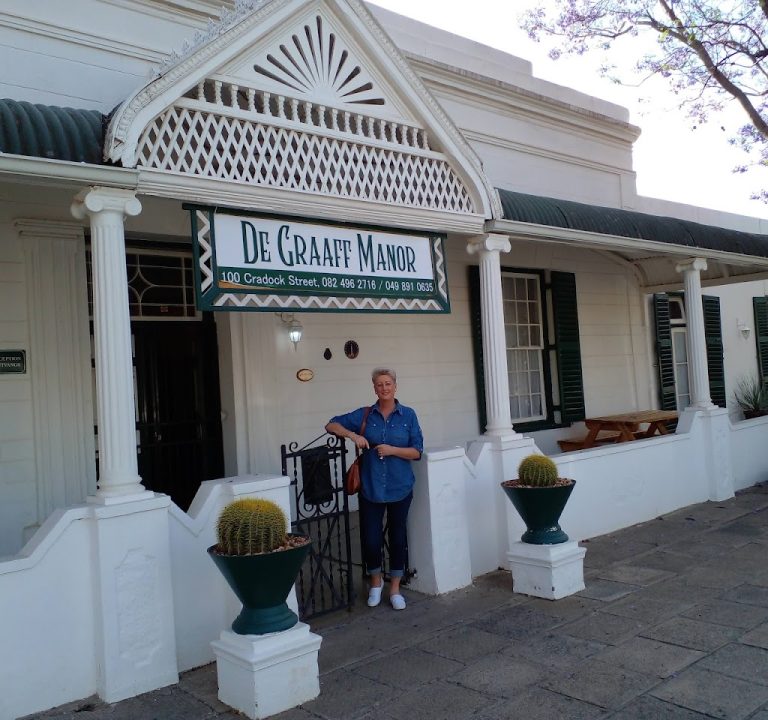
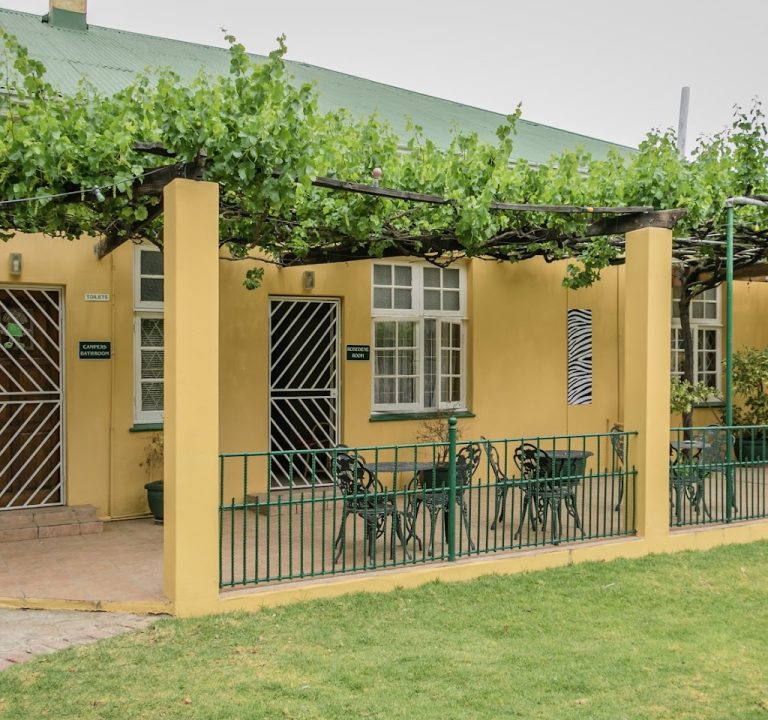
For a quintessential stay, look for properties in or near the historic core. The town’s Grade II and locally listed buildings provide atmosphere, with exteriors and interiors that echo its 19th‑century heyday. A stay at a beloved B&B such as De Graaff Manor (a commonly referenced option in discussions of the area) can offer personalised service, a sense of heritage, and easy access to the town’s streets, churches and markets. When selecting accommodation, consider the following features to ensure a comfortable visit.
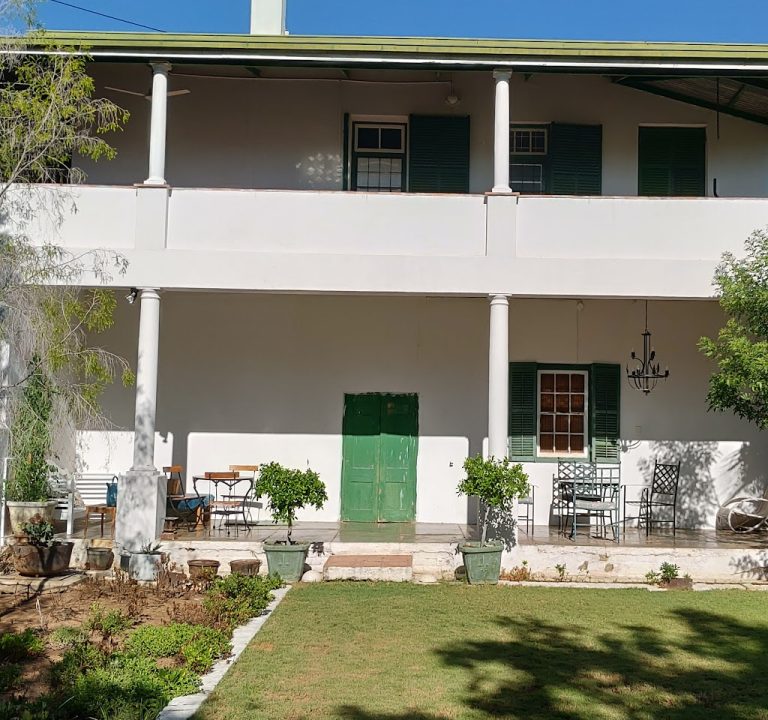
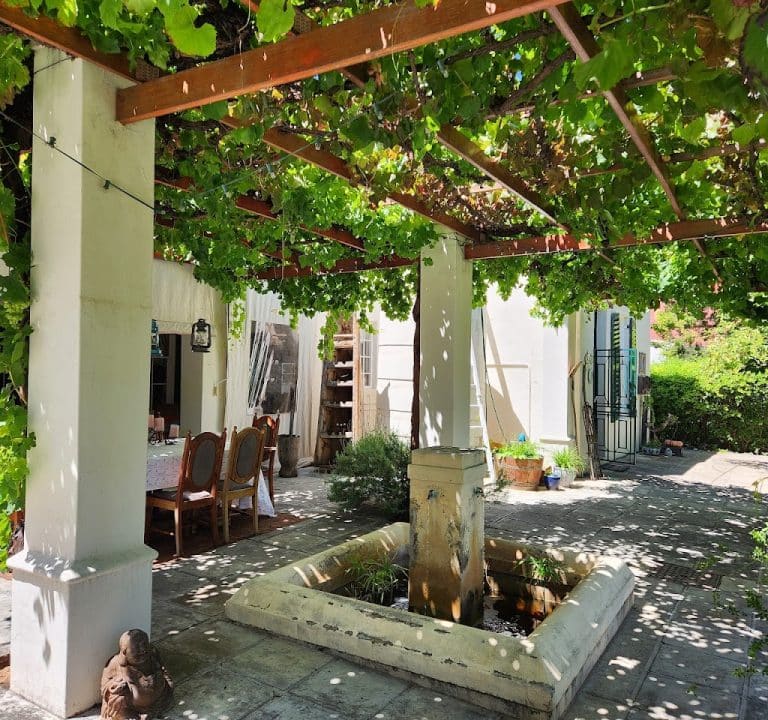
Key factors to weigh when booking include the size and layout of the room, on-site parking, and the availability of common spaces where you can relax after a day of exploring. Enquire about breakfast offerings, as many guesthouses pride themselves on hearty, locally inspired morning meals. Look for hosts who can share insider recommendations about the area—lessons learned from locals can transform a standard itinerary into an authentic Graaff-Reinet experience. If you prefer a quieter setting, you might choose a property a short stroll from the town centre or a spot with a garden or courtyard to enjoy starlit skies after sunset.
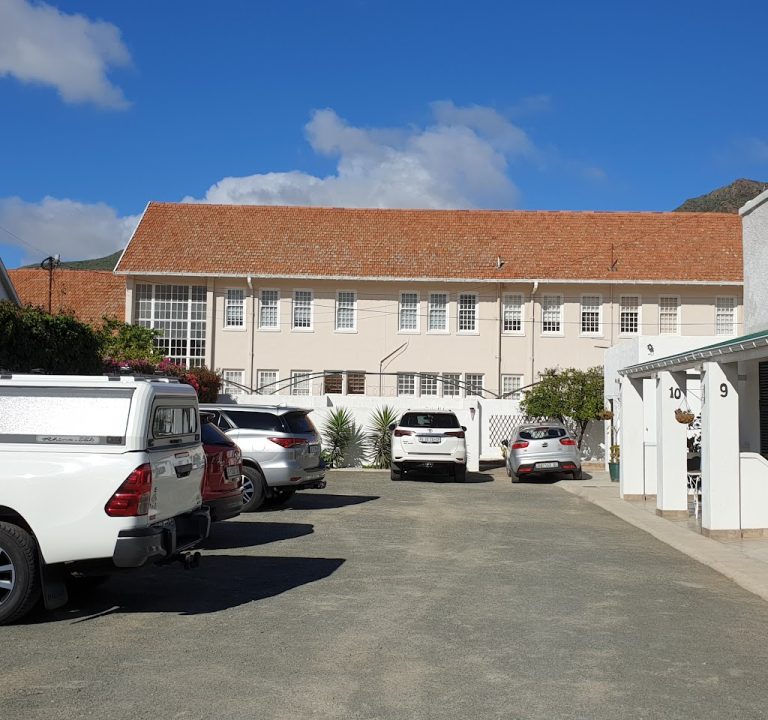
Typical amenities in Graaff-Reinet’s accommodation scene range from en‑suite bathrooms and comfortable beds to free Wi‑Fi, heating for cooler evenings, and sometimes upcycled or period‑accurate furnishings that reflect the town’s heritage. Many places offer guest lounges, books, and maps to help you plan day trips. Some properties may provide a small kitchen or dining area for guests who value flexibility, while others focus on full board or have arrangements with nearby eateries for convenient dining options. If you are travelling by car, confirm parking arrangements in advance, as some historic properties have limited on‑street space or require remote parking a short walk away.
When thinking about transport, Graaff-Reinet is best explored with a car, but there are opportunities to join organised tours or hire taxis for specific day trips. The town’s charming streets are largely walkable, so a central base makes it easy to reach cafés, craft shops, and cultural venues on foot. For excursions into the surrounding region, a vehicle offers the freedom to visit nature reserves, viewpoints, and historic homesteads scattered around the Camdeboo area. If you prefer guided experiences, look for local operators offering nature drives, birdwatching walks, or cultural tours that explain the interwoven histories of the town and its landscapes.
The best time to visit Graaff-Reinet depends on what you want from your trip. Spring and autumn offer mild weather that suits outdoor activities in the Camdeboo National Park and neighbouring nature reserves. Winter can be crisp, with clear skies ideal for stargazing in local guesthouse common areas or terraces. Summer brings warmth and the chance of afternoon storms, which can add drama to dramatic scenery but may require flexible plans. Regardless of the season, early mornings and late afternoons are particularly rewarding for photography, wildlife viewing, and enjoying the serenity of the town’s wide streets and open spaces.
Attractions and activities tend to cluster around a few core themes: heritage and museums, natural scenery, and the rural South African countryside that surrounds the town. The core history is evident in restored colonial buildings, museums, and the town’s tranquil central squares. Within a short drive, the Camdeboo National Park offers expansive views, wildlife, and hilly landscapes that characterise the Karoo. For culture and learning, you’ll find museums and historic houses that give a sense of the area’s past, including architecture, domestic life, and regional industry. In terms of dining and socialising, Graaff-Reinet’s small cafés and eateries provide opportunities to sample local produce, breads, and seasonal dishes, often with friendly service and inviting atmospheres. When planning meals, check in advance whether your accommodation offers breakfast or if you’d prefer to explore nearby venues for a wider choice of menus and flavours.
To help you plan a balanced visit, consider the following practical tips:
- Book accommodation with a flexible cancellation policy in case weather or travel plans change.
- Pack layers for temperature changes, especially if your stay spans cooler mornings and warmer afternoons.
- Ask hosts for current directions and access tips for old streets and private gardens that may be less accessible to casual tourists.
- Bring a camera or ensure your smartphone has storage for the varied landscapes and architectural details.
- Check local events calendars before you travel to align your stay with markets, performances, or exhibitions.
For inspiration and planning resources, browse regional tourism pages or the official Graaff-Reinet visitor information hubs. Useful starting points include general information about the town’s attractions, landscape highlights, and dining options, plus a selection of properties that emphasise hospitality, historical character, and convenient locations. Whether you choose a heritage‑filled stay in a central quarter or a quieter base on the town’s edge, Graaff-Reinet offers a gateway to the Namibian‑adjacent Karoo experience with a distinctive South African flavour. For more on what Graaff-Reinet has to offer, you can visit https://www.graaffreinet.co.za and similar regional information sites.