Mossel Bay: where to stay and what to do in the Western Cape
Mossel Bay, set along the garden route in the Western Cape, offers a generous mix of coastal charm, natural beauty and a relaxed South African ambience. Whether you are seeking a family-friendly stay, a beach-facing bungalow, a compact apartment for a couple, or a campground with a close-to-nature vibe, Mossel Bay provides options that suit different travellers and budgets. Planning a stay here is best approached by considering the location within the town, the types of accommodation on offer, and how you intend to explore the surrounding attractions.
When choosing accommodation, think about your priorities. If waking with sea views is essential, look for stays along the Bay’s edge, including the popular coastal promenades and the area around the Point. For easier access to the town’s shops, cafés and the harbour, a central location can save on transport time. Families often favour larger self-catering units or guesthouses with child-friendly facilities, while couples may prefer intimate lodges or boutique-style guesthouses with quieter nooks for sunset dining.
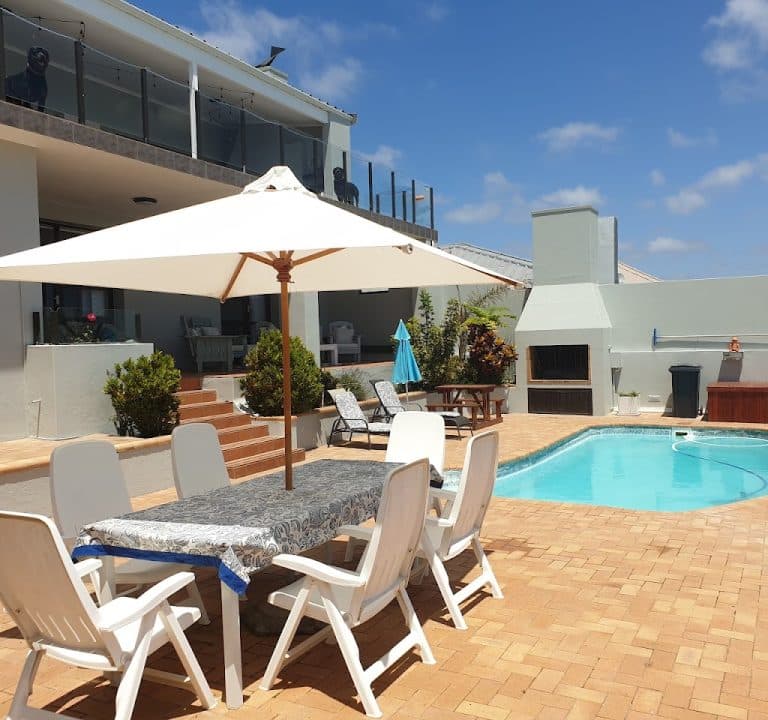
Typical amenities to expect include private or self-catering facilities, free Wi‑Fi, secure parking, swimming pools or access to pools, and daily housekeeping or self-cleaning options. Many Mossel Bay properties also offer outdoor spaces, barbecue areas, and terraces to enjoy the climate. When booking, check for accessibility features if needed, proximity to beaches, and whether the property has contingency options for seasonal weather, especially during peak season when demand rises.
Transport around Mossel Bay is straightforward. The town is small enough to explore on foot in pleasant weather, and many accommodations provide parking. For longer day trips along the Garden Route or to nearby nature reserves, renting a car offers flexibility and comfort. Public transport options exist, but for sightseeing flexibility a car is often preferable. If you plan to visit during busy periods, consider secure parking and a light travel plan to avoid queues at popular spots.
Best time to visit Mossel Bay is dictated by climate and activities. The region enjoys a mild coastal climate, with summers that are warm but not oppressive and winters that are comfortable for outdoor exploration. Spring and autumn are particularly pleasant for outdoor activities such as coastal walks, whale watching (in season), dune expeditions, and cultural tours. Summer is lively, with beaches and harbour-side eateries taking centre stage, while winter offers a quieter ambience with opportunities for indoor experiences and museum visits.
Practical planning tips help ensure a smooth stay. Book well in advance if you travel during school holidays or festive periods, as Mossel Bay is a popular stop for travellers along the Garden Route. Read up on cancellation policies and whether the property offers flexibility in case of travel disruption. Check the kitchen or cooking facilities if you prefer self-catering, and confirm if linen and towels are provided. If you require laundry services, verify this in advance. For leisure time, consider a mix of rest days and activity days—Mossel Bay can be a fitting base for exploring nearby caves, viewpoints and marine attractions.
Attractions and experiences in Mossel Bay cover living history, nature and the coastline. The harbour and the adjacent waterfront offer scenic walks, plus opportunities to observe marine life and enjoy coastal views. Visitor centres and museums provide context about the area’s maritime heritage, while nearby viewpoints reveal sweeping panoramas of the bay and the surrounding cliffs. For outdoor enthusiasts, coastal paths, beaches with gentle surf, and short hikes along bluffs provide rewarding experiences. The surrounding region offers nature reserves and scenic drives that reveal fynbos landscapes and opportunities for birdwatching, wildlife viewing and photography.
Dining options range from casual cafés to more formal restaurants offering regional seafood and contemporary dishes. Many places emphasise seasonal ingredients and locally caught seafood, with menus that reflect the coastal character of Mossel Bay. When choosing where to eat, consider proximity to your accommodation to reduce travel time after a day of sightseeing. Some establishments also offer al fresco dining with sea breezes, which can be a highlight of a Mossel Bay visit, particularly on warm evenings.
Accommodation and experiences can be complemented by a few practical options. If you are staying near the coast, you may have easier access to walks and sunrise views, while a central base can place you near shops and eateries. For campers and nature lovers, De Bakke Santos (campground) provides a different flavour of Mossel Bay’s lodging, with a location that lends itself to a slower pace and outdoor activities. Details and booking information are available on their website: http://www.debakkesantos.co.za/
In summary, Mossel Bay offers a balanced mix of scenery, history, and relaxed coastal living. By selecting a location that matches your pace—whether it is a sea-facing guesthouse, a family-friendly self-catering unit, or a campground on the outskirts—you can tailor a stay to your interests. Combine your accommodation planning with a flexible itinerary that blends natural outings, gentle strolls along the harbour, and opportunities to savour regional flavours at nearby eateries, and Mossel Bay becomes a convenient, enjoyable base for exploring the Western Cape.