Plettenberg Bay: Accommodation, Attractions and Planning Your Stay
Plettenberg Bay, on South Africa’s picturesque Garden Route, blends pristine beaches, dramatic coastal scenery and easy access to nature with a relaxed, friendly atmosphere. When planning a stay, the right accommodation sets the tone for your visit, whether you want a coastal retreat with sea views, a quiet eco-friendly escape in the hinterland, or a central base from which to explore the area. Options range from guest houses and boutique hotels to self‑catering apartments and family-friendly lodges, each offering varying levels of comfort, service and convenience.
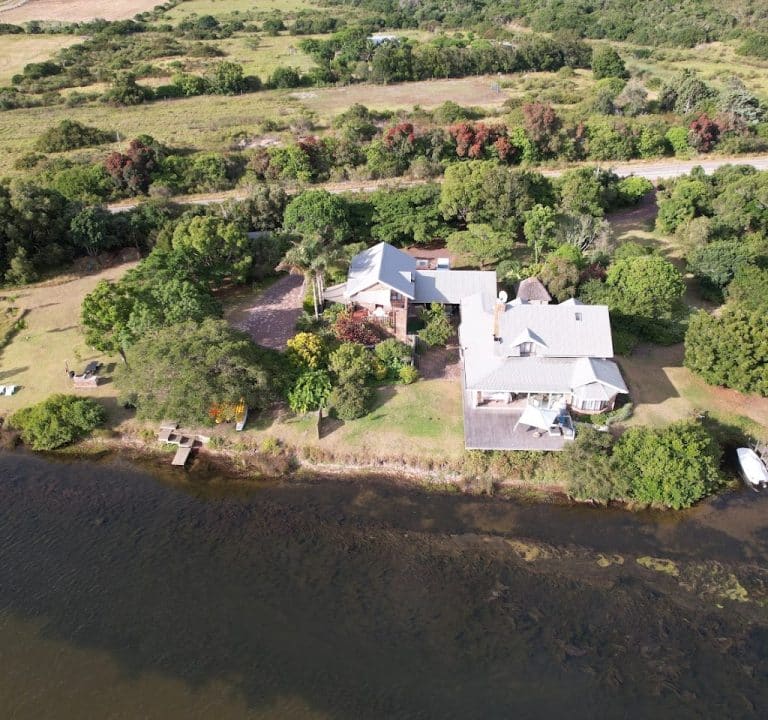
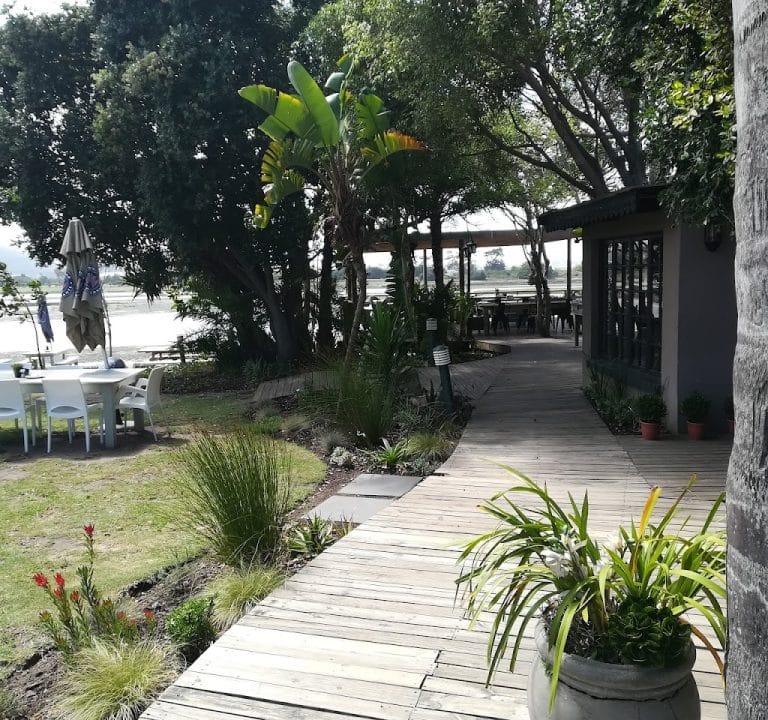
Areas to consider include central Plettenberg Bay, where you’ll find a concentration of shops, restaurants and easy beach access; Robberg Peninsula, famed for its scenic walks and wildlife sightings; Goose Valley and back‑water estates that offer steadfast privacy and garden surroundings; and the neighbouring coast and inland villages that provide a slower pace and sea‑oriented stays. If you prefer being near nature, an eco-friendly guest house such as Dankipa Eco Lodge can offer a more sustainable stay while keeping modern comforts. For families and groups, larger self‑catering properties and lodges with multiple bedrooms can be ideal, while couples might seek boutique B&Bs with personalised service and intimate lounges or verandas.
- Central Plettenberg Bay: convenient access to beaches, shops and eateries.
- Robberg Peninsula: proximity to nature trails and sea views.
- Goose Valley and surrounding estates: privacy and tranquil garden settings.
- The Crags and inland areas: a peaceful countryside escape with a rural ambience.
Typical amenities in Plettenberg Bay accommodation span comfortable en suite bedrooms, coastal‑style décor, free Wi‑Fi, and private or shared living spaces. Expect features such as outdoor pools or sun decks, breakfast options ranging from continental to full cooked offerings, and on‑site parking. A growing number of properties also offer eco‑friendly practices, such as solar power, rainwater harvesting and nature-friendly landscaping. If you’re travelling with little ones, check for family rooms, child‑safe spaces and on‑site equipment like cots or high chairs. For guests wanting independence, self‑catering apartments or houses can be a practical choice with fully equipped kitchens and living areas.
Getting around Plettenberg Bay is easiest with a car, and many visitors find that renting a vehicle provides the freedom to explore the coast and the Garden Route at their own pace. Public transport is available but infrequent to more rural areas, so taxi services or organised tours can help with day trips. If you’re staying near the coast, a short stroll or a waterfront walk can connect you to beaches and scenic viewpoints. For longer journeys, plan ahead for the route to George Airport or to the nearby towns along the route, and consider a flexible itinerary that balances beach days with nature outings.
The best time to visit Plettenberg Bay depends on what you want from your stay. The summer months bring warm days and calm seas, ideal for swimming, sunbathing and water‑based activities. Spring and autumn offer mild weather and quieter beaches, with good conditions for hiking and wildlife watching. Winter brings cooler seas and occasional swells, which can appeal to experienced surfers and those who enjoy cosy, fireside evenings after a day of exploration. If you’re keen on marine life, plan for the migratory and seasonal patterns rather than fixed dates, and always check regional weather and sea conditions before heading out on coastal walks or boat trips.
Booking tips to help you secure the best experience include: searching for properties that align with your priorities (beachfront access, privacy, or proximity to town); reading recent guest reviews to gauge current service levels; considering cancellation terms and seasonal pricing; and asking about practical details such as breakfast service times, on-site parking, and accessibility. When choosing a property, pay attention to the layout and privacy of rooms, especially if you value quiet mornings or late‑arrival flexibility. If you’re visiting with children or a group, confirm bedding configurations and common spaces to ensure everyone has space to relax after a day of exploring.
Attractions and activities in the Plettenberg Bay area are broad and varied. You can enjoy long sandy beaches for swimming, snorkelling and sunset strolls, and you’ll find nature reserves and coastal paths offering birdlife, marine views and chances to spot seals or dolphins from suitably vantage points. The region also provides opportunities for guided nature walks, boat trips, and gentle coastal hikes that suit different fitness levels. For dining, you’ll encounter a mix of seafood restaurants, casual cafés and elegant eateries that focus on fresh, locally sourced ingredients, often with outdoor seating to capitalise on the coastal climate. While specific venues and menus change over time, the emphasis remains on relaxed, unpretentious dining that complements a day spent outdoors.
Ultimately, Plettenberg Bay rewards visitors who approach a stay with curiosity and a flexible plan. Choose accommodation that fits your pace and privacy needs, map out a mix of beach days and nature activities, and leave room for spontaneous discoveries along the coast. Whether you prefer a stylish guest house like Dankipa Eco Lodge, a boutique stay close to the centre, or a secluded retreat with garden outlooks, Plettenberg Bay offers a welcoming base for exploring one of the Western Cape’s most admired coastal landscapes.