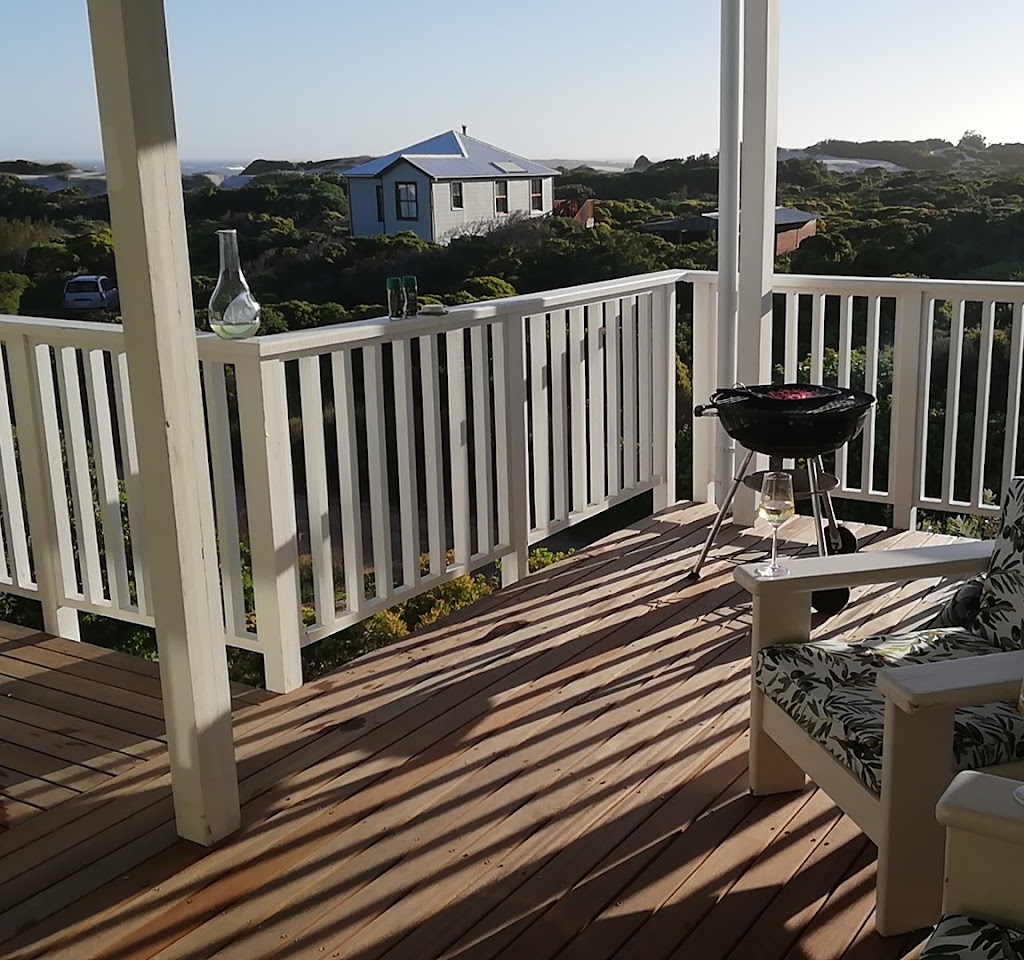
Accommodating Betty’s Bay: Where to stay and what to explore in this coastal gem
Betty’s Bay, tucked on the False Bay coast of the Western Cape, offers a rural–coastal escape that blends sea air, penguin sightings, and a slower pace of life. When planning a stay, consider the village’s two main appeals: convenient access to nature and a relaxed village atmosphere. From cosy bed and breakfasts to guesthouses with sea views, there are options to suit different budgets and travel styles. A stay at a small, locally run property, such as a B&B in the Da Capo category, often includes a personal touch, homemade breakfasts and insider tips on local walks and wildlife experiences.
Accommodation in Betty’s Bay tends to cluster along the coastal road and in the centre of the village. If you prefer a sea breeze and panoramic views, seek out rooms or self-catering units with balconies or private verandas facing the ocean. For a quieter base, small guesthouses tucked away in residential streets offer privacy and a more local vibe, while a few lodges and larger guesthouses nearby can provide additional space for families or groups. When choosing where to stay, think about proximity to the main beach, the penguin colony and the nature reserve, as well as access to a kitchen or kitchenette if you favour self-catering.
Typical amenities across Betty’s Bay’s accommodation include en-suite bathrooms, shared lounges, secure parking, and reliable wifi. Many properties offer breakfast, with some including evening meals or tea and coffee making facilities in common areas. If you’re planning birdwatching or hiking, check whether your host provides maps, trail recommendations, or board games for rainy days. For guests who value sustainability, look for properties that employ energy-efficient lighting, recycling practices, and water-saving devices, which help keep a coastal stay comfortable and responsible.
Booking tips: start by deciding whether you want a true town-centre stay or a more secluded, rural setting. Read recent guest reviews to gauge consistency in service, cleanliness and communication. Pay attention to cancellation policies and whether breakfast is included or if there are kitchen facilities for self-catering. Request a room with a view if scenery matters to you, and confirm parking arrangements if you’ll have a car. Consider the season; in winter evenings can be cooler, while summer can be busy with local visitors and warmer days. If you’re visiting during school holidays or whale-watching season, book early to secure a preferred option.
Getting around Betty’s Bay is straightforward, but having a car provides the most flexibility for exploring the surrounding area. Public transport is limited, so most visitors rely on private transport to reach the village, the penguin trail and nearby nature reserves. From many accommodations, you’ll find short drives to nearby towns along the coast for day trips, or you can arrange a guided outing through local operators. If you prefer not to drive, check whether your host can assist with transfers or suggest trusted driver services. For those who enjoy walking, several coastal paths and nature reserves are accessible on foot from mid-range distances, though some paths may be steep or uneven, so appropriate footwear helps.
Best time to visit Betty’s Bay hinges on what you seek. The warmest, sunniest period is typically from late spring through summer, perfect for beach days and sea swims when permitted. If wildlife interests you, plan for the cooler months when birdlife and the penguin colony can be readily observed from established viewing points. Spring (September to November) also brings blooming flora to the Helderberg region and nearby nature areas, adding colour to coastal walks. Autumn can be a peaceful shoulder season with milder weather and fewer crowds. Always check local weather patterns and sea conditions before coastal walks or water activities.
When planning activities, consider a mix of nature-based experiences and low-key village pleasure. A day near Betty’s Bay often starts with a walk along the beach or a sunrise visit to the penguin colony, followed by coffee and a light meal at a local cafe. The surrounding area rewards day-trippers with scenic drives along the coast, stops at viewpoints, and gentle hikes in protected areas. For longer excursions, you can extend your itinerary to nearby towns and nature reserves in the Western Cape, enjoying a blend of coastal scenery, endemic plants, and wildlife spotting without travelling far from Betty’s Bay.
Practical tips to maximise your stay:
- Pack layers: coastal weather can be changeable, with cool mornings and breezy evenings, even in summer.
- Bring sturdy footwear for coastal paths and rocky viewpoints; some trails are uneven.
- Respect protected areas and stay on marked paths to protect wildlife and flora.
- Check tide times if you plan beach visits or rock pools; some areas are safer at low tide.
- Support local businesses by dining at village eateries and shopping at small stores.
- Secure parking if you have a vehicle, and verify access times for any remote or hillside properties.
- Explore responsibly: bring water to stay hydrated on hot days and carry a light jacket for sea breeze evenings.
For inspiration on what Betty’s Bay has to offer and practical planning information, consider visiting official tourism resources. A mix of coastal scenery, wildlife watching opportunities and charming, resident-run accommodation makes Betty’s Bay a memorable base for exploring the Western Cape’s lesser-known corners. For ideas and practical planning, you can explore broader Western Cape and South African travel sites that highlight nature reserves, stroll-friendly coastal paths and family-friendly dining options. For specific accommodation details, regional guides and individual property pages often provide updated rates, inclusions and guest reviews to help you select the right place to stay during your visit.