Exploring Graaff-Reinet: Where to stay and what to do in the Eastern Cape
Graaff-Reinet sits high on the arid edge of the Karoo, surrounded by dramatic mountains and a calm, slow rhythm that rewards travellers who take a relaxed approach. When planning a stay, think about a neighbourhood that suits your pace: historic centre close to the town’s museums and churches, or a quieter escape on the outskirts with easy access to nature reserves and scenic viewpoints. Whether you favour a traditional guest house, a cosy B&B, a mid-range hotel, or a thatched lodge, Graaff-Reinet offers options that pair comfort with a sense of place.
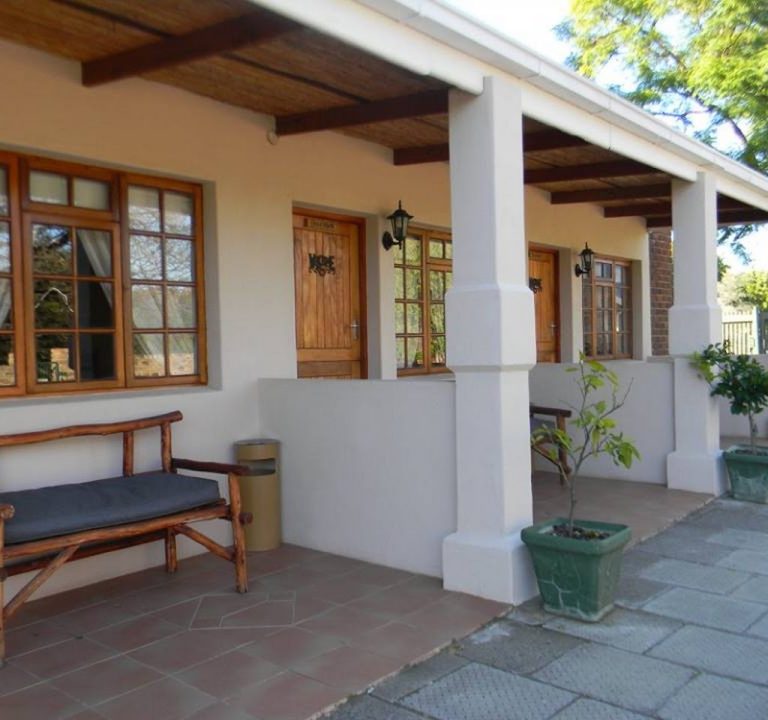
Guest houses and B&Bs form a strong spine of accommodation here, often charmingly individual and locally run. Expect warm hospitality, homemade breakfasts, and rooms that showcase Karoo textures—from white-washed walls and wooden beams to spotted tiles and mule-decorated courtyards. In addition to the human scale of service, many properties provide practical amenities such as free Wi‑Fi, secure parking, and straightforward guidance for onward travel. For visitors seeking a more contemporary stay, small boutique hotels frequently combine modern comforts with classic Karoo character.
When booking, consider what you value most: proximity to central attractions, unpacked luggage ease, or a peaceful rural setting. If you’re arriving by road, it helps to stay within easy reach of the historic main street, where most eateries, curio shops, and galleries are located. If you prefer the tranquillity of wide open skies, look for countryside-facing rooms or a guest house with a garden patio that catches sunrise light over the plains. Check whether the accommodation offers on-site amenities such as a continental or full breakfast, sincere hosts who can share local tips, and off-street parking if you plan to hire a car.
Typical amenities you may encounter include en-suite bathrooms, heaters or air conditioning (the Karoo can swing from chilly to warm), adjustable lighting for evening reading, and practical extras like small writing desks for notes or travel planning. Some establishments provide shared living spaces, seasonal outdoor pools, or shaded verandahs where you can reflect on the day’s adventures. If dining in is part of your plan, a few guest houses publicise a guest kitchen or offer dinner arrangements with local cooks. Always confirm the policy on early breakfast service if you’re catching an early start for day trips.
Transport between attractions in Graaff-Reinet is straightforward with a car, as many highlights lie beyond a short stroll from the town centre. A vehicle gives you maximum flexibility to explore the Valley of Desolation viewpoints, the Valley of Desolation itself, and nearby nature reserves where wildlife and expansive skies are the main events. If you’re not driving, check whether your lodging can arrange a taxi or shuttle for day trips, and plan your days around available public transport or organised tours. The town itself is walkable in parts, with some streets rich in Victorian and colonial architecture that reward slow perambulation.
The best time to visit Graaff-Reinet is set by what you want to experience. Spring (September to November) brings blooming succulents and milder days, while autumn offers a quiet atmosphere with comfortable temperatures. Winter can be colder, especially at night, but the dry air often makes for clear skies ideal for stargazing and dramatic sunrises. Summer brings warmth and longer days, with the possibility of occasional showers. Pack layers, a sunhat, a light waterproof, and sturdy walking shoes so you can enjoy both the town’s heritage and the surrounding landscapes without discomfort.
Dining in Graaff-Reinet is rooted in regional produce and homely cooking. Many restaurants emphasise comforting country fare, such as hearty stews, grilled meats, fresh salads, and seasonal vegetables, with menus that reflect the Karoo’s agricultural rhythms. For an authentic experience, seek places where the ambience is relaxed, the service is thoughtful, and menus highlight local ingredients. While prices and specific dishes change, you can expect welcoming environments where you can linger over a good coffee or tea and reflect on your day’s discoveries.
Some practical planning tips for a smooth stay:
- Book early in peak seasons such as school holidays and long weekends to secure a preferred room type and location.
- Request a room with good natural light if you plan to spend evenings reading or working in comfort.
- Ask about breakfast options, dietary accommodations, and any dinner arrangements if you prefer not to dine out every night.
- Clarify parking arrangements and access if you arrive late or plan early morning departures.
- Check cancellation policies in advance, particularly for longer stays or transfers between town and rural settings.
For a well-rounded stay, consider combining a couple of nights in a traditional guest house with a few days at a countryside property that offers expansive views and tranquil spaces. A sample gateway stay is provided by Cypress Cottage Guest House, which offers a characterful base in the town and a web resource for planning ahead: Cypress Cottage Guest House.
Beyond the built environment, Graaff-Reinet’s surroundings lend themselves to day trips that break up a visit with natural drama, historic sites, and cultural interest. Expect scenic drives, photographic viewpoints, and opportunities to learn about the area’s biodiversity and geology. When you return to your lodging each evening, you’ll have the comfort of a curated space that reflects the region’s history and its enduring sense of hospitality.
Overall, Graaff-Reinet offers a welcoming blend of accommodation styles with a sense of place that makes planning straightforward and stays memorable. With careful selection, your visit can strike a balance between restorative downtime and energising exploration, making the Eastern Cape’s Karoo heartland a fulfilling destination for travellers seeking authentic Southern Africa experiences.