Discover Pretoria: Where to Stay, Eat and Explore
Pretoria, the capital city of Gauteng, blends a leafy, often cooler climate with rich history, expansive parks and a thriving dining scene. When planning a stay, consider the city’s diverse neighbourhoods, from the cultivated embankments of the Jacaranda-lined avenues to the more tranquil, residential pockets that offer easy access to embassies, museums and nature reserves. Whether you’re seeking a boutique B&B, a guesthouse with homely touches, or a modern hotel close to major transport routes, Pretoria provides options to suit a range of itineraries and budgets.
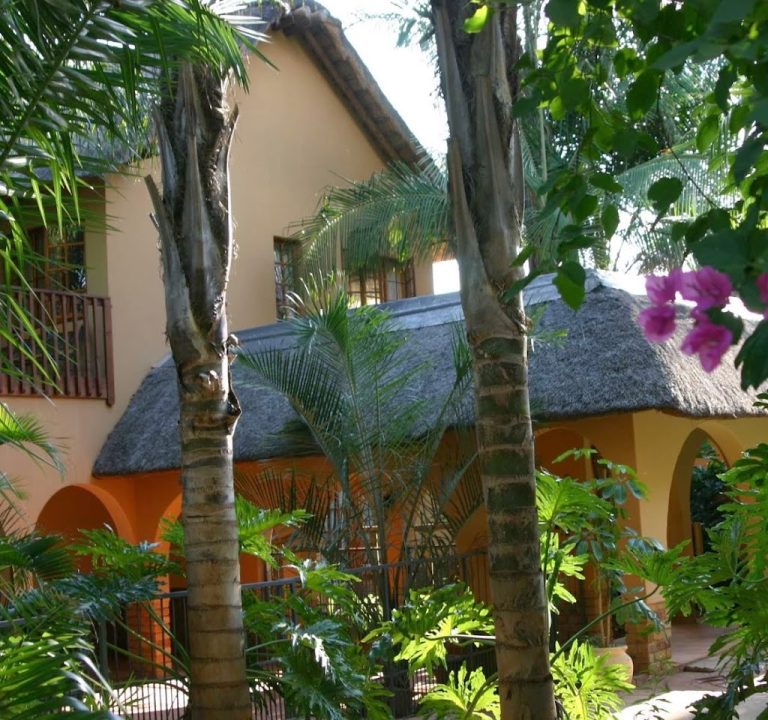
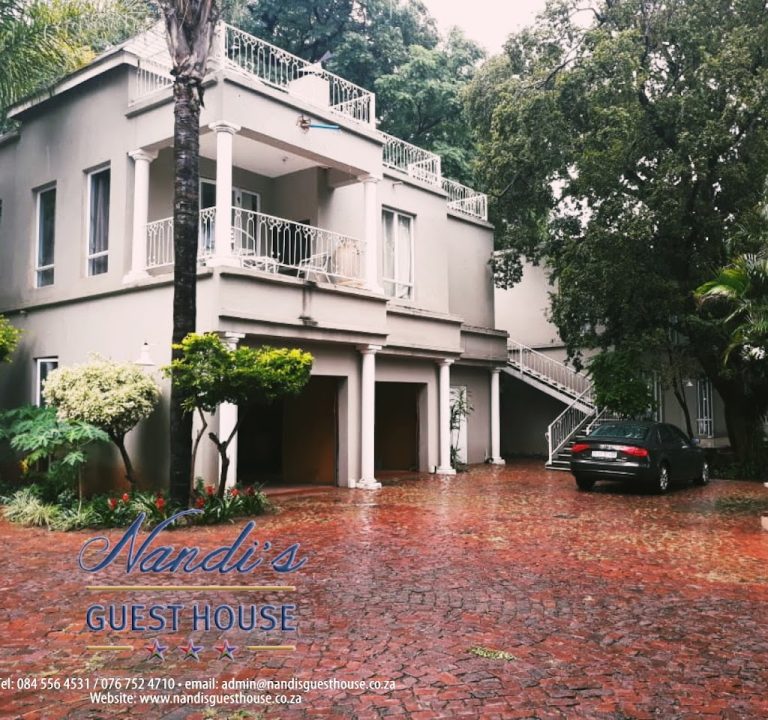
Accommodation in Pretoria often centres on accessibility and atmosphere. Guest houses and smaller boutique stays can provide a personalised flavour of the city, with hosts who offer practical tips, local restaurant recommendations and guided day trips. Larger hotels and lodges situate near business districts or at gateways to nature reserves, which is convenient for visitors with a tight schedule or families seeking facilities like pools and on-site dining.
When choosing where to stay, think about how you plan to move around. Gauteng’s road network is well developed, but traffic at peak times can be congested, so staying near a tube of sights can save time. If you’ll rely on public transport, look for properties close to major bus routes or within easy reach of the Gautrain corridor. For those seeking a more rural feel just outside the city, some guest houses offer tranquil garden settings and private entrances while still being within easy reach of central Pretoria attractions.
Typical amenities to look for include free Wi‑Fi, secure parking, en suite bathrooms, daily housekeeping, and flexible breakfast options. Some properties may offer self-catering facilities, laundry services, and shuttle arrangements to key sights or airports. If you value outdoor space, seek courtyards, balconies or garden areas where you can unwind after a day’s sightseeing. Many stays also provide recommendations on local walks, markets and hidden cafés—handy if you’d prefer to slip into a slower rhythm during your stay.
One notable example among Pretoria’s welcoming guest houses is Cuban Royal Palm View, a guest house that highlights thoughtful guest care and a comfortable atmosphere. While details and offerings may evolve, you can explore the property’s site for current features, rooms and booking information at Cuban Royal Palm View.
Best time to visit Pretoria depends on your priorities. Spring (September to November) brings mild temperatures and the city’s famous jacaranda blossoms, making it an ideal time for strolls through parks and historic streets. Summer (December to February) is warm and, at times, wet with afternoon thunderstorms, which can be refreshing but may affect outdoor plans. Autumn (March to May) offers pleasant weather and fewer crowds, while winter (June to August) brings cooler days that are still comfortable for museum days and city tours, especially if you plan to combine your itinerary with indoor attractions.
When planning a stay, consider these popular areas each with a distinct character:
- Central Pretoria and the Diplomatic Precinct professoriate area, close to museums, government buildings and embassies.
- OldENN and Brooklyn districts, known for leafy streets, cafés and proximity to universities and cultural venues.
- Hatfield and Menlo Park, lively neighbourhoods with eateries, markets and convenient transport connections.
- Rietondale and Arcadia, offering a mix of older homes, easy access to parks and a more relaxed pace while remaining close to the city’s core attractions.
A balanced itinerary could weave a morning museum visit with a mid‑day stroll through a garden or market, followed by a relaxed lunch at a local restaurant and an afternoon drive or tram stop to a nature reserve or city viewpoint. Pretoria’s attractions tend to combine historical intrigue with outdoor appeal. Depending on your interests, you’ll find avenues and parks that tell stories of the city’s past, as well as contemporary spaces for photography, shopping and people‑watching. Museums, monuments, and botanical gardens are frequently complemented by well‑maintained public spaces that invite leisurely exploration.
Food and dining form a big part of the Pretoria experience. The city’s culinary scene ranges from traditional South African fare to modern bistros and cosmopolitan eateries. Look for venues that showcase fresh, local ingredients and offer a relaxed environment where you can linger over a coffee or a shared plate with friends. If you’re unsure where to start, your host or accommodation staff can provide insider recommendations and help with reservations, particularly for popular weekend dining slots.
Practical tips for visitors:
• Pack layers to accommodate changing temperatures, especially if you’re exploring outdoor parks in spring or autumn. Sunscreen and a hat are useful for daytime outings.
• Check transport options ahead of time. The Gautrain line and local bus routes can simplify travel between key sights, while rideshare services are widely available for shorter hops.
• Confirm checkout times and any breakfast offerings when you book. Some places offer flexible self‑check‑out or compact breakfast baskets for early departures.
• Safety is improved by sticking to well‑lit, populated areas after dark and storing valuables discreetly when you’re out and about.
With thoughtful planning, Pretoria can offer a well‑balanced stay that blends comfortable accommodation with expansive green spaces, engaging culture and inviting dining. A well‑chosen base makes it easy to enjoy the city’s contrasts—from stately avenues and museums to markets, cafés and scenic viewpoints—without feeling rushed. For inspiration, browse the listings of guest houses and boutique stays in the central and southern districts, and consider booking with hosts who can tailor recommendations to your pace and interests.