Accommodation and planning for a stay in De Aar, Northern Cape
De Aar sits in the arid beauty of the Northern Cape, a practical base for travellers exploring the region’s vast skies, open landscapes and quiet, star-filled nights. The town provides a mix of lodging options from snug guesthouses and self‑catering units to small hotels and campground setups along the edges of the Karoo. When planning a stay, consider how you want to split your time between relaxation, exploration and day trips to surrounding scenery and cultural stops. The town itself is easy to navigate, and a well‑chosen base can make transport to local sights straightforward and comfortable.
Areas to consider for staying include central De Aar, where you’ll be close to shops, eateries and the town’s services; and outlying districts or countryside lodges for a more secluded, nature‑driven visit. Prospective guests should weigh the convenience of town streets and the quiet of rural settings. If you arrive by car, a central location often saves time in transit and reduces reliance on taxis or rideshares, which can be sparse in more remote hours. For travellers drawn to wide horizons and night skies, a property on the town’s edge may offer better views and a peaceful wake‑up call to sunrises over the Karoo.
When booking, look for several practical features. A reliable hot water supply and secure, on‑site parking are important in a desert climate. Availability of a kitchenette or self‑catering facilities can help manage meals when limited dining options are nearby. Air conditioning or effective cooling is a must for the hottest days, along with good ventilation for comfortable sleeping. Quiet rooms, good curtains or blinds, and a solid bed frame contribute to a restful stay, especially after long drives. If you plan to work or stream during your visit, ask about adequate bandwidth and a comfortable workspace. Many properties in De Aar offer braai facilities or outdoor cooking spaces, which can be a sociable way to dine under the Karoo night air.
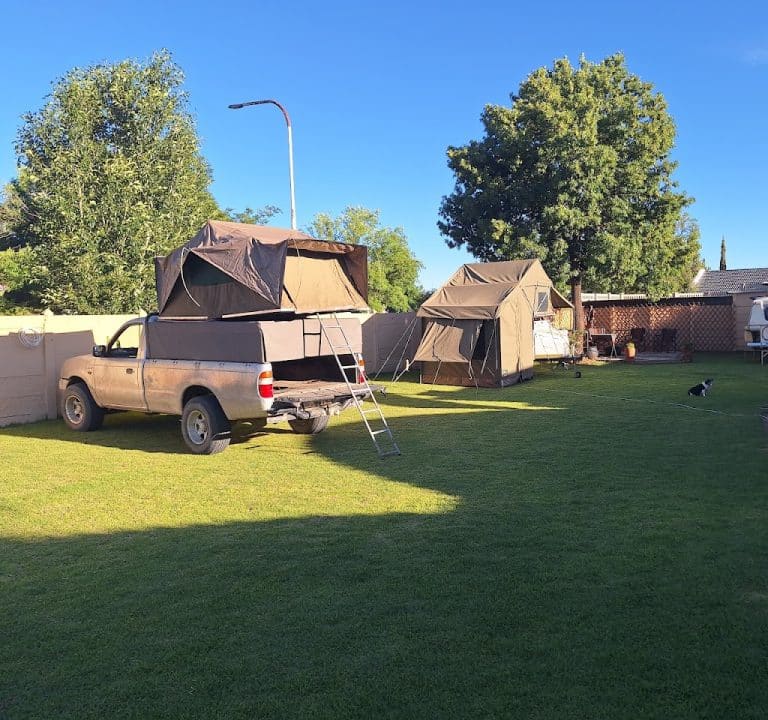
Typical amenities you may encounter include free parking, continental breakfast options, hot meals on request, laundry facilities, and on‑site entertainment areas. Some guesthouses and campgrounds provide comfortable communal facilities, shaded outdoor spaces, and secure storage for bikes or gear. If you’re staying at a campground, be prepared for hostel‑style conveniences or gravel pitches with power points; some sites also offer shaded camping bays and nearby access to walking trails or wildlife viewpoints. Always confirm the availability of essential services for your stay, especially during the peak heat of the season when demand can influence access to certain facilities.
Transport in De Aar is best approached with a car or organised tour arrangements. The town is a practical hub for regional day trips, and road connections are typical of the Northern Cape. If you’re flying into the area, check nearby transport options and the latest local advice on road conditions and weather. It’s wise to plan fuel stops and water supplies for longer excursions, as services can be widely spaced between villages and attractions. A well‑laid plan reduces the risk of delays when you are trying to maximise your Karoo experience.
The best time to visit De Aar aligns with seasonal weather patterns. Winter months can be pleasantly cool, ideal for outdoor exploration and photography with clearer skies. Spring and autumn offer comfortable daytime temperatures for longer sightseeing itineraries, while the summer season brings heat that makes early starts and shaded breaks especially appealing. Irregular weather can occur, so packing layers, a sunhat, sunscreen and sufficient water is sensible for any time of year. If you’re chasing stargazing opportunities, the dry, dark skies after sunset are a notable draw, particularly outside of peak pollution periods in larger towns.
Practical tips to make the most of your stay:
- Book in advance during high‑season travel and school holidays to secure preferred rooms or pitches.
- Ask about security features, night lighting and alarm systems, especially for rural locations.
- Check whether the venue offers cooking facilities, or whether you’ll dine out at nearby eateries. Consider a small stock of groceries for the first evening if you arrive late.
- Confirm access times to any facilities or shared spaces if you’re arriving outside typical hours.
- Bring necessities for hot days and cool nights: water, hats, sunscreen, a light jacket and a compact first‑aid kit.
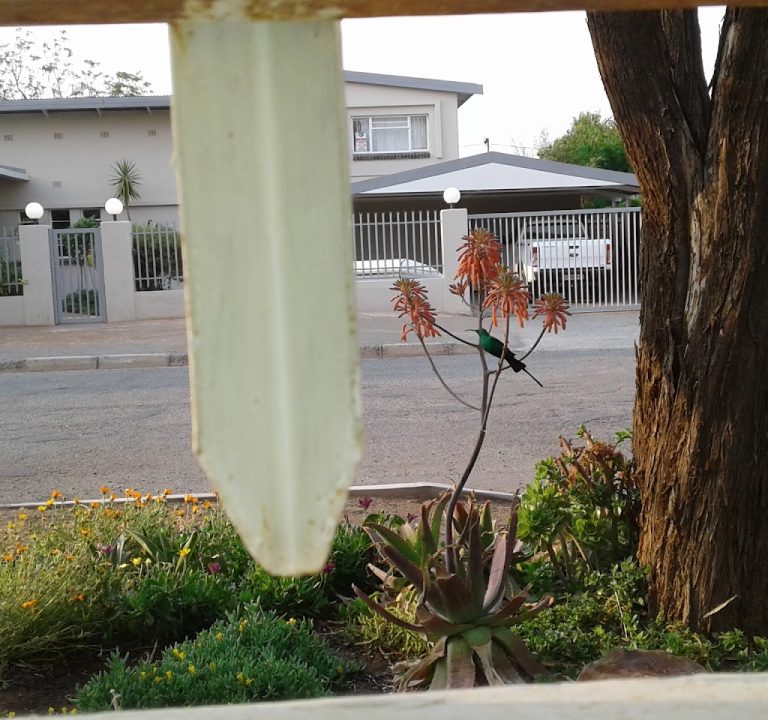
Attractions and experiences in De Aar are best approached with a broad view of availability. The region’s appeal sits largely in its landscapes and the tranquillity of the Karoo, with opportunities to observe wide horizons, birdlife and desert flora. Visitors commonly combine a stay with gentle walks, photography sessions at sunrise or sunset, and excursions to nearby natural or cultural sites. For dining, local eateries offer straightforward, comforting meals and regional flavours, where you can sample hearty fare after a day of travel or outdoor activity. If you prefer structured itineraries, consider guided tours or day trips that focus on the history of the area, its rail heritage or its role within the wider Karoo network of towns and farms.
Campers and those seeking a closer connection with the outdoors can consider campsites such as Crux Crescent Camping, which can serve as a straightforward base for experiencing the surrounding landscape. Whether you choose a serviced room, a self‑catering unit or a shaded camping spot, De Aar offers approachable options for travellers seeking value, simplicity and a pace of life that suits the Karoo environment. With thoughtful planning and clear expectations about facilities and transport, a stay in De Aar becomes a relaxed and rewarding chapter of a South African road journey.