Stellenbosch: Accommodation, attractions and planning a memorable stay in the Western Cape
Stellenbosch is a historic university town set against the backdrop of the Cape Fold Mountains, renowned for its grape-rich landscape, gracious guesthouses and a welcoming pace that suits travellers seeking a blend of culture, wine and scenic beauty. When planning a stay, consider the different neighbourhoods and how they align with your priorities—whether you want easy strolls to the town centre, quick access to wine estates, or a quieter base near forests and hills for hiking. A mix of boutique guesthouses, family-run BnBs and small hotels can be found within easy reach of Stellenbosch’s cafes, museums and university heritage, often with outdoor spaces, pool areas and garden seating that invite relaxed evenings after day trips.
Areas to consider include the town centre, which offers walkable access to most amenities and a compact historic core with colonial and Cape Dutch influences. Suburbs closer to the surrounding vineyards provide a tranquil countryside feel, with many properties offering sweeping views, private terraces and landscaped gardens. For visitors who want proximity to nature, hillside pockets and quiet lanes deliver a restful base from which to explore wine routes and nature reserves. When booking, look for the following practical criteria to ensure a comfortable stay.
- Location relative to the places you plan to visit (town centre vs. winery routes vs. outdoor trails).
- Room configuration and privacy, especially for families or groups.
- Availability of on-site parking and secure access.
- Guesthouse policies, including breakfast options and self-catering facilities.
- Access to reliable wi‑fi, quiet rooms for work or reading, and a friendly reception team.
Typical amenities you may encounter include a hearty breakfast featuring local produce, a swimming pool, garden seating for al fresco meals, and well-kept communal spaces. Many guest houses and boutique hotels in Stellenbosch pride themselves on personalised service, with hosts happy to offer ride suggestions to restaurants, vineyards and nature trails, as well as customised day trips. For those who enjoy a more independent stay, self-contained suites or cottages within a guest house can provide a convenient balance between privacy and hospitality.
Transport options are versatile. In addition to taxi and rideshare services, the town is well-served by road connections to the broader Western Cape wine regions and to Cape Town. Renting a car offers the most flexibility for vineyard visits and scenic drives, while a local hop-on hop-off or guided day tours can simplify the logistics if you prefer not to drive. If you arrive by train or bus, many accommodation providers offer convenient connections to the station or stop nearby, and some properties are within a short stroll of the town centre’s vibrant streets.
Best time to visit depends on what you wish to experience. Spring (August to October) brings colourful gardens and pleasant walking weather, while late summer (February to April) coincides with grape harvests in the surrounding estates and calmer visitor crowds. Autumn and winter can be cooler, but visitors can still find warm hospitality indoors—perfect for enjoying a fireside chat with a local vintner or a cosy dinner at a nearby restaurant. If you are planning outdoor activities such as hiking or cycling, pack layers for changing conditions and consider early starts to make the most of the daylight hours.
Restaurant and dining culture in Stellenbosch is diverse, ranging from casual bistros to more refined dining rooms that showcase South African produce and international flavours. As in many wine regions, the emphasis is on fresh ingredients, seasonal menus and a welcoming atmosphere. When choosing dining options, consider proximity to your accommodation to minimise travel after an evening out. For a balanced plan, pair a day of light sightseeing with a relaxed dinner in a nearby kitchen- or chef-led venue that prioritises local suppliers and sustainability.
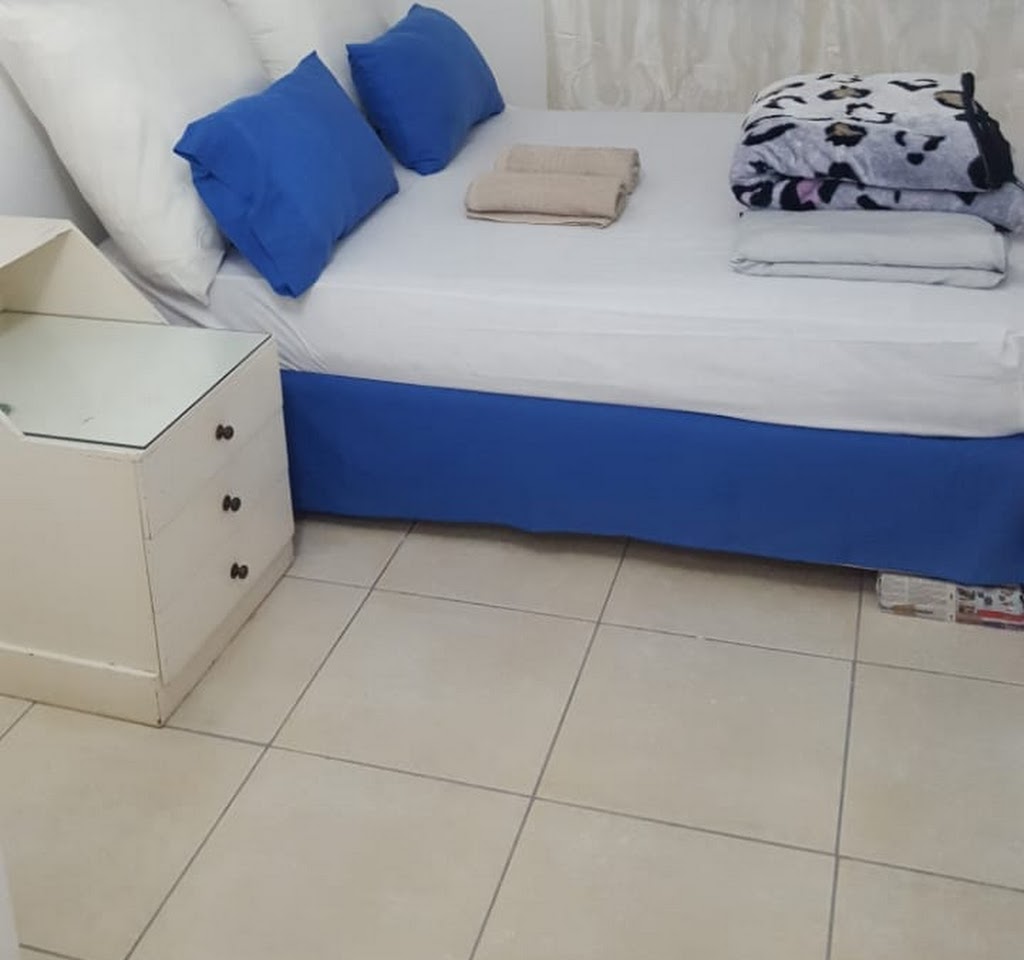
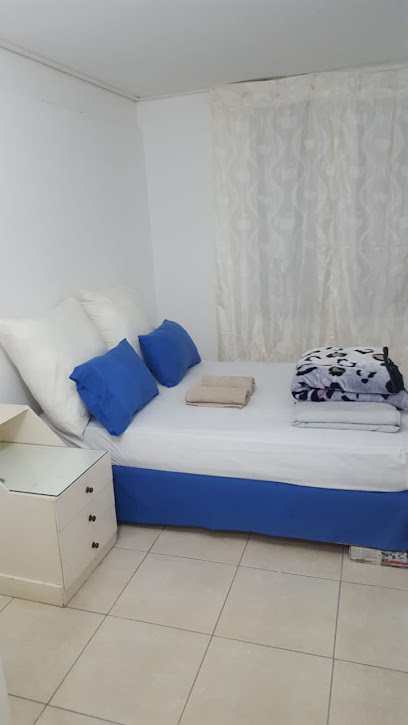
Accommodation can include family-owned guest houses, modest BnBs and small hotels. A well-regarded option in the guest-house category is Crane Backpackers, noted for its warm reception and central location that can suit travellers who value sociable common spaces and straightforward access to Stellenbosch’s core attractions. Regardless of choice, it is helpful to communicate any special requirements ahead of arrival—such as dietary needs, accessibility concerns or mobility requirements—to ensure a smooth stay from check-in to check-out.
Planning a stay in Stellenbosch also offers opportunities to combine accommodation with experiences. Wine tastings and cellar tours are a cornerstone of the region, often accompanied by insights into terroir, grape varieties and historic estates. Depending on your interests, you might arrange scenic drives, woodland trails or safe cycling routes that reveal the surrounding winelands and olive groves. For art and culture lovers, a visit to the town’s museums and galleries can complement days spent exploring the university precinct and the town’s preserved architecture. Always check for local seasonal events and markets, which can add a lively dimension to your itinerary without overwhelming your schedule.
In planning your stay, consider these practical tips: book well in advance for peak periods or special weekends; confirm what is included in the rate (breakfast, parking, Wi‑Fi); check cancellation policies; and read recent guest reviews to gauge consistency in service and cleanliness. With thoughtful planning, Stellenbosch offers a relaxed yet vibrant base for exploring the Western Cape’s famed wine routes, historic streets, and scenic landscapes while delivering comfortable, traveller-friendly accommodation that makes the most of the region’s hospitality.