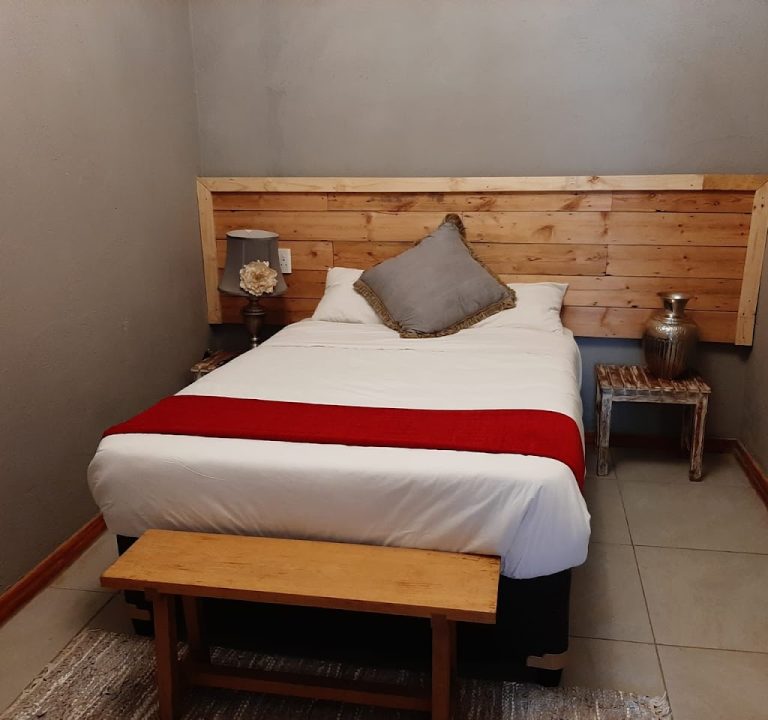
Accommodation and Getting the Most from Your Stay in Belfast, Mpumalanga
Nestled in the highveld of Mpumalanga, Belfast offers a calm base for visitors keen to explore the scenic surrounds while enjoying welcoming, small-scale stays. The town is well placed for day trips into the heart of the Panorama Route country, where forests, viewpoints and gorges frame the South African landscape. Staying in a guest house, lodge or cosy bed-and-breakfast can provide a personalised welcome after days spent outdoors, with hosts often happy to share local tips on trails, birdlife and convivial eateries.
When selecting accommodation in Belfast, consider the area you’d like to base yourself in. A rural or village setting brings a sense of retreat and quiet, while staying near the main roads can cut travel times if you plan numerous day trips. Look for properties that clearly describe the type of room and whether private bathrooms are included, as well as whether meals are available on-site. Many small guest houses in this region offer breakfast as a standard inclusion, with optional evening meals or recommendations for nearby restaurants in the town.
Typical amenities to look for include free parking, reliable Wi-Fi for planning daily excursions, and secure access or a staffed reception. In smaller guest houses, a hospitable host who can tailor tips to your interests—whether you’re chasing birdwatching, hiking, or a scenic drive—adds significant value. If you’re travelling during peak tourist periods, check whether early check-in or late check-out can be accommodated, and whether there are family-friendly rooms if you’re travelling with children.
Transport around Belfast and the greater Mpumalanga region is best planned with flexibility in mind. Car hire is common and often the most convenient way to access viewpoints along the Panorama Route and to reach towns like Graskop, Sabie or nearby nature reserves. If you prefer not to drive, some guest houses offer shuttle services or can arrange guided day trips with reputable operators. A map or local knowledge from your host can also help you navigate smaller country roads, where signage may be limited and travel times longer than expected.
Best time to visit Belfast depends on your priorities. The highveld climate brings cooler mornings and evenings, with the possibility of afternoon showers in the warmer months. Spring and autumn offer pleasant temperatures for walking and hiking, while winter mornings can be crisp and clear, ideal for photography and stargazing if skies are unclouded. The region’s natural beauty shines throughout the year, but plan for seasonal rain if you intend to explore forest trails or river gorges after heavy weather.
For those seeking a curated plan, consider a balanced itinerary that combines nature with light cultural flavours. Start with a gentle day of forest trails or scenic viewpoints, followed by a visit to nearby towns and markets where you can sample local cuisine and crafts. Evening meals at a guest house or a recommended on-site dining option can provide a cosy end to the day. In Belfast itself, and the surrounding area, you’ll find intimate dining rooms and family-run eateries where portions are hearty and hospitality is designed to make you feel at home.
Booking tips to help you secure the best experience:
- Read guest reviews focusing on service consistency, cleanliness, and the accuracy of room descriptions.
- Check what is included in the rate (breakfast, on-site parking, Wi-Fi) and whether additional charges apply for meals or activities.
- Confirm cancellation policies and any seasonal restrictions that may affect your plans.
- Ask hosts about their area recommendations for walks, viewpoints, and local eateries to avoid time lost researching on arrival.
While planning, keep a flexible mindset. The beauty of Belfast and Mpumalanga’s surrounding landscapes allows for spontaneous detours to more secluded spots, or a relaxed day at a guest house garden or veranda. It’s worth noting practicalities such as bringing a light rain jacket for sudden showers and a pair of comfortable walking shoes for forest trails and gentle hikes. If you are keen on photography, early mornings can reveal mist and colour that highlight the dramatic scenery across valleys and far horizons.
Attractions in the broader region are varied and rewarding even when you’re not chasing grand ordeals. Consider a scenic drive to viewpoints overlooking dramatic cliffs and river canyons, or a countryside stroll that reveals the quiet beauty of Mpumalanga’s forests. For diners, the local dining scene tends to emphasise fresh produce and comforting, well-cooked fare, with menus often featuring country favourites alongside contemporary takes on traditional dishes.
To help you plan ahead, you can explore official tourism resources for Mpumalanga and South Africa, which offer practical information on attractions, safety, transport, and visitor tips. If you’re considering a stay that aligns with a more intimate, guest-house experience, Belfast’s charm lies in the personalised service, restful rooms, and the chance to meet hosts who are passionate about their slice of Mpumalanga.
For more information and ideas on trips in Mpumalanga, you may wish to visit official tourism pages or regional guides available online. Where possible, use reputable sources to assemble your itinerary, ensuring you have a balanced mix of outdoor time and comfortable, friendly accommodation to return to at the end of each day.