Johannesburg: Accommodation and Getting the Most from Your Stay in Gauteng
Johannesburg, known to locals as Jo’burg or Jozi, offers a dynamic mix of urban culture, historic sites, and easy access to surrounding Gauteng attractions. When planning a stay, travellers should consider a neighbourhood that matches their interests, whether that’s modern city living, art and design hubs, or leafy residential neighbourhoods with convenient transport links. A stay centred around well connected districts can maximise your time for exploring and dining without long commutes.
Areas to consider for accommodation range from compact inner-city apartments to contemporary boutique stays in vibrant neighbourhoods. For visitors who want easy access to galleries, street art, markets, and hip coffee shops, districts with a strong creative footprint are appealing. If you prefer a more polished business or luxury feel, you’ll find hotels and serviced apartments near major business precincts, with good access to conference venues, shopping complexes, and all-day dining. Families and longer visits often opt for stays in areas with a calmer residential pace, while still being well connected to central attractions.
When choosing where to stay, look for these practical factors. Proximity to public transport or reliable ride-hailing access can cut transit time significantly. Check whether the property offers on-site parking or convenient street parking rules. Consider the reception and security arrangements, especially in busy city districts. A well-equipped kitchen or kitchenette can be a big plus for longer visits, while reliable wifi and workspace can make a difference for travellers who need to balance downtime with work tasks. Cleanliness, heating or air conditioning, and good water pressure in bathrooms are important, particularly for stays in the warmer or cooler months when comfort matters most.
Typical amenities you might encounter include: a well-equipped kitchen or kitchenette, ample storage space, in-room climate control, a comfortable bed with quality linens, a safe for valuables, and access to shared or private lounges, terraces, or courtyards. In many boutique or serviced options, you’ll find a stylish design ethos that reflects the city’s energy—think contemporary finishes, clever storage solutions, and thoughtful textures. Accessibility features, laundry facilities, and thoughtful guest information packs with local tips can enhance your stay, especially if you are visiting for the first time.
Transport in Johannesburg is well serviced by a combination of road networks, authorised ride-hailing options, and, in some areas, rail services. Many accommodation options provide convenient access to major arterials and central hubs, making day trips to nearby attractions straightforward. If you plan to visit multiple neighbourhoods, a central base with good public transit links can reduce travel time and allow you to maximise your itinerary. For guests staying in inner-city or popular neighbourhoods, compact, walkable streets with entertainment, coffee culture, and casual eateries can be especially appealing.
The best time to visit Johannesburg depends on your priorities. Spring and autumn generally offer pleasant temperatures for outdoor exploration and city sightseeing. Summer brings warmer days, and occasional afternoon thunderstorms, which can be dramatic and refreshing after a day of touring. Winter is milder in the city compared with coastal destinations, but evenings can be cool, so pack layers. If your plan includes outdoor markets or al fresco dining, aligning your visit with local event calendars can enhance the experience. Always consider the time of year when arranging any outdoor activity schedule or early-morning safaris or day trips to nearby natural areas.
For attractions, Johannesburg offers a varied mix from heritage-focused museums and memorial sites to modern shopping pockets and green spaces. Many visitors enjoy learning about the city’s history, exploring large urban parks, and discovering ongoing art and design projects in revitalised districts. Don’t overlook neighbourhoods where street life, galleries, and local eateries converge; these areas often provide a genuine sense of the city’s creative pulse. Dining options range from casual neighbourhood spots to more refined restaurants, with an emphasis on contemporary cuisine that draws from diverse culinary influences. When planning meals, it’s worth booking ahead during peak times or seeking local recommendations to discover hidden culinary gems.
As for guest experiences and practical planning, keep a small folder of local tips handy. Note the nearest supermarket or market for snacks and essentials, the closest healthcare facilities, and the best routes to your day’s destinations. If you plan to visit multiple sites, a loose daily plan with buffer time for travel helps you avoid rushing and allows for spontaneous discoveries. When booking accommodation, read reviews focused on cleanliness, proximity to sights, and the responsiveness of the host or management team. Confirm cancellation policies and whether the property offers flexible dates, particularly if your plans may shift.
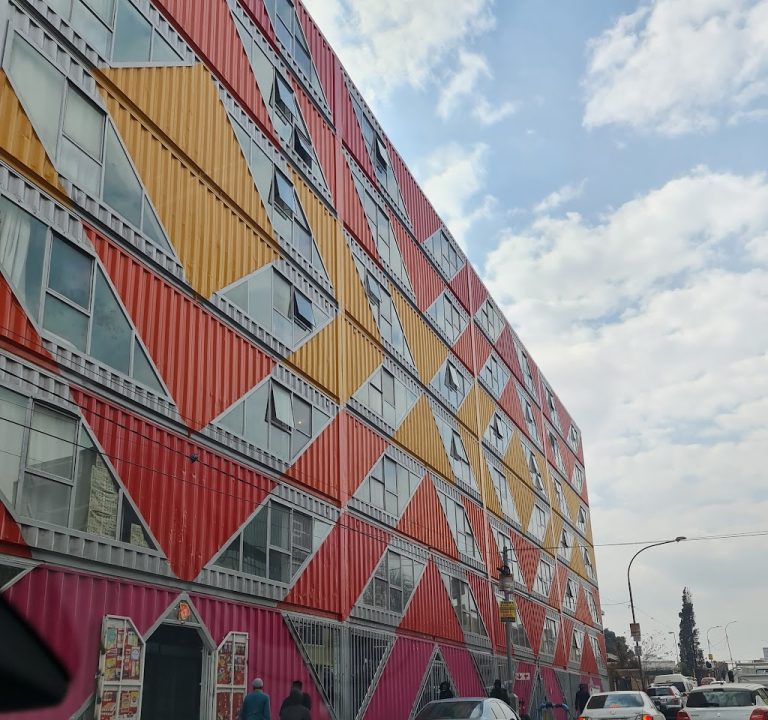
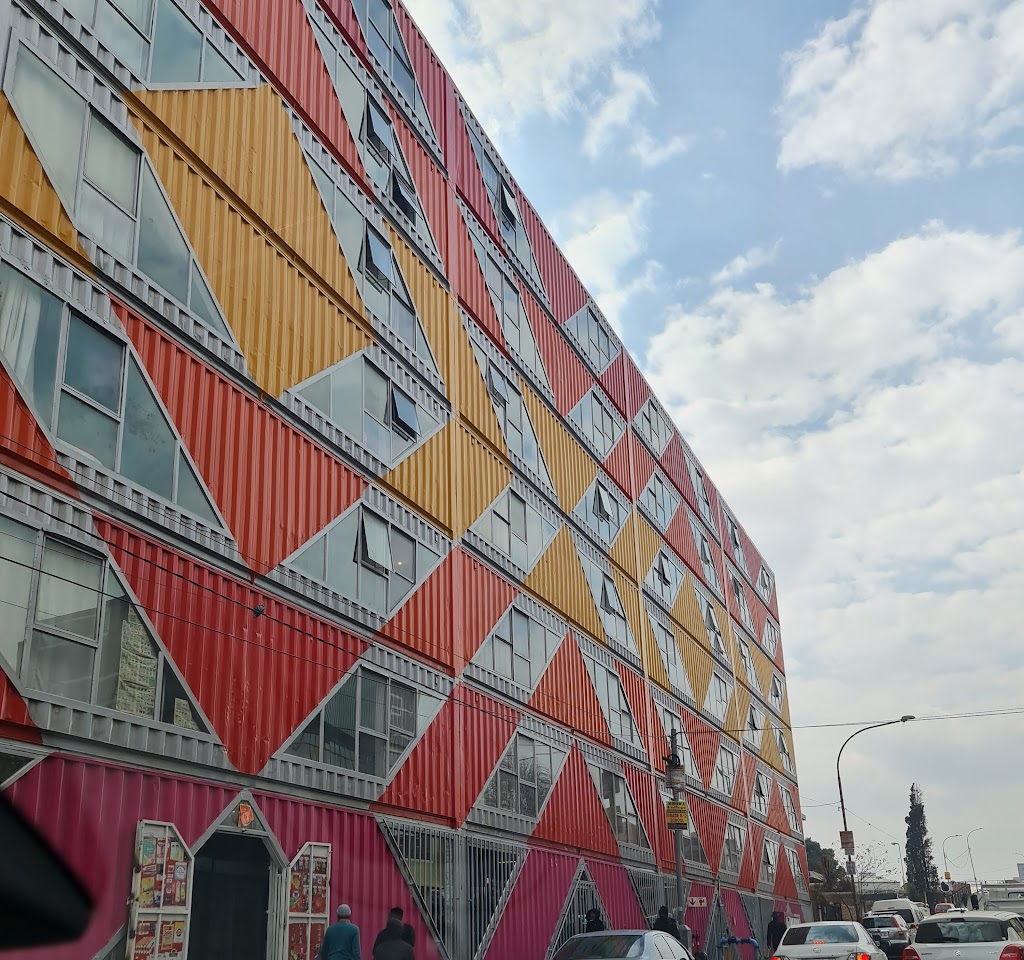
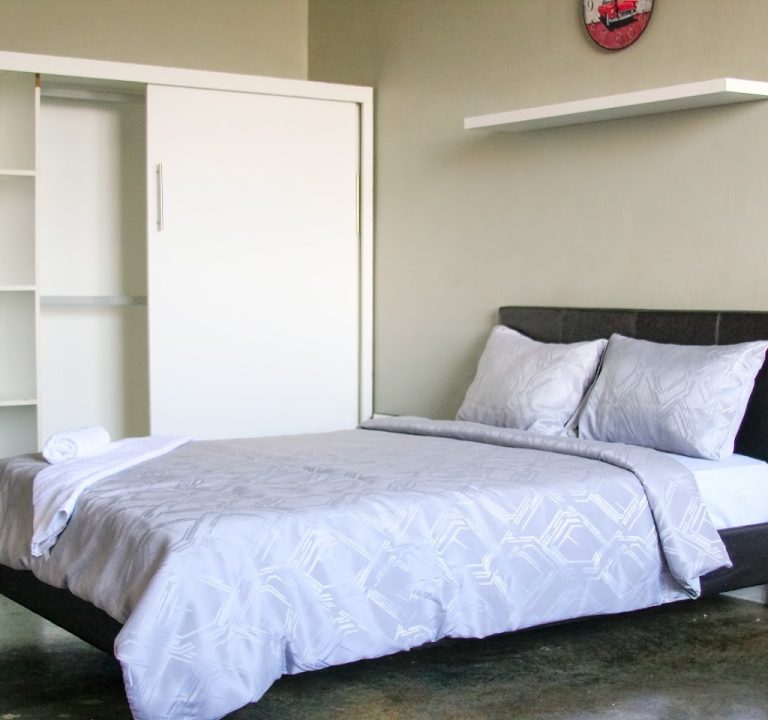
For a sample stay that emphasises city living with a strong sense of place, consider a modern, comfortable apartment in a lively district that suits your pace. A connected base near cafés, galleries, and markets can be ideal for exploring Johannesburg’s urban heartbeat, while still offering a peaceful retreat at the end of the day. If you’re curious about contemporary inner-city living in Johannesburg, the listing “Cozy, Modern Living In Maboneng: 104” provides a practical example of a well-connected indoor lodging option, with a link to the property page for more details and booking information: Cozy, Modern Living In Maboneng: 104.
In short, plan around a stay that minimises daily travel, maximises access to transport, and keeps you close to the city’s creative and cultural highlights. With thoughtful preparation, Johannesburg can offer a memorable and comfortable base from which to explore Gauteng’s capital and its surroundings.