Cape Town: Accommodation, Attractions and Practical Planning for Your Stay
Cape Town, set between the Atlantic Ocean and the iconic Table Mountain, offers a diverse range of places to stay and a wealth of experiences that suit every traveller. Whether you favour city chic, beachside relaxation, or a country retreat with easy access to vineyards, the Western Cape capital has options that can be paired with memorable dining and sightseeing itineraries.
When planning a stay, consider which neighbourhoods align with your interests and pace. The City Bowl and the historic inner harbour area provide easy access to museums, markets, and nightlife, while the Atlantic Seaboard communities along the coast offer dramatic views, cliff paths, and direct access to beaches. For a more laid‑back, leafy setting close to wine lands and nature, Constantia and nearby Muizenberg or Hout Bay offer distinct appeals. If you’re drawn to grand architecture and a waterside ambience, the V&A Waterfront area combines hotel options with convenient access to harbour cruises and harbour-side dining. For families or longer stays, self‑catering flats and guesthouses in residential neighbourhoods can provide a home‑from‑home feel with enhanced privacy.
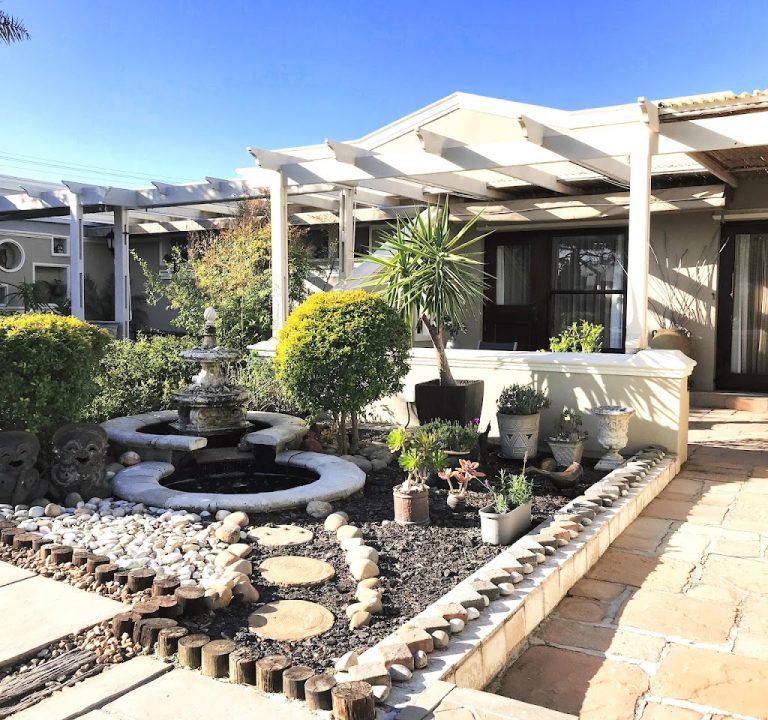
Accommodation options range from boutique hotels and guesthouses to self-catering apartments and luxury lodges. Typical amenities to look for include reliable Wi‑Fi, secure parking or easy access to public transport, on‑site dining or nearby eateries, complimentary breakfast, and options for late check‑in. Some properties offer flexible cancellation policies, which can be helpful given Cape Town’s weather variability or changing travel plans. If you are exploring wine routes, many lodges and guesthouses in the Constantia region provide tranquil settings with easy drives to neighbouring estates. A notable example in the Constantia area is Constantia Lazy River, a hotel that blends country serenity with proximity to Cape Town’s urban attractions; further details are available at its website lazyriver.co.za.
Transport is a practical consideration in Cape Town. The city offers a modern MyCiti bus network in central areas and along major corridors, handy for visitors staying near the City Centre or the V&A Waterfront. Uber and other ride‑hailing services are widely used and convenient for evening dining or excursions to the southern suburbs. If you plan to explore beyond the city, a rental car offers flexibility to reach Constantia’s vineyards, Chapman's Peak Drive, and the scenic Atlantic coast at your own pace. For day trips to the Cape Peninsula, having a car is particularly beneficial, though guided tours and transfer services are available for those who prefer not to drive along winding coastal routes.
Best time to visit Cape Town depends on what you want to do. Dry, sunny weather from spring to autumn (September to April) is ideal for outdoor activities, beaches, and outdoor markets. Winter (May to August) is cooler and wetter, but you can still enjoy city culture, museums, and indoor attractions, often at fewer crowds. Spring and early autumn can offer a pleasant balance of mild temperatures and shorter queues at popular viewpoints. If you plan to visit the Stellenbosch and Constantia wine routes, late summer to early autumn tends to be a busy time, so booking accommodation and tastings in advance is wise.
When selecting a place to stay, consider access to well‑lit walkways, the walking distance to shops and eateries, and the ability to enjoy terraces or gardens. South Africa’s culinary scene is diverse and increasingly vibrant, with an emphasis on fresh seafood, farm‑to‑table produce, and multicultural flavours. In many neighbourhoods you’ll find a mix of casual eateries, traditional bistros, and high‑quality dining rooms, so you can enjoy easy first meals close to your lodging or plan a special evening out in a different area each night.
Practical planning tips:
- Check the neighbourhood’s profile for safety and quiet hours, especially if you plan late dinners or early mornings for hikes or dawn viewpoints.
- Confirm whether the accommodation offers secure parking if you intend to hire a car.
- Ask about temperature control and heating/canopy options for cooler evenings or winter comfort.
- Plan a mix of activities to balance time in the city with day trips to the coast or wine regions.
- Include at least one scenic drive, such as Chapman's Peak or Constantia’s Green Belt routes, to appreciate Cape Town’s natural landscapes.
Beyond where you stay, the city’s attractions span natural beauty and cultural experiences. You can explore the top‑tier viewpoints along the Atlantic Seaboard, take a cable car up Table Mountain for panoramic vistas, wander the Company’s Garden and nearby museums, or wander through historic districts filled with colourful façades and markets. Dining experiences range from welcoming neighbourhood eateries to refined venues offering seasonal menus with ocean‑influenced ingredients. For a broader sense of place, consider a gentle harbour stroll, a short trip to nearby coastal towns, or a wine‑and‑dine afternoon in Constantia or nearby Stellenbosch.
In short, Cape Town rewards thoughtful planning. Pair the right accommodation with a balanced itinerary, and you’ll experience a city that offers both energy and relaxation, with the region’s landscapes and flavours as a daily backdrop. For accommodation that emphasises a serene country atmosphere within reach of the city’s attractions, Constantia Lazy River represents one option among many thoughtfully located stays, and visitors can learn more about it through its official website.