Accommodating Colesberg: Where to stay and what to do in a gateway of the Northern Cape
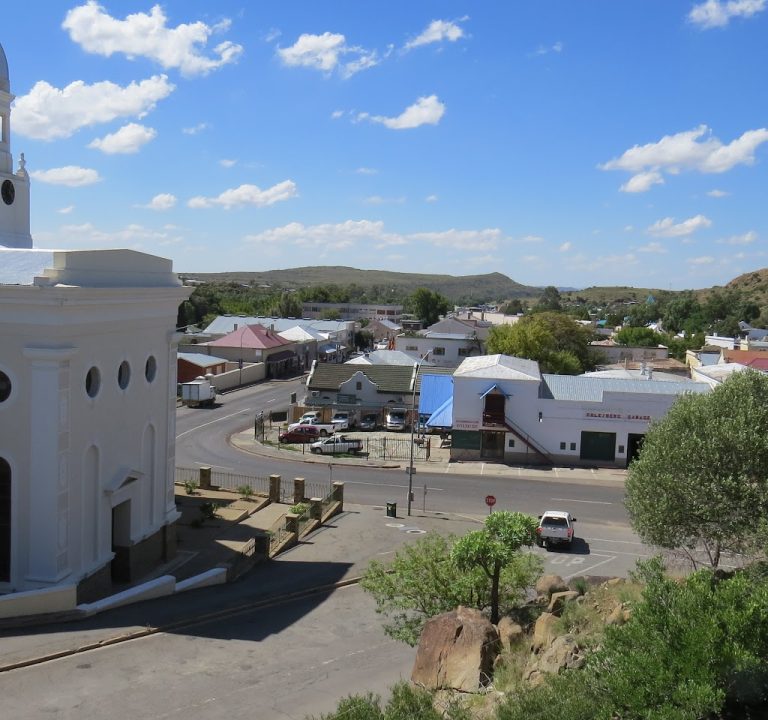
Colesberg sits along the length of the Great Karoo, where wide skies, open plains and a warm welcome define a stay that feels a little timeless. For travellers exploring this part of the Northern Cape, the town offers guest houses, small hotels and countryside inns that serve as comfortable bases for day trips, historical appreciation and starlit evenings. When planning a visit, think about the pace you want and the scenery you favour—the town and its surrounds reward both slow, contemplative stops and longer sojourns with plenty of nearby activities.
Accommodation in Colesberg tends to centre around a few well‑established options, many of which emphasise a house‑proud sense of hospitality and practical convenience. In addition to traditional guest houses, you’ll find boutique stays and modest lodges that suit different budgets and travel styles. A key advantage of staying in Colesberg is the ability to base yourself within easy reach of the town’s historic core while also feeling the landscape’s wide horizons on your doorstep. If you choose a guest house such as Coniston Guest House, you can expect a thoughtful setup that blends home‑from‑home comfort with personalised service—often including cosy communal spaces, secure parking, and clean, well‑appointed rooms.
What to look for when booking in Colesberg
- Location in relation to town centres and routes: a central or easily accessible position can save time and reduce driving fatigue if you plan day trips or early starts.
- Room configuration and privacy: consider en‑suite bathrooms, space for luggage, and quiet rooms if you’re travelling with children or in quiet time.
- Amenities and practical extras: reliable heating or air conditioning, quality bedding, safe parking, a dining option on site or nearby, and simple self‑cuff provisions like tea and coffee facilities.
- Cancellation policies and flexibility: during transitional seasons, flexible terms can be valuable if weather or plans change.
- Character and atmosphere: Colesberg stays often reflect Karoo heritage, with fireplaces, wooden features or verandas that enhance the sense of place.
Typical amenities you may encounter include free on‑site parking, breakfast options ranging from continental to full cooked meals, and a friendly, knowledgeable host who can offer tips on local eateries, sights and routes. Some properties organise guided town walks or arrange guided nature excursions nearby, which can be a thoughtful way to deepen your visit without needing to plan every detail yourself.
Transport: getting around Colesberg is straightforward by car, with the town serving as a practical stopover on longer road trips through the Karoo. If you’re flying, the nearest major hubs are a few hours away by road, so a rental car or private transfer is typically the most convenient option. For those who prefer to travel by bus, check local timetables ahead of time, as services can be limited outside peak routes. Within Colesberg, most guest houses and small hotels are within easy walking distance of the main streets, restaurants and shops, making a short morning stroll part of the routine.
Best time to visit Colesberg tends to follow Karoo weather patterns. Spring and autumn bring mild days and a gentle climate for walking and sightseeing, while summer can be warm and dry. Winter visits can be cool, but clear skies and dramatic sunsets offer a distinctive charm. If you are planning outdoor activities or photography, consider long daylight hours in the late spring and early autumn to make the most of your days.
Practical tips for a smooth stay
- Book ahead in peak travel periods and long weekends to secure preferred room types and locations.
- Pack layers: Colesberg’s climate can swing between warm days and cooler evenings, particularly in the Karoo evenings.
- Bring a light jacket or shawl for evenings, and a good pair of walking shoes for town strolls or short nature trails.
- Bring cash as some small establishments in rural towns still rely on cash payments, even if many places now accept cards.
- Ask hosts or reception for local dining options and any seasonal attractions or markets that may be taking place during your stay.
- If you plan outdoor activities, confirm water, weather and access conditions for the area ahead of time.
Dining and attractions in general terms: Colesberg offers a handful of places to eat that showcase comforting, country cooking and straightforward menus. You’ll typically find places serving breakfast and light lunches, with dinners ranging from casual menus to more substantial Karoo fare. For a broader sense of the region’s offerings, you can plan an evening in town to enjoy a relaxed meal and observe local life, then embark on a morning excursion to discover nearby landscapes or historic buildings. While there aren’t famed headline attractions, the town’s character and surrounding countryside provide a calm, authentic Karoo experience that pairs well with a well‑paced itinerary.
Nearby experiences can include heritage walks through the town’s historic streets, simple nature trails close to town, and scenic drives that reveal the stark beauty of the Karoo’s plains. If you have time for a longer day trip, ask your host about arranging a short, guided excursion to viewpoints or rural routes where you can pause to take photographs, enjoy the silence, and absorb the sense of space that defines this part of South Africa.
Coniston Guest House, among other guest houses in Colesberg, offers a practical and pleasant option for travellers seeking a comfortable stay with a touch of home. For those planning a careful balance of rest, exploration and convenient dining, a well‑located guest house in Colesberg can serve as a dependable base from which to discover the Northern Cape’s Karoo hospitality.
In summary, to plan a satisfying stay in Colesberg, prioritise a convenient base, basic comforts and helpful host guidance, keep a flexible approach to weather and timings, and allow enough time to enjoy the town’s quiet charm and the extraordinary skies of the Karoo.