Kenton-on-Sea, Eastern Cape: accommodation options, planning tips and local experiences
Kenton-on-Sea sits on the Sunshine Coast of the Eastern Cape, where river estuary meets long sandy beaches and a laid‑back, outdoors‑minded atmosphere. It is a destination that rewards slow travel: you can wake to seabreeze, stroll along beaches, or set out on the nearby river with a kayak or a small boat. When planning a stay, look for accommodation that suits your preferred pace, whether that’s self‑catering for flexibility, a cosy guesthouse for intimate neighbourhood charm, or a lodge with easy access to the water and nature trails.
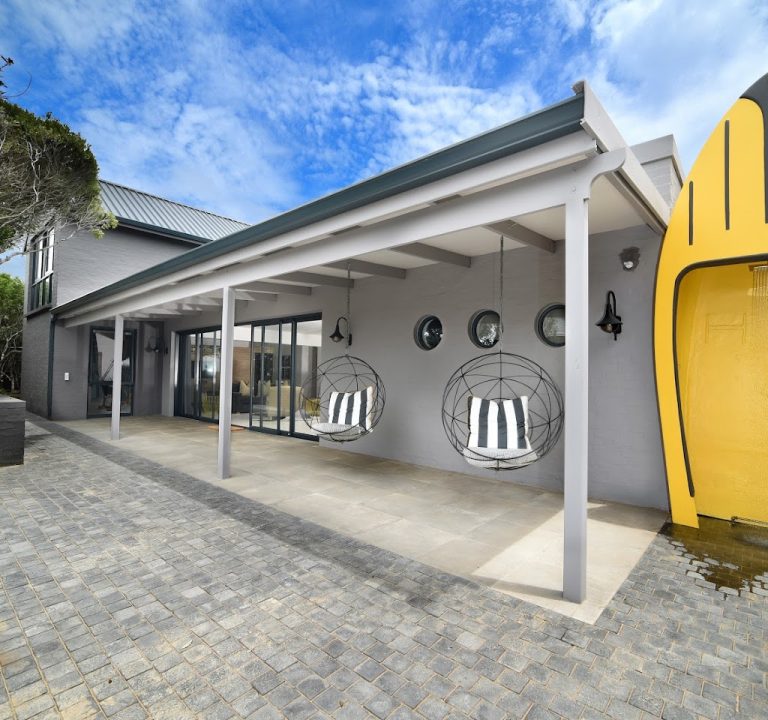
Typical accommodation options in Kenton-on-Sea range from self‑catering homes and cottages to guesthouses and small lodges, many with sea or estuary views. Self‑catering properties are especially popular for families or groups who want the freedom to cook, store fresh provisions and come and go with their own schedule. Look for properties that offer a well‑equipped kitchen, outdoor eating space, reliable Wi‑Fi, and parking. Guesthouses and boutique lodges often provide daily housekeeping, onsite hosts, and a shared lounge or veranda where you can swap tips with other travellers. A common feature across properties is thoughtful outdoor spaces: garden seating, sun decks, braai (BBQ) areas, and easy beach access. If you’re visiting in peak season, book early to secure a preferred location near the beach or the river mouth.
Areas to consider within Kenton-on-Sea include the central beachfront zone for easy beach access and spent time listening to the ocean. The estuary precinct offers calmer water, birdlife, and boat or kayak trips. For a quieter base, look a short drive inland or along the coastal road to find self‑catering homes with larger gardens and more privacy. When choosing where to stay, think about transport links and daily plans: is parking available on site, how easy is it to walk to the sand, and would you prefer to be very close to cafés and general shops or slightly removed from the core tourist areas?
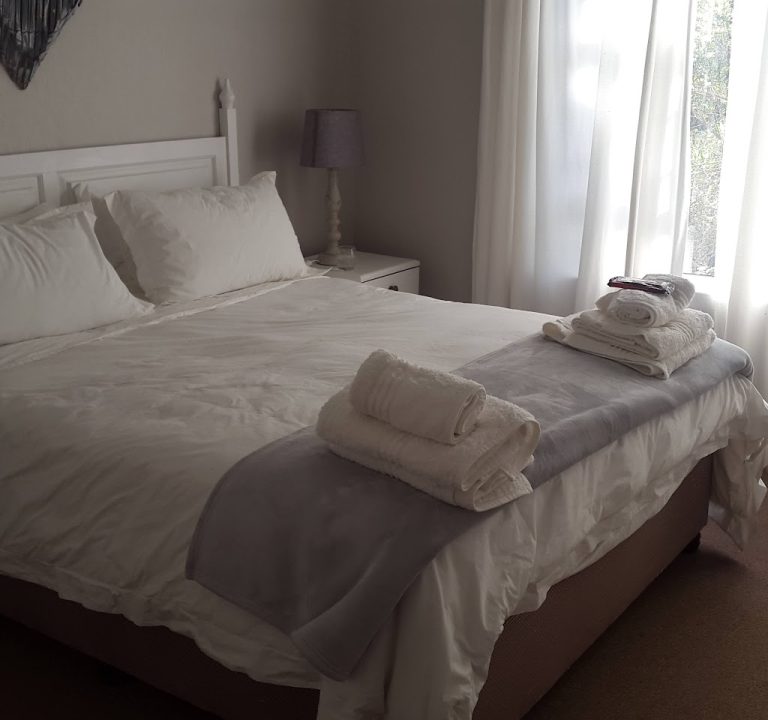
What to look for when booking includes a few practical checks. Confirm the number of bedrooms and beds to suit your group, and verify whether linen and towels are provided or if you’ll need to bring them. Check for kitchen essentials if you will be self‑catering—especially a good range of pots, pans, and utensils, plus basic condiments. Verify that the property has hot water and dependable heating or cooling, depending on the season. For beach and windier days, ask about outdoor spaces that are shaded and well fenced if travelling with young children. If wheelchair access or low‑step entry is important, clarify accessibility details with the host. Finally, read guest reviews focusing on cleanliness, responsiveness of hosts, and how well the property matches its online photos and description.
Typical amenities that travellers appreciate include free parking, wi‑fi, and a well‑equipped kitchen. Outdoor features such as a braai area, sun loungers, and outdoor showers can significantly boost enjoyment after long beach days. A responsive host or property manager who can offer local tips—where to find fresh seafood, the best beaches for swimming, and family‑friendly walks—adds substantial value. If you’re travelling with children or pets, confirm pet policies and any rules around the use of outdoor spaces and shared facilities. For longer stays, consider a weekly cleaning service or mid‑week linen changes, which can make a substantial difference to comfort and convenience.
Transport in Kenton-on-Sea is straightforward but varies by season. A car is the most flexible option for exploring the wider region, visiting nearby coastal towns, nature reserves, or day trips along the coast. Within the village, some properties offer parking and easy access to beaches by foot. If you plan to venture further afield, consider a vehicle with sufficient boot space for gear like bicycles, surfboards, or fishing equipment. Public transport options are limited, so a rental car is typically the most practical solution for most travellers.
Best time to visit Kenton-on-Sea is tied to outdoor activities and coastal weather. The summer months (December to February) are warm and ideal for beach days, boat trips, and estuary adventures. Spring and autumn offer milder temperatures with fewer crowds, making it a good time for walks, birdwatching, and quiet beach strolls. Winter is cooler and can be windy, but it also brings a different, still‑beautiful landscape and lower accommodation rates outside peak periods. Pack for variable coastal weather: sun protection for the day, a light wind‑proof layer for mornings on the beach, and a swimsuit or wetsuit if you plan water activities.
When planning an itinerary, couple your stay with local experiences that are friendly to families and couples alike. Expect opportunities for beach walks, birdwatching along the estuary, navigation by boat or kayak, and nature trails that offer glimpses of coastal flora and fauna. Dining tends to focus on casual, coastal fare, with seafood dishes and Mediterranean‑influenced menus featuring at many eateries. Look for restaurants and cafes that offer fresh, seasonal ingredients, and a relaxed atmosphere where you can unwind after a day on the coast.
- Assess your group size and preferred pace (self‑catering vs full service).
- Verify essential amenities (kitchen equipment, parking, hot water, heating/cooling).
- Consider proximity to the beach vs. the estuary and access to outdoor spaces.
- Plan transport: a car is usually the most convenient; check parking and access details.
- Check access and accessibility needs, pet policies, and cleanliness standards.
For ideas on where to stay and how to make the most of a Kenton‑on‑Sea break, start with a reputable accommodation listing or the local tourism information pages and keep an eye on seasonal events and market days. A well‑planned stay in Kenton-on-Sea can balance lazy beach days with restorative nature experiences, all within a compact, friendly village setting. For further inspiration and potential booking options, you may wish to explore regional travel resources and guest‑facing platforms that curate self‑catering and boutique stays in the area.