Johannesburg: Accommodation, Attractions and Planning Your Stay
Johannesburg, or Jo’burg as it is affectionately known, is a dynamic gateway to South Africa’s rich history, vibrant culture and modern urban experiences. When planning a stay in Gauteng’s largest city, a thoughtful approach to where you book, what you see, and how you get around will pay dividends in time, comfort and enjoyment. The city offers a range of accommodation types, from welcoming guest houses to stylish hotels and family-run lodges, each with a distinct neighbourhood flavour and easy access to major sights and dining. A well-chosen base can make it simple to explore with confidence, whether you are visiting for business, culture, or a long overdue urban break.
Areas to consider when booking your stay include the leafy northern suburbs, which tend to offer quieter streets, secure parking and straightforward access to business districts. City centre and central suburbs provide proximity to museums, theatres and a thriving restaurant scene, while precincts such as Sandton, Rosebank and Braamfontein present a blend of shopping, modern conveniences and nightlife. Those seeking a more relaxed, residential vibe might look to Maboneng and Newtown for a creative atmosphere paired with easy dining options. For a deeper dive into historic South Africa, Soweto offers authentic experiences and guided tours that delve into the country’s past and its contemporary culture. When choosing accommodation, consider how far you are willing to travel to your daily plans, and whether you prefer a compact, walkable neighbourhood or a larger, car-friendly area.
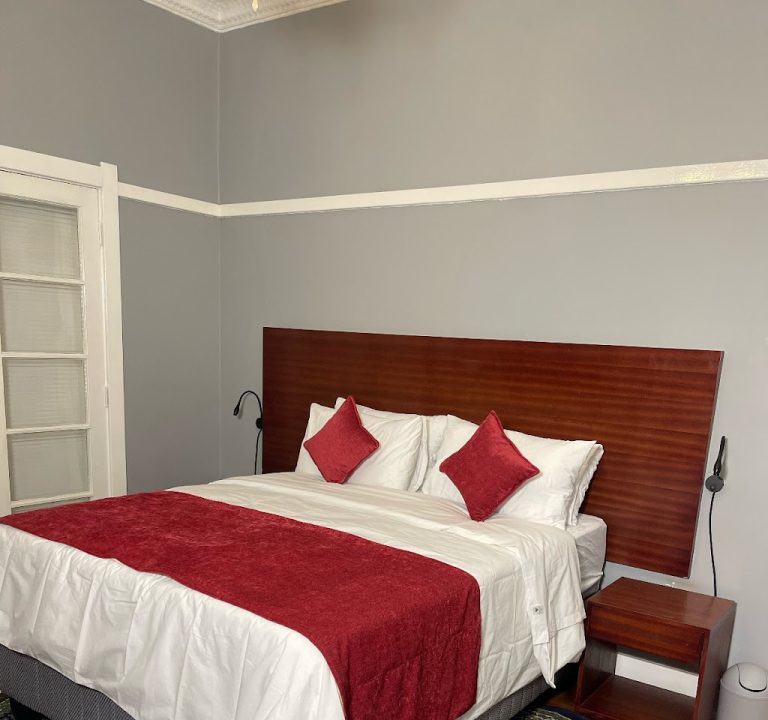
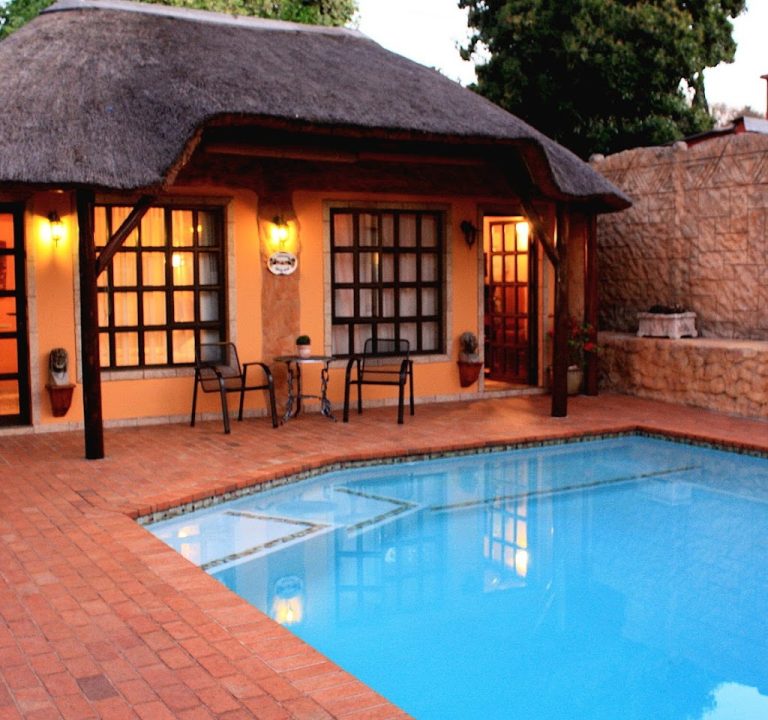
One illustrative example is Concord Guest Lodge, a guest house that typifies the kind of stay many travellers appreciate in Johannesburg: a friendly, intimate setting with convenient access to local attractions, and a sense of place that makes your home base feel welcoming after a day of exploring. Such guest houses often provide a continental breakfast, on-site parking and knowledgeable staff who can help you tailor day trips or recommend reliable transport options.
Typical amenities you might look for include secure parking or reliable transport links, free and fast Wi‑Fi, a comfortable bed and quality linens, and a personal touch from hosts who can offer tips on avoiding peak traffic and discovering less-touristy neighbourhoods. Dining options vary: some properties serve breakfast on-site, while others recommend nearby cafés and eateries. If you are planning several day trips, ask about in-house arranging of airport transfers or day tours, which can save time and reduce planning stress.
Transport in Johannesburg is straightforward but can be complex depending on the area. Many travellers rely on hire cars for flexibility, while others use rideshare services or reputable taxi options to navigate longer journeys. Public transport options exist, but core sights and neighbourhoods are more easily accessed by car or organised tours. When booking, check how close your accommodation is to major routes, motorways and any rail or bus hubs. If you prefer not to drive, confirm whether the property can assist with reliable transfers or guided outings, particularly to areas like Soweto, which offer rich experiences but require some planning to visit efficiently.
Best time to visit Johannesburg depends on your priorities. The city enjoys a mild winter and a warm to hot summer. Spring and autumn bring pleasant temperatures for outdoor exploration and walking tours, while summer can bring occasional showers, so packing a light rain jacket is wise. If you are visiting during the festive season or school holidays, plan ahead for popular attractions and dining spots. For quieter experiences, consider shoulder seasons when the city is less crowded, and you can enjoy more relaxed visits to museums, galleries and parks.
Attractions and experiences in Johannesburg span history, culture, art and nature. Major museums and heritage sites offer insights into South Africa’s past, while markets, galleries and street-life give a sense of the city’s contemporary creativity. Dining scenes are varied, ranging from casual cafés to more refined restaurants that reflect South Africa’s diverse culinary influences. In general terms, look for neighbourhood dining hubs where you can sample a range of cuisines and observe the city’s everyday rhythms. Guided tours—whether focused on architecture, markets, or historical townships—can provide context and accessibility that self-guided itineraries may miss. When planning visits, check opening times and whether guided tours require pre-booking, as these can sometimes be seasonally adjusted or limited on certain days.
Practical tips to help you make the most of your stay:
- Book accommodation with secure parking or guaranteed easy access to safe transport options.
- Choose a base with reliable Wi‑Fi and comfortable bedding to balance busy days with restful nights.
- Ask hosts or hotel staff for practical day-by-day itineraries that balance sights with downtime and meals.
- Plan to visit a mix of museums, cultural hubs and outdoor spaces to experience Johannesburg’s breadth.
- Keep a flexible approach for dining, as the city’s culinary scene evolves quickly and new favourites emerge regularly.
For planners who want to keep things simple, it helps to have a couple of anchor experiences in mind—perhaps a morning cultural visit, an afternoon in a park or market, and a dinner spot where you can reflect on the day. With careful selection of accommodation in the right area, easy access to transport, and a balanced itinerary, your Johannesburg stay can be both comfortable and richly rewarding. For inspiration and practical planning, you may wish to consult official tourism resources and local guides ahead of your trip.