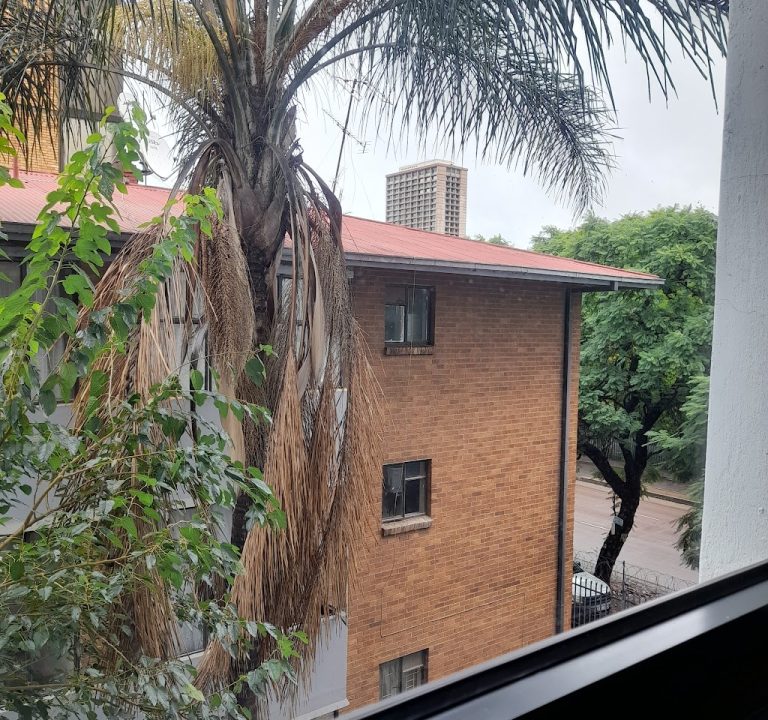
Accommodation and Experiences in Pretoria: Where to Stay and What to Do
Pretoria, the executive capital of South Africa, offers a diverse mix of stay options that suit all kinds of travellers. From stylish city centre hotels to leafy guesthouses in upmarket suburbs, and from modern apartment-styled lodges to up‑and‑coming boutique properties, visitors can plan a stay that feels calm and convenient. When choosing where to base yourself, think about accessibility to the city’s highlights, your preferred pace, and the kind of experience you want to wake up to each day.
One anchor option for a comfortable stay is a mid‑sized hotel in a central or well‑connected area such as Pretoria Central, Hatfield, or Menlyn. These districts typically strike a balance between easy access to business precincts, cultural sights, and dining scenes. A well‑located hotel such as the Colosseum Hotel can offer thoughtful amenities and a straightforward base for exploring the city, along with a helpful on‑site team to assist with local recommendations. When booking, consider the room layout, in‑suite amenities, and whether the property offers parking, a breakfast service, and a reliable 24‑hour reception.
Guesthouses and boutique stays are another excellent choice in Pretoria. In residential areas such as Brooklyn, Waterkloof, and the western suburbs, guesthouses often provide a warmer, more personalised feel and may include curated breakfasts or small social lounges. These kinds of properties are especially appealing for longer stays or couples seeking quiet comfort after day trips. Look for hosts who can offer practical information about transport links, nearby markets, and safe walking routes. For families, some lodges or guesthouses provide family rooms, easy access to parks, and secure parking.
For travellers who value modern conveniences and a resort‑style experience, certain lodges and higher‑end hotels blend contemporary design with green spaces. Key amenities to look for include reliable Wi‑Fi, a well equipped gym, a pool, and on‑site dining options. If you expect to move around by car, verify parking arrangements and whether the property can arrange safe airport transfers or ride‑hailing drop‑offs nearby. If you prefer a more sociable atmosphere, some properties host daytime cafés or lounges where guests can meet others without leaving the premises.
Transport in Pretoria is straightforward but varies by area. The Gautrain provides fast and efficient links to Johannesburg, with a connection to Centurion and surrounding towns, while Metrorail services neighbouring suburbs. Within the city, Uber and local ride‑hailing apps are widely used and convenient for short trips to museums, markets, or parks. If you plan to explore beyond the city, consider a stay with easy access to major routes that lead to the Voortrekker Monument, the Pretoria National Botanical Garden, and other day‑trip options such as Monday markets or nature reserves along the rivers. Some hotels and guesthouses can arrange reliable transfers or guided day trips, which may offer more insight into local history and culture than self‑driving alone.
Best time to visit Pretoria often hinges on the climate. The city enjoys mild winters and warm, dry springs and summers. Spring (September to November) brings pleasant weather for walking around parks and gardens, particularly the Pretoria National Botanical Garden, which blooms with seasonal colour. Autumn (March to May) is another comfortable period before the heat of midsummer arrives. If you visit in summer, be prepared for occasional showers; many visitors nonetheless enjoy al fresco dining and markets when the weather is friendly. Winter can be chilly in the early mornings, so layering is practical if you plan to start your day with a city walk or a hilltop viewpoint trip.
Attractions and experiences worth planning for include architectural and historic highlights, expansive green spaces, and a vibrant dining scene. City architecture and monuments offer snapshots of both colonial and modern South Africa, while parks and botanical spaces provide respite from urban bustle. Visitors frequently combine a morning stroll through central squares with an afternoon visit to galleries or craft markets. If you have a love for history and culture, look for guided tours that explain the city’s development, its government institutions, and the wider Gauteng region. For families and food lovers, consider itineraries that weave in markets, street‑food corridors, and casual dining options that highlight local flavours without demanding formal dress codes.
Eating out in Pretoria runs from refined to relaxed. Expect a mix of flavours drawn from Southern African traditions, barbecue culture, contemporary European influences, and Indian‑style cuisines, all accessible in varying price ranges. A practical tip is to check for daytime menus and weekend specials, which can offer good value after a morning of sightseeing. For visitors who prefer a casual approach, many neighbourhoods host compact, family‑run eateries and modern bistros that showcase seasonal ingredients and friendly service. If you enjoy combining meals with nearby architecture or park strolls, plan your day around a restaurant that sits near a notable landmark or a scenic overlook.
Practical planning tips to help you make the most of a Pretoria stay:
- Choose accommodation with efficient access to main routes and a clear way to reach major sights, museums, and markets.
- Confirm parking arrangements or proximity to safe public transport options, especially if you are driving in from other Gauteng towns.
- Pack layers for cooler mornings, particularly if you plan early day trips to viewpoints or historic monuments.
- Ask hosts or reception teams about current market days, park events, or guided walks to enrich your itinerary.
- Balance indoor time with outdoor spaces to enjoy Pretoria’s gardens and sunny urban spaces.
Whether your stay is short or extended, Pretoria’s blend of comfortable accommodation, approachable transport links, and varied experiences offers a welcoming base for exploring the Gauteng region. With careful planning around area, amenities, and transport, you can craft a stay that feels relaxed, insightful, and distinctly South African.