Exploring Dullstroom: Where to Stay and How to Make the Most of Your Visit
Nestled in the Mpumalanga Highlands, Dullstroom offers a relaxed atmosphere that blends natural beauty with a charming village feel. The town is known for its birdlife, rolling meadows, and a cool climate that invites long walks and cosy evenings. When planning a stay, consider the different areas, the types of accommodation on offer, and how you want to structure your days—whether you’re after countryside tranquillity, river views, or easy access to nearby reserves and attractions.
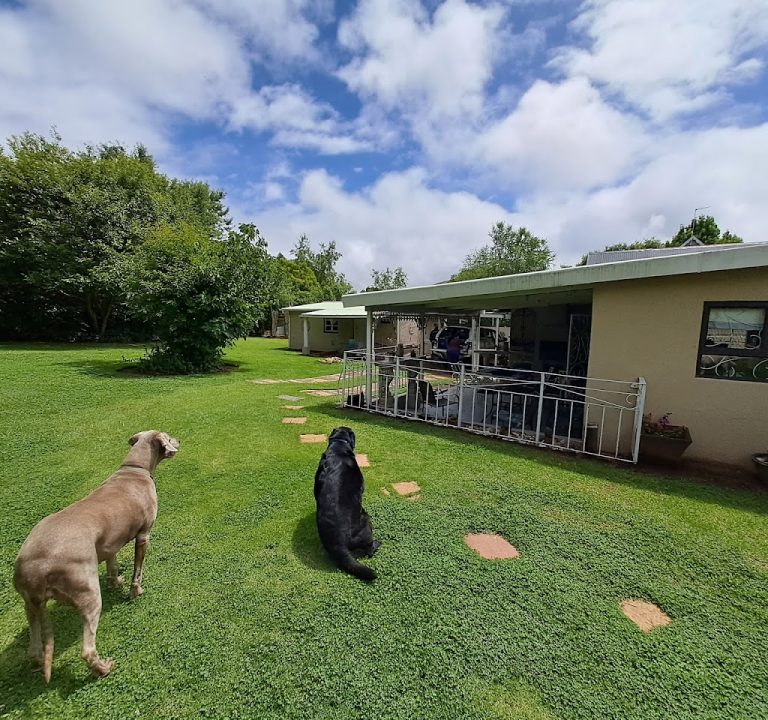
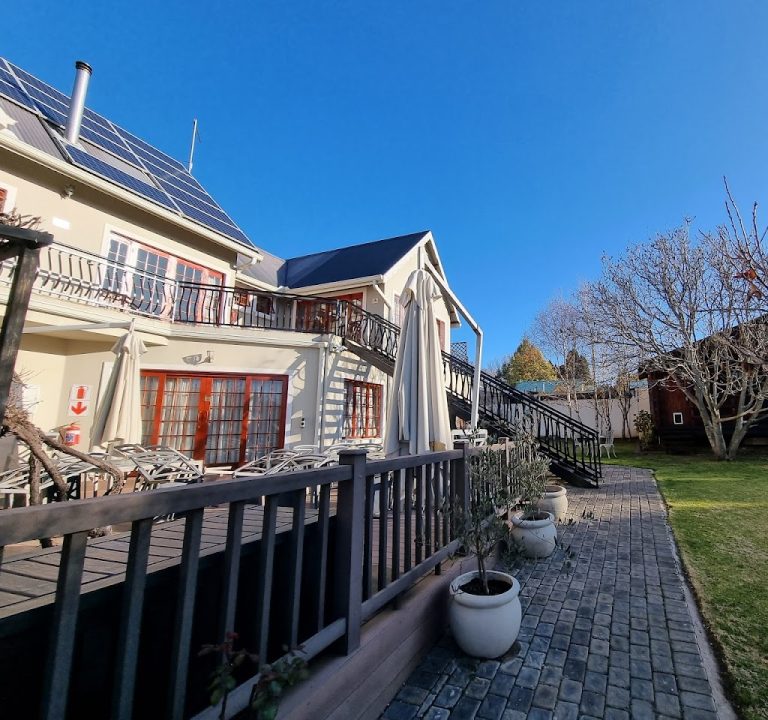
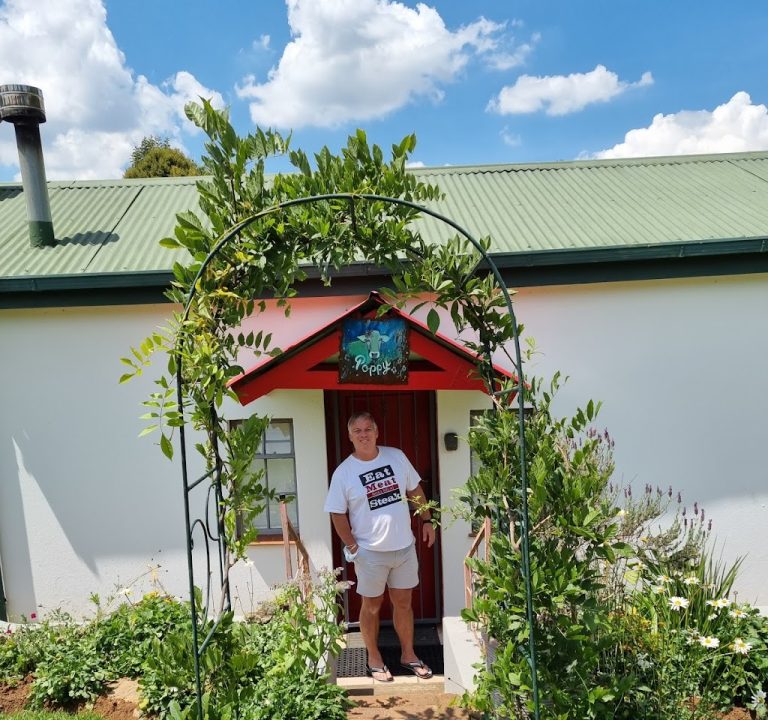
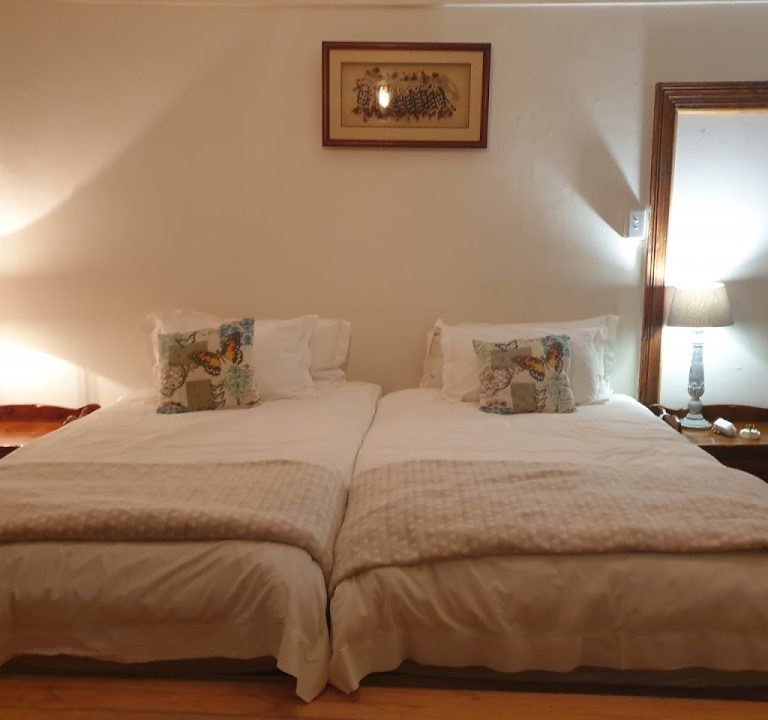
Accommodation in Dullstroom ranges from intimate guesthouses and family-run B&Bs to self-catering cottages and boutique lodges. Many properties are traditional in style, with timber features and fireplace comforts, designed to feel homely and understated rather than flashy. A number of places offer ground-floor rooms or accessible layouts, as well as enclosed gardens or outdoor spaces that suit families with children or guests travelling with dogs. For travellers seeking a rural escape, it’s common to find properties that combine privacy with personalised touches, such as local guidance on walks, bird-watching spots, and nearby dining options.
One practical approach is to choose your base according to proximity to the main village, the towns’ nature trails, and key dining spots. The centre is walkable, with a mix of cosy inns and smaller guesthouses, while riverside or hillside locations provide more expansive views and quieter surroundings. If you’re planning outdoor activities—such as hiking, horseback riding, or birdwatching—look for places that offer easy access to trails, storage for gear, and a curated list of local tours. For a romantic break, a secluded cottage with a fireplace and a terrace overlooking fields can be ideal; for families, a larger home with a kitchen and a garden may be preferable.
Typical amenities to expect include well-equipped kitchens or kitchenettes, comfortable living spaces, private entrances, and on-site parking. Many properties provide free Wi-Fi, offline information on local trails, and tips on the best times for birdwatching and photography. Housekeeping frequencies vary by property, so check whether linen changes, daily cleaning, or additional services are included. Some spots offer guided farm-to-table experiences or guest-led lunch or dinner arrangements, which can enhance the sense of connection to the local area.
Transport in Dullstroom is comfortable but not intensive. If you’re flying in, the nearest major airports are typically a couple of hours’ drive away, with a scenic route through smaller towns. Self-drive is the most convenient option for most visitors, allowing you to explore surrounding attractions at your own pace. If you prefer not to drive, look for accommodation that can help arrange transfers or provide information on local taxi services. Public transport is limited in the area, so advance planning for day trips and excursions is advisable.
Best time to visit Dullstroom depends on what you want from your stay. The region experiences a mild climate with crisp winters and pleasantly warm summers. Winter nights can be particularly cosy in a guesthouse with a fireplace, making the town feel like a snug hideaway. Spring and autumn offer colourful countryside and good conditions for outdoor activities or leisurely strolls. Summer brings abundant birdlife and the chance to enjoy rivers and open spaces, though it can be wetter. If you’re keen on fishing or birdwatching, check seasonal patterns and any local advisories before you go.
When planning activities, you’ll find plenty to strike a balance between indoors and outdoors. In the mornings, you might explore a nature reserve or a seaside-like grassland, while afternoons can be spent in the village with options for art galleries, craft markets, and relaxed eateries. Dullstroom is known for its culinary scene, where many restaurants showcase seasonal, locally sourced ingredients in hearty, country-style dishes. Rather than fixating on a single hotspot, consider visiting a few venues to sample different takes on comfort food, fresh pastries, and regional specialties. The town also serves as a comfortable base for longer day trips into Mpumalanga’s wider landscapes, including nearby nature parks and panoramic viewpoints.
Consider the following practical tips to help you plan a smooth stay:
- Book early for peak weekends and holiday periods, especially if you want specific rooms or a particular area of town.
- Confirm cancellation policies and what is included in your rate, such as daily housekeeping or on-site facilities.
- Ask about parking arrangements and whether there are any access restrictions or pet policies if you are travelling with animals.
- Check for any seasonal considerations, such as heating in winter or insect protection in warmer months.
- Look for properties with flexible check-in times or clear guidance for late arrivals, especially if you’re driving in at dusk.
- Plan a balanced itinerary that includes time to simply enjoy the surroundings—Dullstroom thrives on its peaceful ambience as much as its activities.
To get the best sense of what Dullstroom has to offer, browse accommodation websites and guest reviews, and consider talking directly to hosts about custom experiences, such as guided walks, wildlife observations, or cooking demonstrations. Websites for bookings often provide maps and area guides that help you visualise your route from your chosen base to trails, viewpoints, and dining options. With thoughtful planning, a stay in Dullstroom can feel like a restorative retreat—enjoying the landscapes by day and a cosy, welcoming haven by night.