Accommodation and attractions in Cape Town: planning a memorable stay
Cape Town offers a diverse tapestry of places to stay, from chic boutique hotels perched on coastal cliffs to intimate guesthouses tucked into historic neighbourhoods. The city’s natural splendour is matched by a rich culinary scene and easy access to world‑class attractions, making it a rewarding destination for both short breaks and longer stays. When planning your visit, consider which neighbourhoods align with your priorities—proximity to iconic sights, easy transport links, or a quieter base with easy access to beaches and trails.
Neighbourhoods to consider include the heart of the city, where modern hotels and stylish serviced apartments put you within walking distance of museums, galleries and the vibrant dining scene. The V&A Waterfront offers a mix of luxury, family‑friendly, and boutique options with convenient access to harbour walks and ferry departures. Green Point and the Sea Point promenade provide easy access to the Atlantic foreshore, a scenic backdrop for morning runs, sunset strolls and casual eateries. For beaches and a more relaxed vibe, Camps Bay and Clifton offer sea views, sunlit stretches and waves that attract surfers and sunbathers alike. Constantia is ideal for travellers seeking tranquil vineyards and a slower pace, while the City Bowl and Bo‑Kaap offer cultural immersion and historic architecture just a short drive from the city’s principal sights.
When choosing accommodation, look for properties that match your priorities. If you want morning sun and sea views, a cliff‑top boutique hotel or a guesthouse with panoramic balconies can deliver. For convenience, many self‑catering apartments and guesthouses near the V&A or Green Point provide kitchen facilities and flexible check‑in arrangements, helpful if you’re travelling with family or a group. If you’re visiting in peak season, book well in advance, particularly for waterfront or Clifton stays, where limited availability can drive higher prices. Check the listing for what is included—free breakfast, parking, Wi‑Fi, and accessibility features are common but vary between properties.
Typical amenities you may encounter include en‑suite bathrooms, daily housekeeping, in‑room tea and coffee, secure parking, and, in many coastal properties, outdoor pools or sundecks. Some boutique establishments offer curated experiences such as guided neighbourhood walks, private wine tastings, or on‑site cafés and tasting rooms. If you’re travelling with family or a group, look for properties offering multiple bedrooms, living space, and laundry facilities. For those seeking sustainability, several guesthouses and lodges highlight energy‑efficient practices and locally sourced breakfasts. Always confirm access hours, especially for self‑check‑in arrangements, and check whether air conditioning or heating is available for your travel dates, as coastal weather can be changeable.
Transportation is straightforward but worth planning. The city has a reliable MyCiTi bus network, and Uber and other ride‑hailing services are widely used. If you’re staying near the Waterfront or Cape Town’s central areas, many attractions are within walkable distances, accompanied by scenic routes along the harbour and Atlantic coastline. If you plan day trips, such as visits to the Cape Winelands, the Cape Peninsula, or the iconic Table Mountain, consider a guided tour or hire a car for flexibility. For travellers who enjoy hiking, access to Table Mountain National Park is easy from many central bases, with guided walks and cable car options available seasonally.
Best time to visit Cape Town tends to be spring (September to November) and autumn (March to May), when the weather is mild and the seas are typically calmer for coastal strolls and outdoor dining. Summer (December to February) brings longer days and a vibrant beach scene, but it can also mean higher crowds and prices. Winter (June to August) is cooler and wetter, yet it can be a good time to enjoy green landscapes, fewer crowds, and intimate dining experiences. Pack layers, a light waterproof jacket, and comfortable walking shoes for varied terrain—from city streets to coastal paths and Table Mountain’s rocky trails.
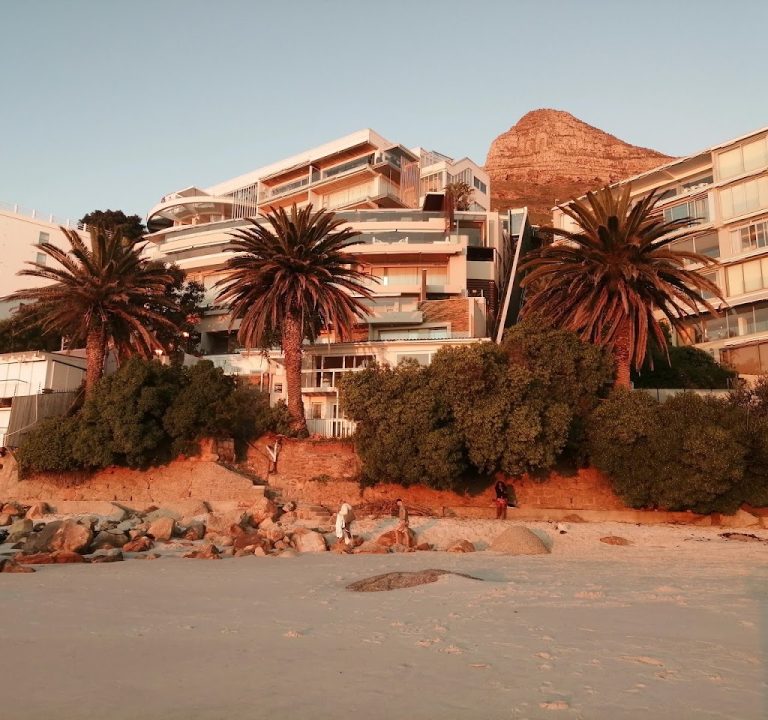
In addition to staying comfortably, make the most of your visit by exploring a mix of attractions and local experiences. Iconic viewpoints, coastal walks along Atlantic shores, and the scenic drives to the Cape Peninsula and the Constantia wine route are easy additions to a balanced itinerary. Food lovers will enjoy exploring casual seafood restaurants, market stalls, and eateries that celebrate local produce and flavours. For a broader sense of the city’s culture, seek neighbourhood cafés, markets, and galleries that showcase Cape Town’s artists and designers. Clifton 1st Beach, with its famous white sands and turquoise water, remains a quintessential stop for visitors who want to experience the region’s refined coastal beauty from a comfortable base nearby.
- Book a base with easy access to MyCiTi routes or car parking.
- Prioritise properties with en‑suite bathrooms and flexible check‑in.
- Check for breakfast options, parking, and any included experiences or tours.
- Consider a mix of beachside stays and a central city base to balance relaxation with exploration.
- Prepare for variable weather by packing layers and a light rain jacket.
Finally, plan with a practical mindset: verify access to essential amenities, review cancellation policies, and keep abreast of current travel tips and safety guidance. Cape Town is a destination of contrasts—cosmopolitan dining, dramatic coastlines, and welcoming guesthouses—where a well‑chosen base can enhance every moment of your stay.