Discovering Johannesburg: accommodation, attractions, and planning your stay
Johannesburg, or Jo’burg, is a dynamic gateway to Gauteng with a mix of urban energy, cultural heritage, and modern conveniences. When planning a stay, consider the city’s diverse neighbourhoods, each offering a distinct atmosphere for travellers. From leafy northern suburbs with boutique guesthouses to vibrant inner-city pockets and leafy up-and-coming areas, there are plenty of options to suit different budgets and travel styles. An example in the mix is Chez Hotel Inn, which is used here as a reference point for what a mid-range stay might resemble in terms of location variety and accessibility, without assuming specific services or features.
Accommodation in Johannesburg ranges from charming guesthouses and boutique hotels to serviced apartments and larger international-style hotels. If you prefer a quieter base with easy access to the sights, consider suburbs such as Rosebank, Melville, or Sandton, where many properties offer secure parking, reliable Wi-Fi, and guest-focused service. For a more urban experience, stay in the central business district or Braamfontein, where modern renovations sit alongside historic architecture and a lively dining scene. When selecting a place to stay, think about proximity to transport links, safety, and what you want to be close to—museums, parks, shopping, or nightlife.
What to look for when booking:
- Location relative to your planned activities and transport options, such as the Gautrain links or major highways.
- Security features, including 24-hour reception, gated or controlled access, and on-site parking if you are driving.
- Guest comments about noise levels, cleanliness, and staff helpfulness.
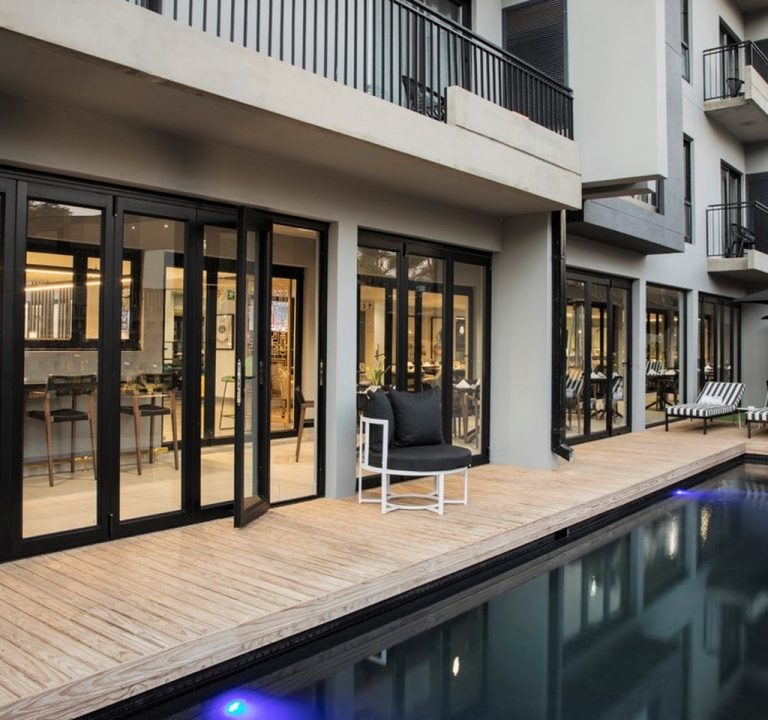
- Amenities that suit your needs, such as a self-catering kitchen, a comfortable workspace, or a pool and outdoor spaces for downtime.
- Flexibility of booking terms and clear cancellation policies, especially if plans may change.
Typical amenities you can expect in Johannesburg stays include free Wi-Fi, air conditioning or heating, on-site parking, laundry facilities, and breakfast options, though offerings vary. Some properties provide curated local experiences or guided tours, while others operate with a do-it-yourself approach. If you are travelling with family or a group, consider apartment-style accommodation with separate bedrooms and a living area. For business travellers, easy access to Wi-Fi, a quiet workspace, and proximity to business districts can be particularly advantageous.
Transport around Johannesburg is well served by a mix of options. The city is large and road travel can be convenient if you are hiring a car, but many visitors prefer public transport and ride-hailing services. The Gautransport network connects the city with the broader region, and certain suburbs offer easy access by bus or rail. In central areas, walking and short taxi rides between sights can be pleasant, while larger rides between neighbourhoods may benefit from pre-booked transfers or reputable ride-hailing apps. If you plan to explore beyond the city, consider day trips to nearby natural areas or historic sites, which can be arranged through your accommodation or a dedicated tour operator.
The best time to visit Johannesburg depends on your priorities. The city experiences mild winters and warm summers, with a peak rainy season in the late summer. For outdoor activities and pleasant daytime temperatures, spring (September to November) and autumn (March to May) are ideal. If you enjoy a lively urban scene and markets, the shoulder seasons offer a good balance of pleasant weather and fewer crowds. Be prepared for quickly changing weather in the highveld climate, and pack layers, along with sun protection for bright days.
Planning practicalities can save you time and ensure you make the most of your stay. Here are some tips to consider before you travel:
- Book accommodation with clear access to the areas you plan to visit, and check how transfers to attractions are arranged.
- Check local safety guidance and keep valuables secure, especially in busy city zones and at popular tourist spots.
- Discover dining options that suit your taste and budget; Johannesburg offers a broad mix of casual eateries, cafés, and fine dining, with a focus on flavours from across Africa and beyond.
- Plan a balanced itinerary that includes a mix of cultural experiences, markets, parks, and time to simply enjoy the streets and views.
- Research potential day trips from your base, whether you want nature escapes, art hubs, or historic towns nearby.
Attractions and experiences in and around Johannesburg span museums, galleries, markets, and nature reserves. Visitors commonly explore cultural centres that celebrate the region’s history and creativity, while parks and botanical spaces offer opportunities to unwind. Dining in the city ranges from traditional South African fare to contemporary and international cuisines, often best enjoyed in neighbourhood hubs that reflect the city’s diversity. For a well-rounded visit, mix indoor experiences with outdoor time, and leave space for discovering unexpected corners of the city—from little galleries and coffee shops to street markets and music venues. Links to official tourism pages or reputable travel guides can help you plan with up-to-date information on opening times and suggested routes.
Whether you are drawn to a quiet guesthouse escape, a stylish boutique stay, or a conveniently located hotel near transport hubs, Johannesburg offers a broad canvas for your itinerary. With thoughtful planning, you can tailor your stay to your interests, balance comfort with exploration, and enjoy the rich experiences the city has to offer. For further ideas and practical planning, you may wish to visit official tourism resources or travel guides via reputable websites.