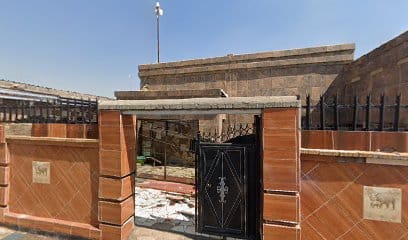
Accommodation and Getting the Most from a Stay in Tembisa, Gauteng
Tembisa, part of the Gauteng province, offers a blend of vibrant township culture and practical base for exploring nearby Johannesburg and the wider region. When planning a stay, consider a mix of local guesthouses, small hotels, and lodges that provide convenient access to transport routes, markets, and parks. Chatinga Guest House is an example of a locally run accommodation option that can offer comfortable rooms and a sense of community, often with friendly, personalised service that helps visitors feel at home.
Areas to consider for your stay include central Tembisa for easy access to taxi routes and local amenities, or slightly closer to major roads and public transport hubs if you intend to travel beyond the township. If you prefer straightforward access to Johannesburg’s northern suburbs, look for properties with reliable connections to regional roads and car rental services. For a quieter stay, some lodges and guesthouses on the periphery of Tembisa may provide calmer surroundings while still keeping you within reach of key sights and dining options.
Booking considerations should focus on value for money, safety, and practical conveniences. Look for clearly stated check‑in and check‑out times, on‑site security, and the availability of secure parking if you are driving. It can also help to read guest reviews about the reliability of housekeeping, Wi‑Fi access, and the responsiveness of staff to local travel questions. When in doubt, contact the property directly to confirm facilities such as air conditioning, hot water supply, and whether meals are included or available nearby.
Typical amenities to expect in Tembisa‑area accommodation include private or en suite bathrooms, clean bedding, and a shared or private living space. Some establishments offer basic kitchen facilities or a continental breakfast, which can be convenient for travellers with early starts or day trips. Wireless internet is common, though the speed and reliability can vary, so it’s worth checking if you plan to work or stream during a longer stay. If an in-house restaurant is not available, you’ll find a range of eateries in nearby neighbourhoods and markets offering approachable, affordable meals with regional flavours.
Transport in and around Tembisa is practical but may require some planning. Many visitors rely on local taxis, rideshare services, or informal minibus taxis to navigate the area. If you plan to visit other parts of Gauteng, it helps to stay near a major road or transport hub for easier connections. If you are driving, make sure your vehicle is secure and equipped for urban roads. Public transport schedules can vary, so it’s wise to verify times in advance and allow extra time for peak periods.
Best time to visit Tembisa largely aligns with Gauteng’s climate: dry winters and hot summers. Spring and autumn generally offer pleasant temperatures for walking around markets and outdoor attractions. If you are planning outdoor activities, aim for cooler mornings or late afternoons during the height of summer. The festive rhythm of the area can be most alive on weekends when markets, music, and community events take centre stage, offering a welcoming glimpse into local life.
Attractions and experiences in and around Tembisa can be enjoyed without heavy timetable commitments. Visitors often explore local markets and cultural centres to understand the everyday rhythm of life in the area. Natural spaces nearby provide opportunities for short walks or picnics, and day trips to adjacent suburbs or natural reserves can be arranged with a local guide or your accommodation host. While it’s wise to rely on locally informed recommendations for sights and routes, you can anticipate a warm and authentic South African township experience that emphasises community, creativity, and resilience.
When it comes to dining, the area offers a spectrum from informal eateries to modest restaurants that serve approachable, comforting meals. You’ll find dishes that reflect South African home cooking and regional influences, often at reasonable prices. If you’d like a broader culinary palette, plan a short journey to nearby towns or suburbs with a wider range of dining options and the convenience of a larger selection of cuisines. Always check opening hours in advance, especially on weekends and public holidays, as small venues may operate on more limited schedules.
Practical tips for a smooth stay include budgeting for short local hops, keeping valuables secure, and using reputable transport options when venturing away from the immediate neighbourhood. Pack smart for warm days and cooler evenings, and bring a light layer for air‑conditioned spaces. If you intend to visit multiple sites, a simple plan with a day‑by‑day outline can help you maximise your time while enjoying a relaxed pace. Finally, embrace the chance to speak to hosts and shopkeepers who often offer routes, tips, and suggestions that aren’t found in guidebooks.
For further planning and inspiration, consult regional tourism information and official pages about Gauteng and Johannesburg’s northern corridors. They can provide context about public transport options, safety advisories, and seasonal events that may shape your itinerary. Remember that your accommodation host is your best local ally for tailored recommendations on markets, eateries, and day trips that suit your interests and pace. If you wish to explore an example property, you may come across sites dedicated to Chatinga Guest House, or similar establishments, which highlight the value of a well‑placed base from which to discover the area.
- Choose a central or well‑connected location for ease of travel
- Check security, parking, and Wi‑Fi reliability
- Confirm meal arrangements or nearby dining options
- Consider climate and seasonal travel timing
- Plan transport in advance and allow extra time for peak periods