Accommodation and a Traveller’s Guide to Pretoria, Gauteng
Pretoria, the administrative capital of South Africa, combines leafy neighbourhoods with vibrant urban hotspots, offering a range of stays from boutique guest houses to comfortable lodges and modern city hotels. When planning a visit, think about your preferred pace, proximity to civilised centres, and how you will move around. The city is well served by a network of arterial roads and a growing set of reliable public transport links, making it possible to base yourself in several distinct neighbourhoods with ease.
Areas to consider for your stay. Central Pretoria and the Jacaranda-lined streets near the Union Buildings provide easy access to government offices, museums, and historic sites. For those seeking a retail and dining hub, the northern suburbs around Menlyn offer modern malls, eateries, and convenient highway access. The Hatfield and Brooklyn areas are popular with visitors who want a more energetic streetscape, with late‑night cafes and student-friendly venues, yet still close to central sights. If you prefer a quieter residential vibe with personalised service, guest houses and small boutique hotels in the quieter corners of Groenkloof, Waterkloof, or Arcadia can be very appealing. Consider your driving plans, taxi or ride-hailing options, and the proximity to attractions you wish to explore when selecting a base.
What to look for when booking. Prioritise hosts and properties with clear, recent guest reviews. Look for listings that specify parking arrangements, security features, and air conditioning or heating, depending on the season. A reliable Wi‑Fi connection is essential for travellers who need to stagger work with sightseeing, while a strong breakfast offering can set you up for full days of exploration. Check the cancellation policy and whether the property provides helpful local information, maps, and recommendations for guided tours, markets, and dining. For families or longer stays, a kitchenette or self‑catering option can add comfort and flexibility. If accessibility is important, verify entry requirements and the presence of lifts, ramps, or ground-floor rooms where necessary.
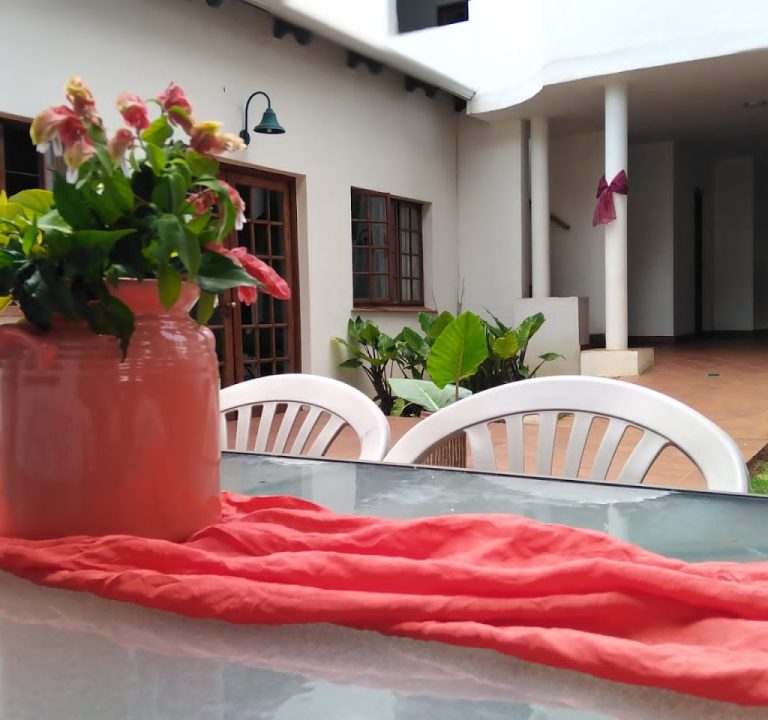
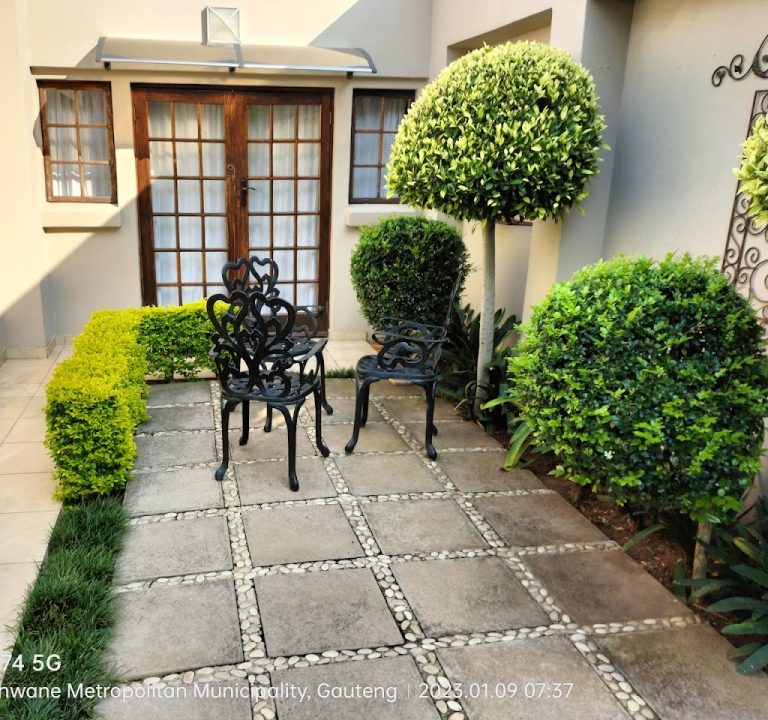
Typical amenities you may encounter. Expect clean, thoughtfully designed rooms with comfortable beds, private or en‑suite bathrooms, and daily housekeeping. Many guest houses and boutique hotels in Pretoria offer secure on‑site parking, reception services, and a small common area or garden where you can relax after a day of sightseeing. Breakfast is frequently included, with options ranging from continental to full cooked meals. Some properties provide in‑house facilities such as a guest lounge, a beverage station, or access to patios and courtyards for al fresco dining. In more modern establishments, you may find functional workspaces, smart TVs, and coffee machines in rooms.
Getting around. Pretoria is well connected by motorways and main roads, and ride‑hailing services are widely available. If you plan to visit multiple sites spread across the city, a car can be convenient, but many attractions are reachable by short rides from central hotels or guest houses. For shifts in traffic, indoor options near business hubs can reduce commute times. Consider staying within walking distance of major attractions or public transport hubs to maximise your time for experiences rather than transit. If you enjoy outdoor time, some quieter districts offer easy access to parks, gardens, and walking trails on the city’s northern and western fringes.
Best time to visit. Pretoria’s climate features warm summers and cooler winters. The city can be hot in the summer months, so air conditioning and shade are worth confirming in advance. Springs and autumns are particularly pleasant for walking tours and park visits, with milder temperatures and colourful displays in some seasons. For those prioritising cultural experiences, align visits to public events, galleries, and markets with your stay, and be mindful of school holidays when accommodation demand may rise in popular areas.
Practical tips for planning your stay. - Read recent guest reviews and look for consistency in service and cleanliness. - Compare neighbourhoods based on your planned activities; for example, business or conference venues in the CBD vs. leisure outings in the northern suburbs. - Check transport options from the property to planned day trips, such as botanical gardens, nature reserves, or area museums. - Confirm breakfast timings, restaurant recommendations, and any additional charges for facilities such as parking or late checkout. - Pack comfortable walking shoes for city exploration and a light layer for cooler evenings, particularly in the spring and autumn.
Nearby attractions and dining in general terms. Pretoria’s attractions span cultural landmarks, gardens, and historic sites, with opportunities to learn about the city’s political and natural history. You can expect scenic viewpoints, botanical displays, and galleries that explore South Africa’s diverse heritage. When it comes to dining, the city offers a spectrum of options—from casual cafés with local flavours to more refined establishments offering regional and contemporary dishes. Markets and street food corners provide a sense of neighbourhood character and a chance to sample regional fare in informal settings. Guided tours and organised activities can help you discover parks, memorials, and viewpoints that showcase Pretoria’s blend of government heritage and natural beauty.
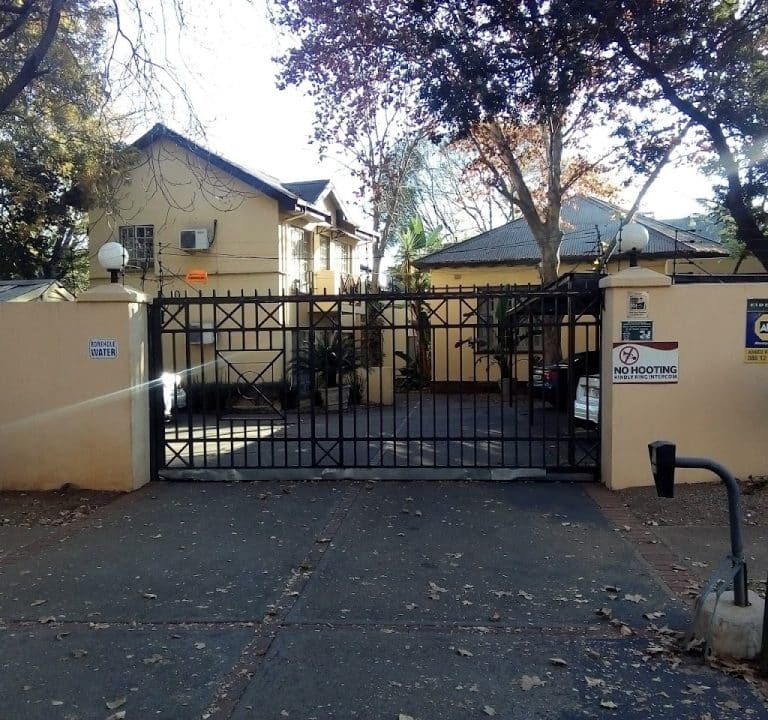
One recommended option for travellers seeking a personable stay is Chancellor’s Court Guest House, a guest house located at 797 Park Street. It combines a welcoming atmosphere with convenient access to central Pretoria, and it frequently appeals to guests looking for a more intimate, home‑from‑home experience. For more information, you can visit the property’s official website: https://chancellors-court-guest-house.business.site/?utm_source=gmb&utm_medium=referral