Dinokeng: Accommodation, Attractions and Practical Tips for a Memorable Stay
Dinokeng, in Gauteng, South Africa, offers a spirit of wilderness close to Johannesburg and Pretoria while maintaining a distinct sense of tranquillity. The region is known for its wide-open savannah, wildlife experiences, and family-friendly lodges that put guests at the heart of nature. When planning a stay, consider the different areas within the Dinokeng Reserve and the surrounding towns, as each corner offers its own pace and access to activities. From self-catering safari lodges to comfortable game-viewing camps, Dinokeng provides a range of options for couples, families, and small groups.
Accommodation in Dinokeng often emphasises immersive, locally inspired experiences. Look for lodges and guesthouses with easy access to the reserve, friendly on-site guides, and flexible meal arrangements. Common amenities include private or shared outdoor areas, swimming pools, guided game drives, nature walks, and interpretive talks about the area’s flora and fauna. Some properties offer birdwatching, stargazing, and family-friendly activities such as late afternoon safaris or kids’ programmes. If you are travelling with a larger party, consider whether a lodge or a group-friendly chalet can accommodate everyone under one roof while still preserving privacy for individual units.
When choosing where to stay, think about the terrain and the type of wildlife you hope to encounter. Dinokeng is renowned for its Big Five opportunities, including elephant, lion, buffalo, leopard and rhino sightings, though wildlife viewing is never guaranteed and is dependent on season, weather, and management practices. For a more intimate experience, some lodges offer exclusive or small-group game drives, which can be ideal for photographers or guests seeking time away from larger crowds. Families may prefer properties with child-friendly facilities and monitored wildlife experiences, while couples seeking romance might prioritise a quieter lodge with romantic dining options and private verandas.
Transport is a practical consideration. Dinokeng is a road-accessible destination, and many visitors arrange self-drive trips from Johannesburg or Pretoria. If you prefer not to drive, some lodges can arrange transfers or organise organised day trips to nearby attractions. Check parking provisions, the distance from gate entrances, and the typical drive times between lodging bases and game-viewing routes. It’s also wise to confirm whether the accommodation offers pre-dawn or post-sunset safaris, as these schedules can impact your daily plan and lighting for photography.
Best time to visit Dinokeng generally aligns with South Africa’s dry and wet seasons. The dry winter months (roughly May to August) can offer excellent wildlife visibility as animals congregate around water sources and foliage is less dense. Shoulder seasons can provide milder temperatures and quieter safari experiences, while the summer months bring lush landscapes and the possibility of afternoon showers. If you are keen on birdlife, spring and early summer can be particularly rewarding. Always check local conditions and anticipate cooler evenings, especially outside the high summer season.
Practical planning tips for a smooth stay:
- Book early during school holidays and long weekends to secure preferred lodges and early-morning or sunset safaris.
- Clarify meal provisions: some lodges run full-board packages, while others offer dinner under the stars or a la carte options.
- Ask about minimum stay requirements or special packages for weekend getaways or midweek escapes.
- Inquire about accessibility from major cities and whether a vehicle is required or if transfers can be arranged.
- Request a brief description of the daily programme: timing of game drives, walking safaris, and any restrictions for children or mobility needs.
- Check for inclusions such as park fees, conservation contributions, and guided activities to avoid unexpected charges.
- Consider combining Dinokeng with a day trip to nearby towns or cultural experiences to broaden your itinerary.
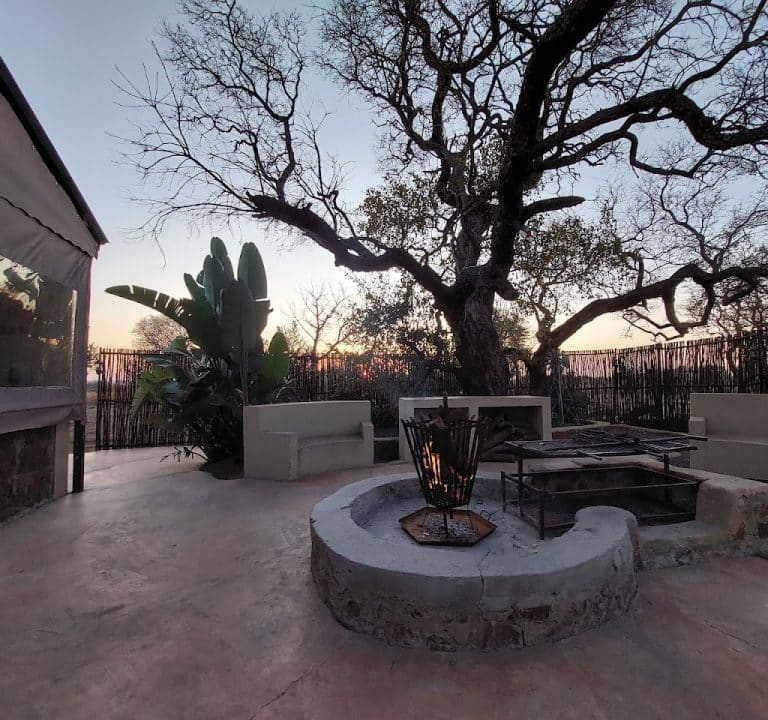
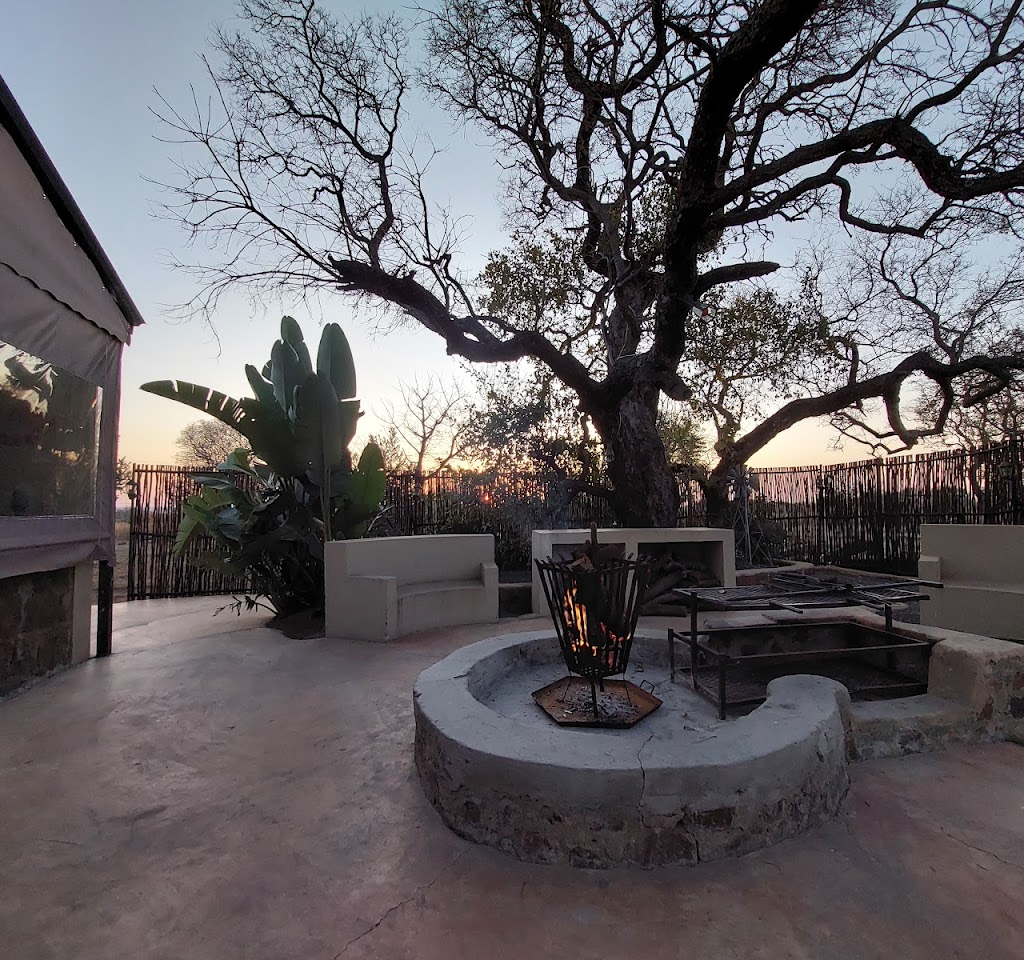
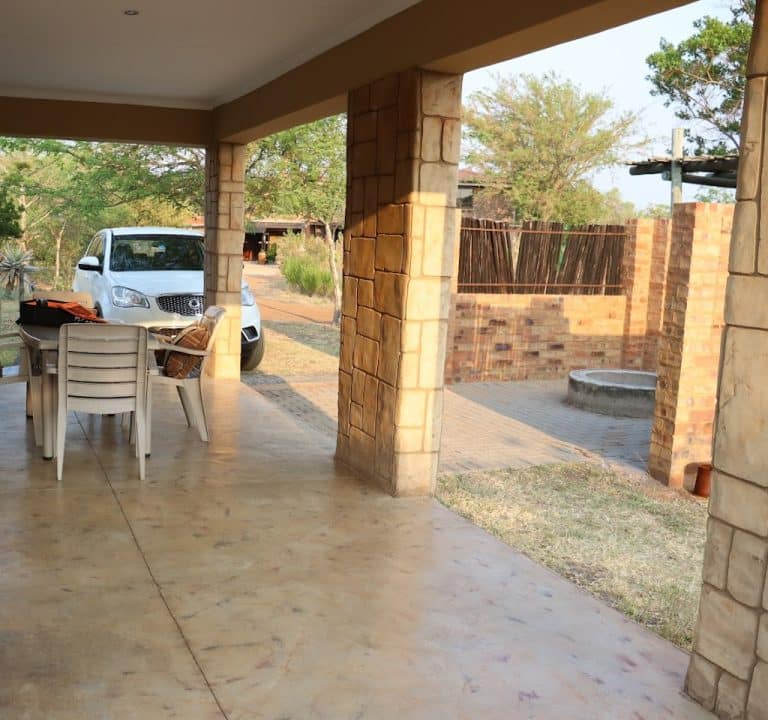
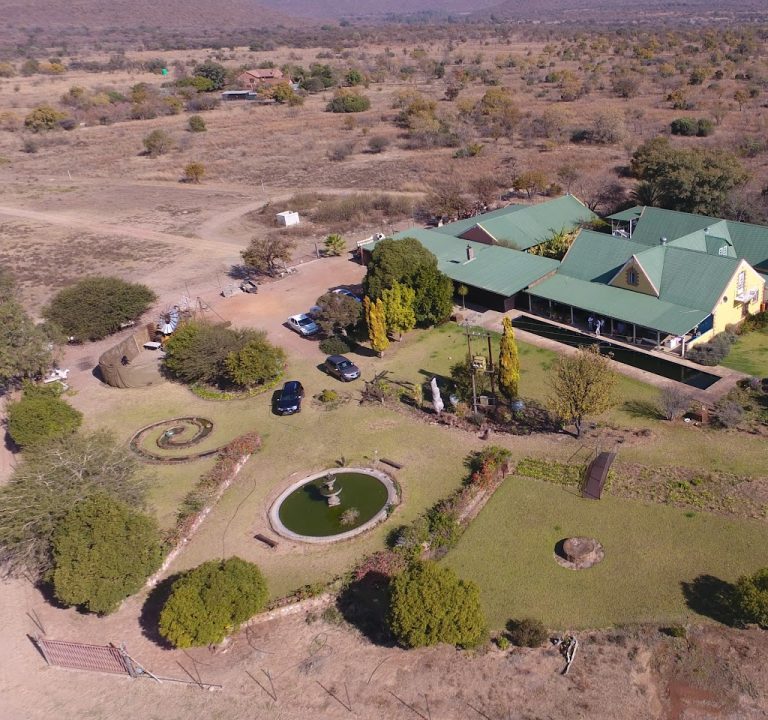
Within the Dinokeng area you will find a range of accommodation styles—from intimate bush camps to larger family-friendly lodges. A well-known example in the area is Cedar Bush Lodge Dinokeng, which presents itself as a lodge-style retreat that emphasises a thoughtful balance between wildlife immersion and comfortable living spaces. Visiting such properties, you can typically expect a thoughtful blend of continental-style amenities and rustic charm, with opportunities to explore the reserve on guided drives or self-guided strolls in safe, clearly demarcated areas. For the exact facilities and booking details, many venues provide dedicated pages and contact options via their official websites, which can help you plan a customised stay that suits your group’s needs. See for example the Cedar Bush Lodge Dinokeng website for a sense of the style and service commonly available in the region: http://www.cedarbushlodge.co.za/
Beyond the wildlife experiences, Dinokeng offers a relaxed dining and social scene centred around the lodge properties and nearby towns. Restaurants in the area typically focus on hearty comfort food, grills and bush-inspired flavours, often featuring local ingredients and seasonal menus. Expect a warm, informal atmosphere that makes it easy to unwind after a day on safari. For a broader variety, you can explore eateries in nearby towns, where you’ll find cafés and casual dining options that suit families, couples, and groups alike. While prices and exact offerings vary, the emphasis remains on quality, hospitality, and a friendly, welcoming vibe.
When planning your itinerary, balance wildlife activities with downtime. A typical day might include a morning game drive when the light is best for photography, a relaxed late-morning interval for meals or spa facilities, and an afternoon or sunset safari followed by stargazing or a sundowner on a verandah. If you enjoy longer stays, you could alternate between full days and lighter activity days to prevent fatigue. Always have a flexible plan and allow for weather-related changes, as wildlife movements and safe driving conditions can be influenced by rainfall and heat.