Port Shepstone:_where to stay, how to plan your visit, and what to enjoy
Port Shepstone sits along the KwaZulu-Natal coast, offering a relaxed base from which to explore the Hibiscus Coast and the inland splendours of Oribi Gorge. When planning a stay, consider the suburbs around the town centre, beachfront clusters, and the quieter inland terraces a short drive away. Each area has its own rhythm: the coast offers easy beach access and sea views, while inland pockets tend to deliver calmer neighbourhoods, larger plots and simpler access to natural parks. Choosing where to base yourself largely depends on how you want to pace your days—lazy mornings by the water, days spent exploring nature, or evenings out in nearby towns with eateries and markets.
For accommodation, Port Shepstone and nearby towns host a mix of hotels, guesthouses, B&Bs and self‑catering lodges. Look for properties that match your needs, whether you’re travelling solo, as a couple, or with family. Key features to seek include secure parking, reliable wifi, air conditioning or fans (the subtropical climate can be humid), comfortable en‑suite bathrooms, and flexible breakfast or kitchen options if you prefer home‑cooked meals. If you’re planning longer stays, a self‑catering unit or apartment can be a practical home‑base with the convenience of your own al fresco area to enjoy after a day on the coast.
When booking, check how far the property is from beaches, main roads and attractions you plan to visit. A short, well‑lit walk to a nearby convenience store or restaurant can make evenings more relaxed, especially if you’re unfamiliar with night driving in the region. In high season, demand can be brisk along the coast, so booking a few weeks to several months in advance is wise for popular weekends and school holidays. It’s also worth confirming cancellation terms and whether the rate includes or excludes local taxes.
Transport options in Port Shepstone and the surrounding area are typically car‑based. A rental car provides the most flexibility to explore the wider Hibiscus Coast, including Shelly Beach, Southport and inland retreats. Taxis and app‑based rides are available, but may be less plentiful in quieter periods. If you’re staying near the town centre, you can usually walk to shops and eateries, while a day trip to Oribi Gorge or a scenic coastal drive is comfortable with a small car and careful planning.
Best time to visit Port Shepstone and the KwaZulu‑Natal coast is driven by weather and activities. The summer months (roughly November to March) bring longer days and warm, humid conditions, ideal for beach time and outdoor markets, but be prepared for afternoon showers. Autumn and spring offer mild weather with comfortable temperatures for outdoor activities such as hiking and sightseeing. Winter is typically cooler and drier, which can be pleasant for exploration and day trips, though some water activities may be less inviting. Pack sun protection, light layers for cooler evenings, and a waterproof layer for occasional rain showers.
Practical tips for a smooth stay:
- Pack for variable coastal weather: sun, wind, and the possibility of rain in short bursts.
- Carry a map or offline navigation since some coastal routes run alongside rivers and natural reserves where cell reception can be patchy.
- Book accommodation with a clear access route from major roads, especially if you’re arriving after dark or with luggage.
- Respect local guidelines and environmental rules in nature reserves and beaches; stay on marked trails and observe wildlife from a safe distance.
- Try to balance time between beach days and inland excursions to avoid heat fatigue; Oribi Gorge, for example, makes for fulfilling day trips with scenic viewpoints and walking trails.
Attractions and experiences in and around Port Shepstone are varied. You can expect sandy beaches and blue waters suitable for warm-water swimming and snorkelling in calmer coves. Inland, nature reserves provide birding and hiking opportunities with varied scenery—from river meanders to rugged escarpments. Nearby towns and coastal villages offer laid‑back dining and shopping options, where you can sample fresh seafood and local curries, and enjoy handmade crafts. For a broader day out, a drive along the coast reveals more beaches, viewpoints, and photo stops, while guided tours and nature walks can add insight into the region’s ecosystems and cultural history.
Dining tends toward casual, family‑friendly venues with seafood specials, traditional curries, and casual grills. Look for places that offer a relaxed atmosphere, outdoor seating, and menus that adapt to fresh, local ingredients. Many establishments welcome walk‑ins, though during peak seasons it’s wise to book a table for dinner in advance. If you’re staying in a self‑catering option, local supermarkets and markets are convenient for stocking up on produce and enjoying picnics on the beach or at a scenic overlook.
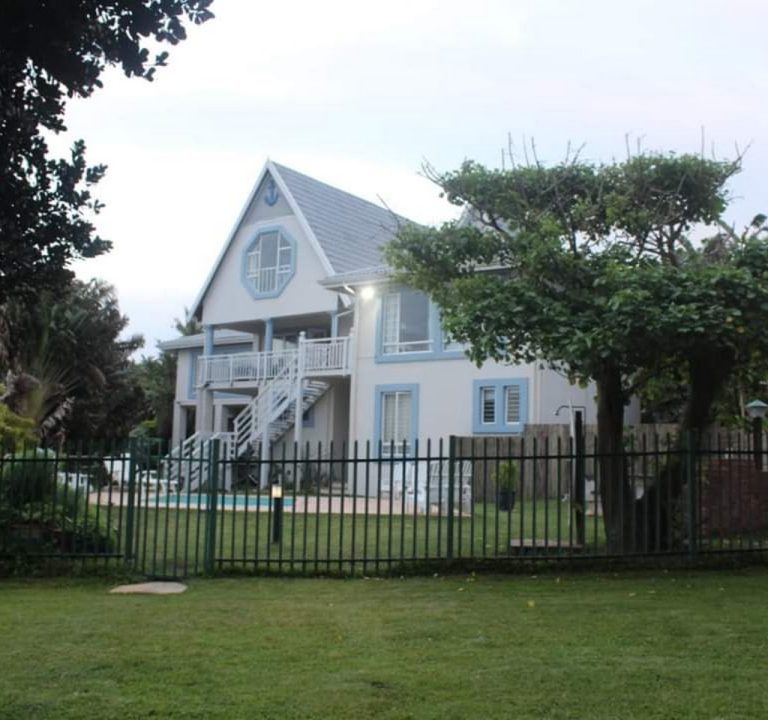
Case studies of good stays often include a comfortable base with ocean or garden views, convenient parking, and proximity to the beach or town amenities. A Castaway ocean view style stay could, in principle, offer a restful, coastal ambience with practical comforts—ensuring guests have easy access to daily needs, restful rooms, and a pleasant start for days spent exploring the Hibiscus Coast. To plan and compare options, consult accommodation directories and the KwaZulu‑Natal tourism resources online for up‑to‑date listings, seasonal tips, and suggested day trips. You can also explore regional travel guides that outline suggested drives, viewpoints, and nature trails to enrich your visit to Port Shepstone.
For further information and ideas on planning your stay, consider visiting official tourism pages and regional guides. These sources can help you tailor a trip that matches your pace, interests, and budget, from beachfront mornings to adventurous afternoons in nature reserves. Whether you’re after a restful seaside break, a nature‑driven escape, or a mix of both, Port Shepstone provides a friendly gateway to KwaZulu‑Natal’s coast and hinterland.