Staying and exploring Pietermaritzburg: accommodation, attractions, dining and practical tips
Pietermaritzburg, the capital of KwaZulu-Natal, blends historic charm with contemporary comforts, offering a relaxed base for visitors to explore the region. When you are planning a stay, consider choosing a neighbourhood that suits your pace: the city centre provides easy access to museums, run-down streets with a sense of history, and boutique stays; leafy suburbs offer quiet charm, space for families, and easier parking; while the vicinity of the North Coast and the Midlands can be reached for day trips to natural reserves and well-signposted walks. A well-chosen accommodation can anchor your itinerary and help you discover the city’s cultural and culinary offerings without feeling rushed.
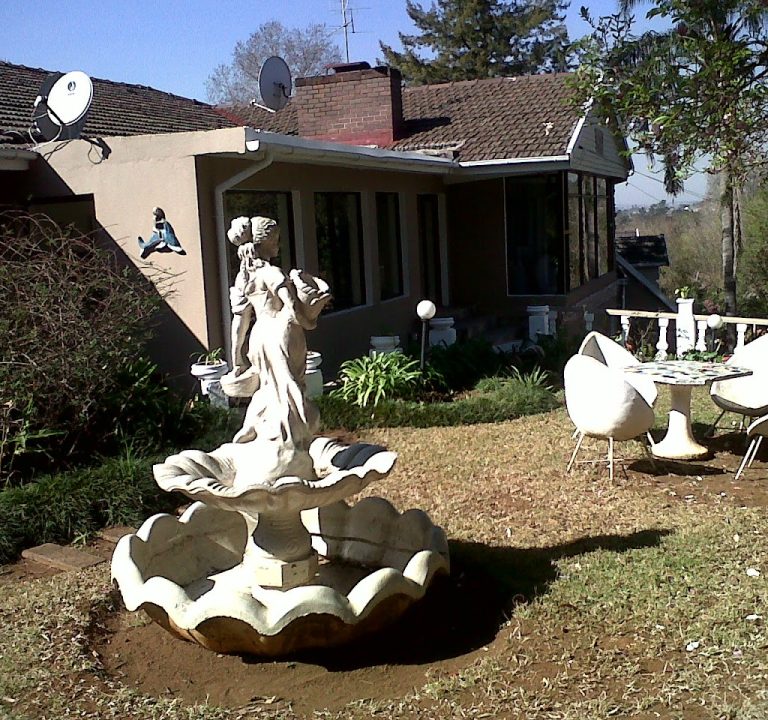
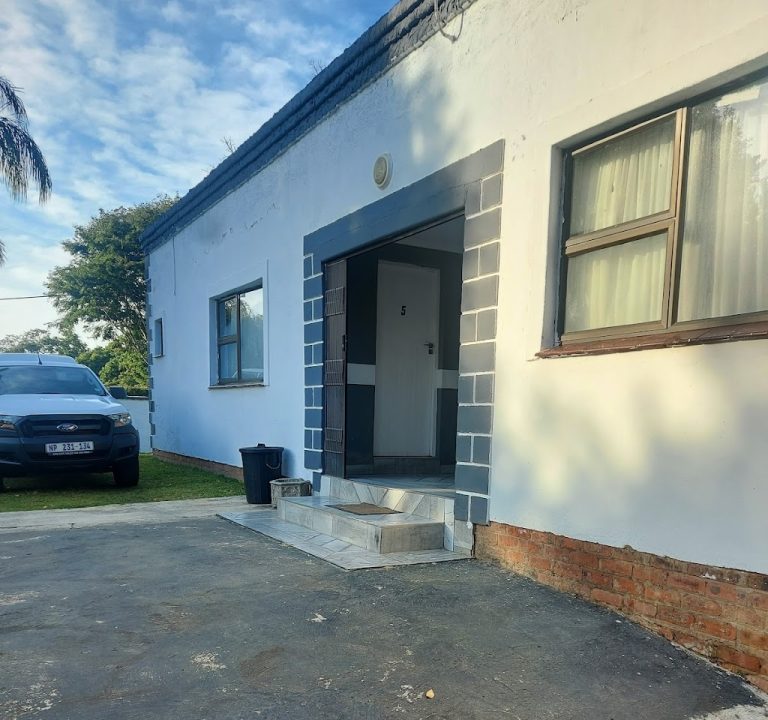
Accommodation options in Pietermaritzburg range from charming guesthouses and family-run B&Bs to modern hotels and self-catering apartments. Many properties offer typical comforts such as en-suite bathrooms, free Wi‑Fi, off-street parking, and breakfast options that showcase local produce. When booking, look for clear photographic detail, transparent cancellation policies, and honest descriptions of room size and noise levels. If you are travelling with family or a group, a self-catering unit or a suite with a small kitchenette can be both practical and cost-effective. For business travellers, proximity to central attractions, reliable Wi‑Fi, and quiet workspaces may be priorities. If accessible travel is important, confirm lift access or ground-floor rooms, as well as accessible bathrooms where required.
Areas to consider include:
- City centre and central business district: convenient for museums, galleries, historic buildings and local cafes. Parking can be limited, so check on-site options or safe street parking.
- Residential north or northern suburbs: typically quieter, with leafy streets and friendly guesthouses, ideal for longer stays and families.
- Scottsville and the University precinct: a pleasant mix of academic life, small eateries and local markets, often with convenient public transport access.
- Outskirts near the hills and gardens: convenient for nature lovers, with easy access to scenic drives and outdoor trails.
Practical planning tips for your stay include checking transport options. Renting a car offers the greatest freedom to explore the broader Midlands and surrounding towns, but rideshare services and local taxis can work well for short visits to dining spots or museums. If you’ll rely on public transport, verify the latest routes and timetables in advance, as services can vary by time of day. For longer day trips, consider guided options that cover the area’s colonial-era architecture, botanical gardens, and nearby nature reserves, while offering local insight into culture and history.
Typical amenities to expect or request when booking include secure parking, good heating or air conditioning (Pietermaritzburg experiences warm summers and cooler evenings), reliable hot water, daily housekeeping if you prefer, and self-catering facilities in some units. A comfortable guesthouse or boutique hotel may offer communal lounges, a small library, or garden spaces where you can relax after a day of sightseeing. Breakfast can be a delightful component of your stay, ranging from a light continental offering to full cooked meals featuring local ingredients. If you’re keen on sustainable stays, look for properties that prioritise recycling, water conservation, and locally sourced products.
When it comes to attractions and experiences, Pietermaritzburg has a respectful heritage and green spaces that are easy to enjoy at a gentle pace. The city is known for its historic architecture, well-kept botanical gardens, and museums where you can learn about local history and notable figures. For outdoor enthusiasts, nearby nature reserves and parklands offer scenic trails and viewpoints suitable for all fitness levels. Cultural experiences may include galleries and craft markets, where you can encounter regional arts and the work of local producers. Dining in Pietermaritzburg emphasises warm hospitality and a mix of traditional flavours and modern twists, with many venues showcasing seasonal ingredients from KwaZulu-Natal provinces. If you discover a product or producer such as a local food venture, you can often arrange tastings or small tours via their own websites or regional tourism pages.
Best time to visit combines pleasant weather with manageable crowds. Spring and autumn offer moderate temperatures and comfortable days for walking and sightseeing. Summer can be lively, with longer daylight hours and the possibility of showers; plan outdoor activities for mornings or late afternoons. Winter in Pietermaritzburg is cooler but generally dry, making it a good season for indoor attractions, museum visits, and enjoying cosy cafés. Whichever season you choose, check the forecast ahead and layer your clothing for flexibility.
Practical tips to make the most of your stay:
- Book with flexible rates where possible, and read cancellation terms before confirming a reservation.
- Request a room away from street level if noise concerns you, especially in busy districts.
- Ask about parking arrangements and security, particularly if you are driving a rental car.
- Plan a gentle mix of cultural, historical and culinary experiences to balance energy and rest days.
- Explore nearby day trips to the Midlands and surrounding towns for a broader flavour of KwaZulu-Natal.
For inspiration on accommodation and ideas on what to see and eat, you may wish to consult local tourism resources or the websites of individual guesthouses and hotels. Whether you are staying for a weekend break or a longer Midlands-driven itinerary, Pietermaritzburg can offer a comfortable, authentic base from which to explore this part of South Africa. If you want a focused culinary experience, look for properties connected to producers or farm-to-table initiatives in the wider area, as these can provide a direct link to local flavours and seasonal produce, enhancing both your stay and your understanding of the region.