Staying in Kloof, KwaZulu-Natal: accommodation options, attractions, and practical tips
Kloof sits just inland from Durban, perched on the edge of the lush KwaZulu-Natal coast and surrounded by rolling hills, forests and the damp splendour of the Valley of a Thousand Hills. It offers a convenient base for visitors who want quick access to the city’s beaches while enjoying a quieter, more residential atmosphere. When planning a stay in Kloof, consider your priorities: a self-catering break with privacy, a guesthouse near nature reserves, or a hotel with easy access to Durban’s markets and dining spots. The area is well suited to families, couples and travellers seeking a calm gateway to the KwaZulu-Natal Midlands and the Dragon’s Back belt nearby.
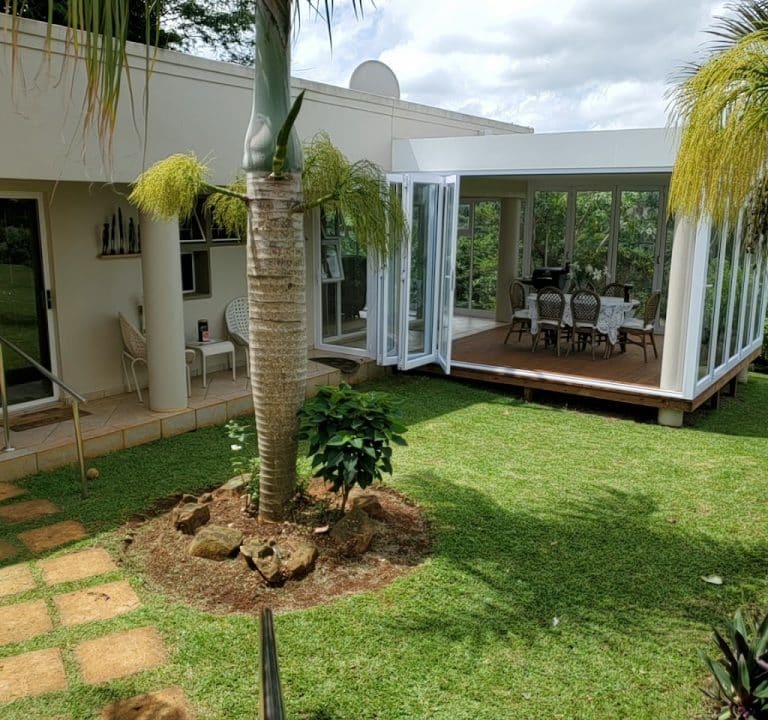
Accommodation in Kloof ranges from guesthouses and self-catering retreats to boutique lodges and small hotels. A notable option for self-catering travellers is CASA MORETTI Guest House, which provides a comfortable home-from-home feel with well-equipped spaces for longer stays. Self-catering is particularly practical for families or groups who want flexibility with meal times and the option to prepare their own meals after a day out exploring. When booking, look for clearly described kitchen facilities, private entrances or garden access, in-unit laundry, secure parking, and reliable Wi‑Fi if you plan to work remotely or stay connected with family back home.
Neighbourhoods and areas to consider in and around Kloof include the leafy residential belt near the forested slopes, the upper reaches closer to nature reserves, and the more compact village streets that lie within easy reach of local shops and eateries. If you’re driving, ensure your accommodation offers adequate parking and is aware of any steep driveways or tight access routes. Some properties provide shuttle or car rental facilitation, which can be a plus for visitors who want to explore Durban’s broader coastline or the inland trails without the hassle of urban parking.
Booking tips: when selecting a place to stay, prioritise clear descriptions of rooms or units, photos that show the actual space, and a transparent cancellation policy. Check what is included in the rate—air conditioning for Durban’s humidity, heating for cooler evenings, and whether complementary tea and coffee are provided. For self-catering units, confirm the pantry basics, fridge and oven/ hob functionality, and whether utensils and cookware are sufficient for your planned menus. If you have mobility needs, ask about ground-floor access or stair-free options and whether bathrooms have non-slip floors and grab rails if required. Always read recent guest reviews to gauge consistency in cleanliness, quietness, and responsiveness of hosts or managers.
Facilities you might encounter in Kloof accommodation include private verandahs or gardens, outdoor seating areas, barbecue spaces, and access to shared lounges or dining rooms. Some properties offer organised activities or curated experiences nearby, such as forest walks, birdwatching, or scenic drives through the surrounding hills. Transport links are useful to know: Durban is a short drive away, and major roads provide straightforward routes to the KwaZulu-Natal coastline, game reserves, and the Valley of a Thousand Hills viewpoints. If you’re not driving, check whether your host can arrange transfers or recommend trusted local chauffeurs or ride-hailing options. A map or guest information folder is handy for locating nearby supermarkets, bakeries, and casual eateries where you can enjoy breakfast or a relaxed dinner without venturing far from home base.
Best time to visit Kloof is linked to the region’s subtropical climate. Summers (October to April) can be warm and occasionally humid, with afternoon showers common in the warmer months. Winters (May to September) are mild and pleasant, ideal for outdoor activities such as hill walks and forest trails. Springtime brings fresh greenery and blooming flora, great for nature lovers. If your aim is to combine a peaceful stay with day trips, plan some flexibility around weather, especially if you’re keen on hiking in the nearby forests or exploring the Midlands’ cool, misty mornings.
Attractions and experiences to consider while staying in Kloof include gentle forest trails, scenic lookouts, and easy-going walks that suit families and casual hikers. A short drive will bring you to Durban’s urban attractions, including markets, museums, and seaside promenades with plenty of options for casual meals and sunset strolls. For a balanced itinerary, mix restful mornings at your accommodation with afternoon visits to publicly accessible gardens, viewpoints, or nature reserves in the surrounding hills. If you’re planning to dine out, look for places that emphasise seasonal ingredients, hearty comfort dishes, and patios or courtyards where you can enjoy a relaxed meal after a day of exploring.
Practical tips for a smooth stay in Kloof:
- Book well in advance if you’re travelling during school holidays or peak weekends, especially for popular self-catering options like CASA MORETTI Guest House.
- Notify hosts about your estimated arrival time and any accessibility requirements to avoid delays on check-in.
- Pack adaptable layers for sudden changes in weather and a light rain jacket for outdoor excursions.
- Bring a reusable water bottle and comfortable walking shoes for forest trails and hill paths.
- Respect local quiet hours if you’re staying in residential areas and follow waste disposal guidelines when using self-catering facilities.
- Check nearby dining options and supermarkets in advance, so you have a plan for evenings or rainy days.
For further inspiration and planning resources, you can explore KwaZulu-Natal’s official tourism pages and regional guides. They offer practical travel tips, seasonal highlights, and broad guidance on where to eat, shop and explore in and around Kloof and the wider Durban region. Visiting the area supports a relaxed, family-friendly experience while allowing you to enjoy the subtropical greenery, easy access to nature, and the cultural richness of KwaZulu-Natal.