Accessible, relaxed stays on the Dolphin Coast: where to base your visit and what to do
The Dolphin Coast of KwaZulu-Natal blends golden beaches, river stretches, and subtropical scenery with a laid‑back coastal pace. The coastline runs north of Durban, offering a mix of family‑friendly resorts, boutique guesthouses, self‑catering villas and eco‑lodges set against the Indian Ocean. Whether you want a quiet base near tidal pools, or a lively spot with easy access to cafés, shops and surf, you’ll find options that suit different budgets and travel styles along this stretch of coastline.
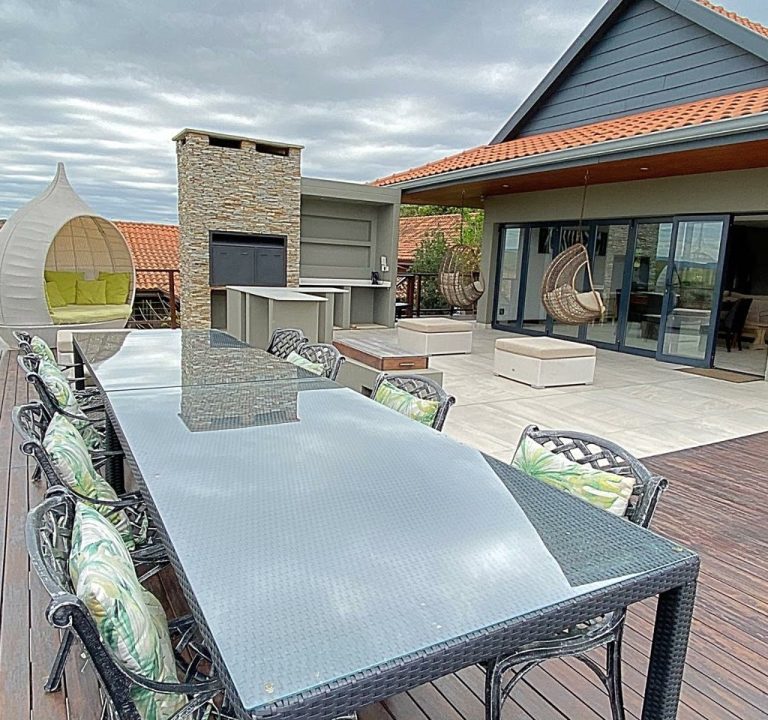
Accommodation on the Dolphin Coast is varied, with areas chosen for different vibes. In smaller coastal towns you’ll find guesthouses perched over the bays, giving you sea views and quick beach access. Further inland, you’ll discover self‑catering villas and private retreats set in quiet residential neighbourhoods, often accompanied by secure parking and private outdoor spaces. For a touch of luxury, there are boutique stays and villas that blend contemporary comfort with local design, sometimes featuring pools, braai areas and terraces that make the most of sea breezes.
When choosing where to stay, consider what you want within easy reach. If you’re travelling with children or prefer long days on the sand, an apartment or villa close to a lifeguarded beach, or within short walking distance of shops and eateries, can be ideal. If you’re seeking a peaceful escape with a focus on nature, look for stays near nature reserves, tidal estuaries or green belt zones that still offer convenient access to beaches.
A typical Dolphin Coast stay offers several common amenities. Look for air‑conditioned or well‑ventilated rooms, reliable wi‑fi, and well‑equipped kitchens or kitchenettes in self‑catering properties. Outdoor spaces are often a highlight: verandas, shaded patios and private gardens with barbecues or braai facilities are popular. Secure parking, swimming pools, and easy beach access are frequently cited features. Where possible, read host notes about noise levels, family‑friendly policies, and accessibility if you have special requirements.
Transport along the coast is straightforward but planning helps. If you’re staying in a town with a regional taxi or ride‑hailing presence, this can be a convenient way to reach beaches, restaurants and markets without the burden of parking. Some accommodation options offer private transfers or can assist with day trips to nearby attractions. Car hire is common for travellers who want to explore the wider region at their own pace, but many visitors also enjoy guided or self‑guided coastal walks and short drives to seafood shacks and nature trails.
The best time to visit the Dolphin Coast is shaped by weather, sea conditions and holiday rhythms. The summer months bring warm seas and lively coastal life, while autumn and winter offer quieter beaches and milder temperatures, which can be ideal for long walks, birdwatching and escape from peak crowds. If you’re drawn to marine life or coastal scenery, consider planning around calmer seas and tidal patterns. Pack sun protection for peak hours, lightweight layers for cooler evenings, and a good pair of walking shoes for beach walks and boardwalk segments.
When planning a stay, a practical approach helps you maximise your time. Here is a compact planning checklist:
- Choose a base that minimises daily transfers—proximity to the beach, supermarket and a few dining options can save time.
- Confirm access to essentials—self‑catering facilities, laundry, parking, and a secure entrance if you’re staying in a villa or guesthouse.
- Check beach access and safety features—lifeguarded areas, flags, and the suitability for children or novice swimmers.
- Look for flexible booking terms and clear policies on utilities and cleaning schedules, especially for longer stays.
- Consider whether you want a pool, sea view, or a garden space for outdoor meals and relaxation.
Attractions and experiences in general terms include time spent on the coast’s broad, sandy beaches, estuary walks and river experiences where wildlife may be observed. Coastal cafés and casual eateries offer fresh seafood, local curries, and light meals with sea views. You may also find markets and small galleries in town centres, where you can sample regional crafts and produce. For day trips, the surrounding hinterland offers nature reserves, hiking trails and viewpoints that showcase the KwaZulu‑Natal landscape without straying far from the coast.
One example of accommodation in this area is a villa-style property known as CASA BALI, which sits among other private villas and boutique stays. Such options often provide a blend of privacy and personalised service, with living spaces designed for easy indoor‑outdoor living and opportunities to enjoy pool or garden amenities. While CASA BALI may be subject to seasonal availability and specific listings, similar villa‑styled stays along the Dolphin Coast provide a good template for what to expect when booking a coastal retreat.
Planning a visit to the Dolphin Coast relies on choosing the right balance of relaxation and access to activities. Whether you want a slow‑paced break with long beach days, or a more active itinerary featuring coastal walks, nature reserves and casual dining, you’ll find it here. Book with patience, read recent guest reviews for honesty about conditions and amenities, and keep an eye on tides and weather windows to tailor your days to sea and sand. With careful planning, a stay on the Dolphin Coast can be a memorable South African coastal experience that combines comfort, convenience and scenic beauty.