Staying in Jeffreys Bay: accommodation, planning and local experiences
Jeffreys Bay in the Eastern Cape is famous for its long, sandy beaches and world‑class surfing. It also offers a friendly, relaxed base for visitors who want to combine beach days with coastal walks, nature reserves, and easy access to neighbouring towns. When planning a stay, think about which part of the town you’d prefer as a base, what amenities you value, and how you’ll get around to enjoy the area’s attractions.
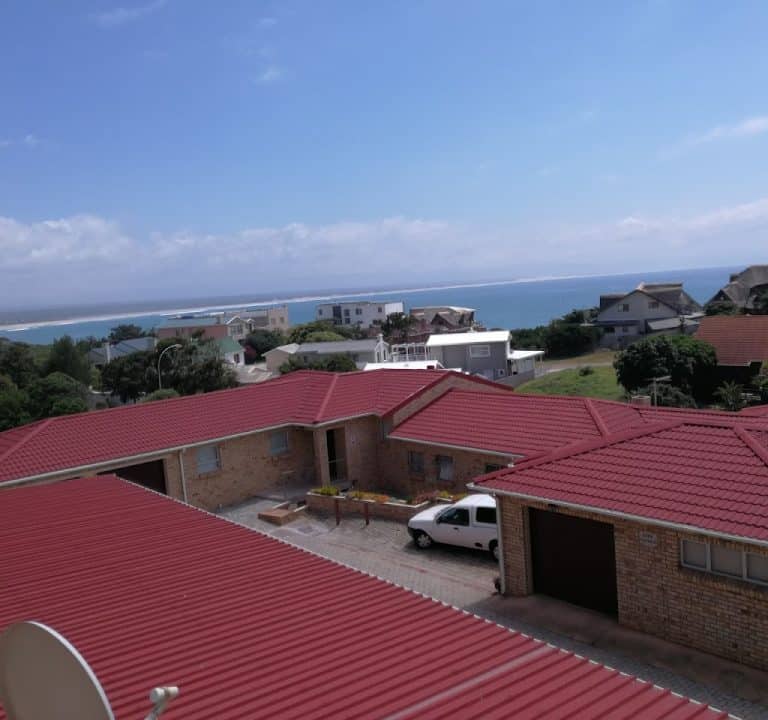
Accommodation in Jeffreys Bay ranges from cosy B&Bs and boutique guesthouses to self‑contained flats and larger hotels. Many properties emphasise a welcoming, home‑from‑home atmosphere, often with a focus on practical comforts such as secure parking, free Wi‑Fi, and easy beach access. If you’re travelling with family or a small group, you’ll find a variety of apartments and cottages that offer living space and kitchen facilities, which can help with meal planning after a day on the sand or exploring nearby trails.
Areas to consider when choosing where to stay include the town centre, where you’ll find restaurants, shops and easy beach access; Paradise Beach, known for its calmer stretch of coast and family‑friendly atmosphere; and the coastal pockets closer to the main surf breaks, which can offer closer proximity to the sea and a more laid‑back vibe. If you’re keen on long coastal walks or mountain views, look for options near access routes to Kabeljous Nature Reserve or the nearby nature reserves beyond the town. Where possible, check whether your accommodation provides direct beach access or a short stroll to a lifeguarded area, as this can make a big difference to your daily plans.
Typical amenities you might encounter include en suite bathrooms, cooking facilities such as a kitchenette or self‑catering options, private patios or balconies with sea or garden views, and outdoor spaces for barbecues or sunset gatherings. A secure parking area or garage is particularly helpful in busy periods, and some properties may offer laundry facilities, sea‑view lounges, or shared verandas. If you value eco‑friendly practices, look for hosts that promote recycling, water conservation, or solar power and ask about energy use practices before booking.
Planning your transport is a practical step. While Jeffreys Bay is a walkable town in many areas, a car is often the most convenient way to explore beyond the immediate waterfront. If you’re staying near the centre, you’ll still rely on a vehicle for longer day trips to nearby towns or for visits to nature reserves. Public transport options are limited compared with larger cities, so many visitors arrange private transfers or hire a car for the duration of their stay. If you prefer not to drive, check whether your accommodation can arrange local shuttle services or guided day trips that include beaches, viewpoints and lightweight hiking routes.
The best time to visit Jeffreys Bay is guided by personal interests. The town’s surf season runs through autumn and winter with larger swells, while summer brings warmer sea currents and calmer coastal days suited to sunbathing and snorkelling. Shoulder seasons—spring and autumn—often offer milder weather, thinner crowds and more affordable rates, making them excellent for longer getaways or a relaxed pace of sightseeing. If you’re a beachgoer, aim for seabreeze-friendly mornings and plan wind‑free beach days in the afternoons, particularly in the peak summer months.
When it comes to planning ahead, consider a flexible itinerary that balances beach time with light adventure. Start with a couple of seaside mornings, perhaps followed by a walk along the coastline or a nature reserve visit in the afternoon. If you enjoy fresh seafood, you’ll find a range of restaurants in and around Jeffreys Bay that focus on simple, well‑prepared dishes that celebrate local ingredients. For those seeking something a little more casual, many eateries offer take‑away options or family‑friendly dining with menus that suit children and adults alike. Always check opening hours in advance, as some establishments adjust schedules seasonally.
Practical tips to keep in mind:
- Book well in advance during peak surf season and school holidays to secure preferred locations and better rates.
- Pack UV protection, a hat, and lightweight layers for changing coastal winds.
- Bring a basic first‑aid kit and know the location of the nearest medical facility to your accommodation.
- Check parking arrangements and any access restrictions for your property, especially if you’re staying near popular beaches.
- Respect local environmental guidelines when visiting nature reserves and protected coastline areas.
For those seeking examples of accommodation or ideas for getting started, you may come across a range of options including guesthouses that prioritise guest comfort, smaller hotels with ocean views, and self‑catering units near the beachfront. While specific properties and amenities vary, the overarching focus remains constant: straightforward access to Jeffreys Bay’s iconic beaches, a friendly community atmosphere, and practical conveniences that make a stay comfortable and easy to plan. For more information, explore reputable travel platforms or the official tourism pages that highlight current listings and practical tips for visitors.