Johannesburg: Where to Stay, What to Do and How to Plan a Memorable Visit
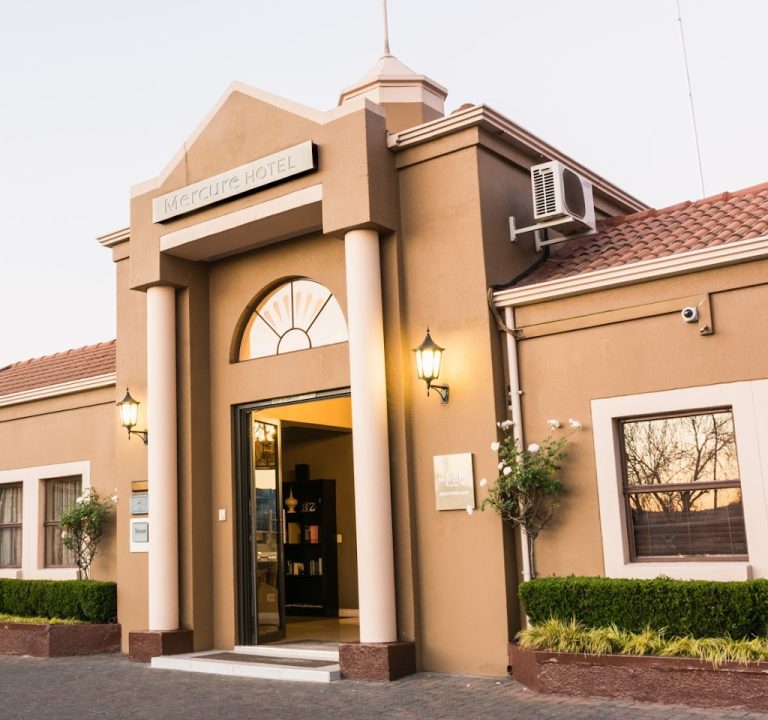
Johannesburg, a dynamic gateway to South Africa’s Gauteng province, offers a broad spectrum of accommodation to suit every travel style. From stylish boutique guesthouses tucked into leafy neighbourhoods to contemporary hotels in bustling urban hubs, the city is built for comfortable stays with easy access to transport links and a variety of attractions. When planning a visit, consider both the neighbourhood atmosphere and the practicalities of getting around, so you can balance downtime with discovery.
Areas to consider for your stay
Sandton and the northern corridors are well connected and feature multiple high‑end hotels, shopping centres, and business facilities. Rosebank provides a cosmopolitan vibe with easy access to the Gautrain, a quick hop to central Johannesburg and areas further afield, plus a lively market scene on weekends. Braamfontein and Maboneng are popular for travellers seeking a cultural edge, with rooftop bars, street art, and a cluster of chic eateries. If you are looking to connect with history and communities, Soweto offers a range of social and cultural experiences and a different pace of life. For those seeking more suburban comforts, friendly guesthouses and small hotels in leafy precincts around Melville or Bedfordview provide a restful base while remaining within easy reach of city sights.
What to look for when booking
- Location relative to sites you want to visit and to transit options, such as the Gautrain stations or major road arteries.
- Parking arrangements if you are hiring a car or planning day trips that require driving.
- Guesthouse or hotel amenities such as secure access, reliable wi‑fi, a pleasant breakfast offering, and on‑site dining options.
- Room configuration and noise levels, particularly if you favour a quiet night in a busy urban setting.
- Flexibility of the booking and policies on cancellation, which can be important in a city with variable travel plans.
Typical amenities and what to expect
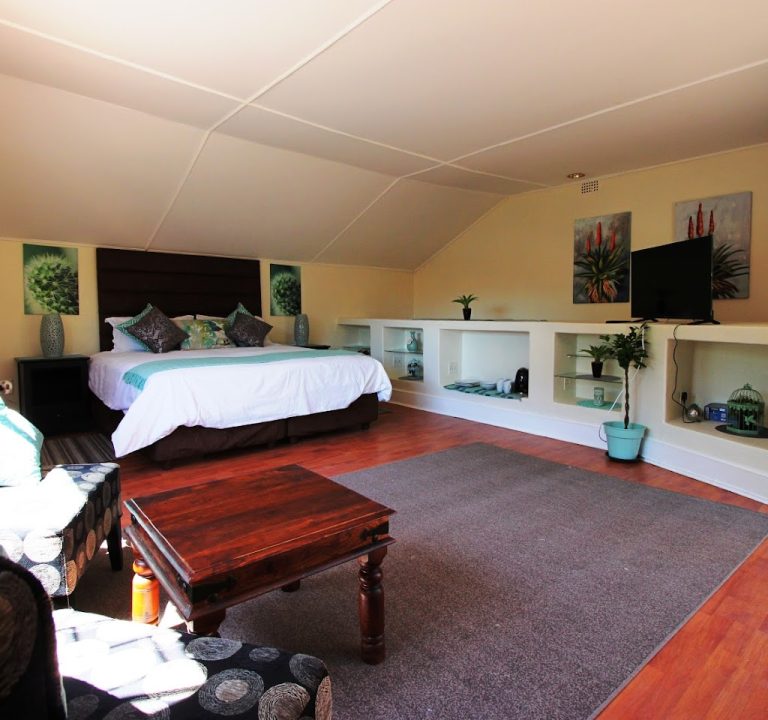
In Johannesburg, many options provide guest‑focused touches: comfortable en‑suite rooms, complimentary breakfast, and access to common areas designed for socialising or quiet work. A growing number of properties emphasise eco‑credentials or community engagement, offering curated experiences that connect guests with local culture. If you plan longer stays, look for facilities like a small kitchen or kitchenette, laundry services, and clear information about nearby supermarkets and markets. For short city breaks, convenient access to a reputable restaurant on site or within a short stroll can be a real advantage, saving transport time after a day of exploring.
Transport and getting around
Johannesburg’s transport mix is one of its practical strengths. The Gautrain offers fast rail links between OR Tambo International Airport, Sandton, and Pretoria, making day trips efficient. Local taxis and rideshare services are widely used, while certain neighbourhoods have bus routes or easy access to main arterials for self‑driving guests. When planning day trips, it helps to map routes from your base to the central city sights, as well as to more distant experiences in the cradle of the city’s history and nature preserves.
Best time to visit
Johannesburg benefits from a temperate climate with distinct seasons. Spring and autumn often deliver comfortable daytime temperatures and softer outdoor conditions for city strolling or outdoor dining. Summer can be lively with occasional rains, while winter is generally mild and dry. If you are keen to attend markets, galleries, and cultural events, align your stay with weekends and local festival calendars. For those seeking lighter crowds and more affordable rates, shoulder seasons can offer good value without compromising access to major attractions.
Attractions and experiences (general terms)
Within the city, visitors can explore museums, historic sites, and vibrant precincts with street art, galleries, and local eateries. City parks and lookout spots offer opportunities for panoramic views over the urban landscape. Shopping districts range from contemporary malls to crafts and design markets that reflect Johannesburg’s diverse communities. For a deeper dive into South Africa’s history, guided tours to townships and heritage sites provide context and storytelling from residents and guides. Dining options span stylish modern eateries to established restaurants serving a range of cuisines. A note for food lovers: there are well‑regarded venues that pair local produce with international flavours while maintaining a distinctly South African hospitality ethos. Readers may also consider adding a restaurant such as Cardoso Portuguese Kitchen Bar & Lodge to their itinerary for a dining experience that complements a stay in Bedfordview, accessible via local transport links and offering a respite after a day of touring. More information about dining and stay options can be found on the venue’s official website: http://www.cardosobedfordview.co.za/
Practical tips to maximise your stay
- Book accommodation with easy access to a primary transit route or a Gautrain station to minimise travel time.
- Check for secure parking if you are driving, and ask about nearby safe walking routes for evening outings.
- Plan a mix of city highlights and relaxed downtime to avoid fatigue; a well‑located base allows you to return for a siesta or a dip in a pool between excursions.
- Make reservations for popular dining spots or experiences, especially over weekends or holidays.
Johannesburg combines energy with warmth, offering a wide range of places to rest, eat, and explore. With thoughtful planning—matching the choice of neighbourhood, the right amenities, and flexible transport options—you can enjoy a vibrant, well‑paced stay that captures the essence of this dynamic South African metropolis.