Capelands Italian Restaurant & Wine Farm is a Restaurants establishment in Cape Town, Western Cape, South Africa
Capelands Italian Restaurant & Wine Farm: A Cape Town Countryside Escape with Italian Flair
Capelands Wine Farm Guesthouse offers visitors a distinctive blend of vineyard serenity and Italian hospitality just outside Cape Town. Set within a 12.5-hectare farm in Somerset West, the property provides a refuge where rustic charm meets the ocean horizon, inviting guests to slow down and savour a “slice of Italy” amidst South Africa’s own winemaking tradition. The setting is characterised by vineyards framed by mountain vistas and sweeping coastal views, creating an atmosphere that feels both intimate and expansive.
At the heart of the Capelands experience is the Trattoria, a farm-to-table dining haven that brings traditional Italian family recipes to life with fresh, local ingredients. Guests can enjoy meals in a setting that reflects Capelands’ philosophy of warmth and generosity, with dishes that celebrate the season and the local terroir. The on-site dining experience complements the wines produced on the farm, making it easy to pair food with Capelands’ distinctive Redstone and Whitestone selections.
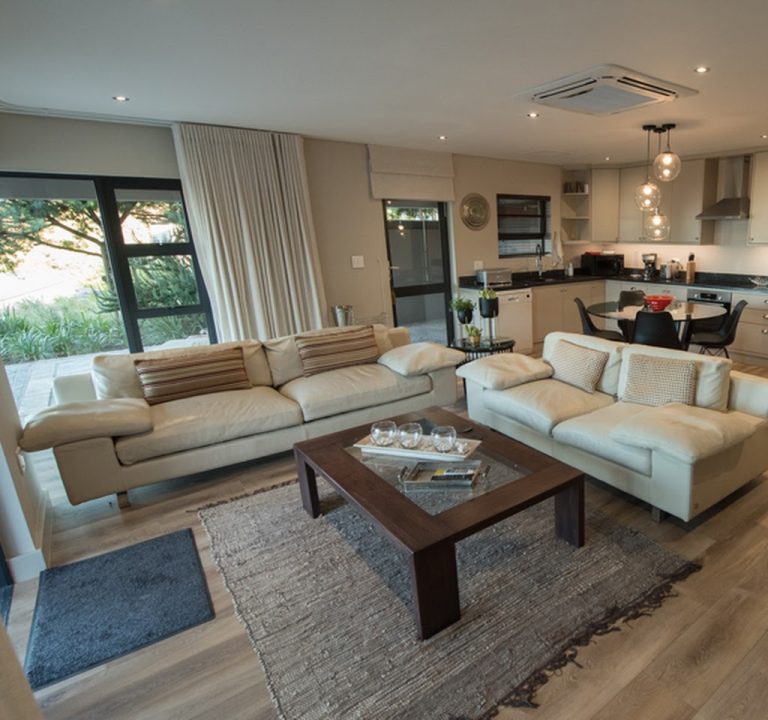
Accommodation at Capelands is described as a private sanctuary, designed to offer restful, personalised stays within the farm’s country-charm framework. The Country Comfort Suites and Cottage provide a retreat that emphasises relaxation and a sense of belonging to the Capelands family. The offerings include rooms and cottages named to evoke their character—Redstone, Whitestone, and Garden Cottage—suggesting a suite of options to suit different travel needs while maintaining a cohesive, rustic aesthetic. The emphasis is on creating a peaceful, home-away-from-home ambiance where guests can unwind and absorb the beauty of Somerset West.
For travellers who appreciate both wine and art, Capelands adds another layer of appeal. The winery side highlights Capelands’ long-standing craft, with Redstone as the signature selection crafted primarily from Cabernet Sauvignon and Malbec. Whitestone presents a refined white collection featuring Chenin Blanc, Sauvignon Blanc, and Viognier. The wines are produced in limited quantities, reflecting a careful, patient winemaking approach that has developed a devoted following over more than four decades. Additionally, art emerges as an intrinsic element of Capelands’ identity, with Laura Mauri’s designs gracing select wine labels—an extra touch that makes each bottle feel like a small, living work of art. A link to the wine gallery invites guests and wine lovers to explore this creative dimension further: View Our Art Gallery.
Capelands’ setting also positions it as a gateway to a wider range of experiences in the Western Cape. The property sits within reach of Cape Town’s dramatic coastal scenery and a rich slate of nearby attractions. Table Mountain and the broader Cape Winelands are highlighted as part of the region’s appeal, while the Cape Whale Coast and Hermanus offer marine encounters and whale watching opportunities. Nearby wildlife experiences, penguin viewing in the Cape region, and the Kirstenbosch Botanical Garden add variety for guests seeking day trips or gentle excursions. The nearby beaches along Gordons Bay and the broader Atlantic coastline provide further reasons to linger and explore the area between winery visits and Trattoria meals.
For those planning a visit, Capelands presents itself as a convenient base for travellers who wish to combine a wine-country stay with Italian-inspired dining, artful wines, and a sense of place rooted in the Somerset West landscape. The combined experience of vineyard walks, ocean horizons, and rustic luxury makes Capelands an appealing choice for couples seeking a romantic break, families seeking a relaxed farm stay, or groups looking to enjoy the vineyard milieu without sacrificing comfort or access to high-quality dining.
Practical considerations for potential guests include the emphasis on on-site dining and a private-stay philosophy. The accommodation is described in terms of suites and cottages, offering a personalised, tranquil environment rather than a high-density hotel experience. The property’s Italian theme and family-friendly hospitality are designed to provide a cohesivestay, with the Trattoria and the wine farm working in concert to deliver a holistic capstone to the Somerset West visit.
Booking and travel tips include exploring the Capelands website for the latest menu highlights and wine selections, as well as viewing the art-inspired wine labels to appreciate the unique collaboration between winemaking and visual art. The “View Our Art Gallery” link serves as a useful waypoint for travellers who wish to understand Capelands’ creative narrative before arranging a stay or restaurant visit. As with any countryside stay in the Western Cape, planning ahead around seasonal dining offerings and a potential tasting schedule can help maximise the experience.
In sum, Capelands Italian Restaurant & Wine Farm presents a refined yet welcoming tapestry of Italian-inspired hospitality, winery craftsmanship, and scenic South African landscapes. It is a place where guests can sip, savour, and soak in the scenery, while staying in intimate, country-charm accommodations that fuse comfort with the farm’s long-standing traditions. The combination of a trattoria dining experience, a curated winery programme, and a private-country retreat makes Capelands a distinctive option for travellers seeking a thoughtful, immersive stay in the Cape region.
- Nearby attractions span Table Mountain, Kirstenbosch, Cape Winelands, and the Cape Whale Coast, offering a range of nature, culture, and wildlife experiences.
- The property emphasises artisanal wine production and a gallery-inspired label collection, enriching the overall guest experience.
- Accommodations include Redstone, Whitestone, and Garden Cottage within the Country Comfort Suites & Cottage, designed for personalised stays on a working farm.
Cape Town
Western Cape
7130
South Africa


Cape Town and the Western Cape: A Guide to Staying Well and Exploring Hit-List Attractions
The Western Cape combines extraordinary scenery, maritime vibes, and a remarkable family of towns and villages, from buzzing Cape Town to serene vineyard valleys and coastal retreats. When planning a stay, choose a base that suits your pace: a city-centric apartment for easy access to shops and nightlife, a guesthouse in the winelands for tranquil mornings and day trips, or a coastal lodge for breezy sea views and long beach walks. The region’s accommodation options span BnBs, guesthouses, boutique hotels, and self-catering cottages, each offering different levels of personal touches, breakfast options, and proximity to highlights.
Areas to consider include:
- City centre and the Atlantic Seaboard for convenience, restaurants, museums, nightlife, and quick sightseeing access.
- Greenpoint and de Waterkant for a blend of waterside scenery and cosmopolitan dining.
- Southern Suburbs and Constantia for leafy streets, vineyards, and easy access to Table Mountain’s back routes.
- The Cape Winelands (Stellenbosch, Paarl, Franschhoek) for vineyard experiences, wine tastings, and sophisticated dining in a countryside setting.
- Somerset West and surrounding towns for scenic drives, beaches, and farm-to-table dining.
When booking, look for several telltale signs of a well-run stay. Clear cancellation policies and transparent pricing help with planning. A good pantry or en suite kitchenette can save meals on arrival, while reliable Wi‑Fi, decent lighting, and comfortable beds underpin a restful break. If you’re staying near the coast or in the winelands, note whether the property offers private parking, shuttle arrangements, or easy public transport access—these can save time on tight itineraries. Reviews that mention sanitary practices, quiet hours, and responsive hosts are especially valuable for a relaxed visit.
Typical amenities to expect include en suite bathrooms, heating or air conditioning, and a choice between self-catering and full breakfast, plus access to communal lounges or outdoor spaces. In the winelands, some guesthouses publish curated experiences—guided cellar tours, chef-prepared menus, or paired tastings—that can enhance your stay without venturing far from base. In Cape Town itself, many properties offer guidance on day trips, but you’ll also want to plan transport, as the city’s hills and distances can be deceptive.
Transport tips for a smooth stay:
- Consider renting a car for flexibility, especially if you’re exploring the winelands or the coast. Some towns offer excellent public transport or shuttle services to major sights.
- For urban days, use reputable ride-hailing apps, and assign a sensible daily drive route to cluster sights efficiently—Table Mountain, Kirstenbosch, and the V&A Waterfront are best enjoyed with a plan to avoid peak traffic.
- From Cape Town International Airport, transfers or a pre-booked private driver can simplify arrivals and departures, particularly if you’re staying outside the city bowl.
The best time to visit depends on what you seek. Summer (November to March) brings longer days, beach weather, and lively outdoor events, while spring (September to November) and autumn (March to May) offer milder temperatures and lush scenery, ideal for wine-tasting and hiking. Winter (June to August) can be cooler and wetter, yet it is a great time for fewer crowds in favourite sights and to enjoy cosy restaurant experiences. If you’re chasing whale-watching, the Cape Whale Coast around Hermanus is particularly rewarding in the cooler months, whereas the Table Mountain area shines with clear, crisp views on many winter days.
Practical tips to help you get the most from your trip:
- Pack layers: coastal winds can be brisk, even on warmer days, and sun protection is essential year-round.
- Plan a balance of indoor and outdoor activities to hedge against changeable weather.
- Book popular experiences, such as wine tastings or Table Mountain cableway slots, well in advance during peak seasons.
- Don’t underestimate travel distances in the Western Cape; allow for scenic delays and time spent at viewpoints or along coastal routes.
- Support locally owned accommodation and eateries to experience authentic hospitality and regional flavours.
South Africa’s Cape Town region is grounded in a remarkable sense of place: rugged coastlines, historic towns, and a dynamic food-and-wine culture. Capelands, for example, offers a taste of vineyard life close to Somerset West, pairing rural hospitality with wine and farm-to-table dining. Whether you base yourself in the city or in a vineyard retreat, you’ll be well positioned to explore world-class viewpoints, iconic trails, and an array of restaurants that celebrate the fresh produce of the Western Cape. Remember to check distance-to-sights in your chosen base and allow extra time for memorable detours along the way.
To start planning, consider browsing accommodation pages that emphasise location, transportation options, and guest experiences. For a taste of winery hospitality and a scenic farm setting near Somerset West, Capelands and similar properties can provide a comfortable launching point for your Western Cape itinerary. Explore local wine routes, coastal towns, and nature reserves, and you’ll craft a balanced, enjoyable stay in Cape Town and its enchanting surrounds.
Sorry, no records were found. Please adjust your search criteria and try again.
Sorry, unable to load the Maps API.
Why Claim Your Listing?
Claiming your listing on the B&B Finder directory website is a valuable opportunity for business owners. Here are five reasons why you should consider claiming your listings:
Control Over Business Information: By claiming their listing, business owners can ensure that all the information presented is accurate and up-to-date. This includes details such as contact information, address, pricing, and available services or amenities. Accurate information helps prevent customer confusion and improves overall satisfaction.
Enhance the Listing: Once a listing is claimed, owners can enhance it by adding more comprehensive information and rich media, like high-quality photos and videos. These additions can make the listing more attractive and engaging to potential customers, thereby increasing the likelihood of bookings.
Marketing Opportunities: Claiming a listing can also open up additional marketing opportunities. Owners may be able to participate in promotional campaigns, special offers, and other marketing activities organized by the directory. This can increase visibility and attract more customers to the business.