Ranger, KwaZulu-Natal: accommodation and plan for a memorable stay
Ranger is a gateway to some of KwaZulu-Natal’s most celebrated landscapes, including the iSimangaliso Wetland Park and the Hluhluwe–Imfolozi Reserve. A well-planned stay here blends comfortable stays with easy access to wildlife experiences, coastal scenery and traditional Zulu hospitality. Whether you prefer a cosy guesthouse, a boutique lodge, or a self-catering cottage, the area offers options that suit a range of budgets and travel rhythms.
When choosing where to base yourself, consider how you want to spend your days. If your main aim is wildlife viewing and conservation areas, a lodge or guesthouse nearer to park entrances can save time on long transfers. For a slower pace and easy access to beaches, lagoons and local restaurants, look for properties closer to the coast or within smaller village streets with shade trees and verandahs. In general, properties here prioritise a warm, friendly ethos, with hosts often able to share insider tips on seasonal animal activity, tide schedules and local culture.
Typical accommodation styles you’ll encounter include intimate coastal lodges with sea views, river-facing guesthouses, and self-contained cottages set in palm-fringed gardens. Many properties offer inclusive breakfast, and some provide guided activity days, such as nature walks, boat trips, or guided game drives. Amenities commonly found across the range include air-conditioned or fans in rooms, en-suite bathrooms, secure parking, and information packs about local attractions. If you are travelling with family or a group, look for properties offering family suites, larger living spaces, and easy outdoor access for children.
Transport to and from Ranger varies with your chosen base. If you arrive by air, the nearest major international gateway is typically Durban or Richards Bay, followed by a domestic drive or guided transfer. Within the area, a car provides the greatest flexibility for exploring regional parks, beaches, and coastal villages. Some guesthouses and lodges arrange transfers or offer organised day trips to key wildlife sites, beaches, and cultural encounters, which can be a convenient option if you prefer not to self-drive. For shorter hops and scenic routes, consider prioritising lodging with proximity to the coast or riverine paths, so you can stretch your legs along boardwalks and dune trails without long drives between activities.
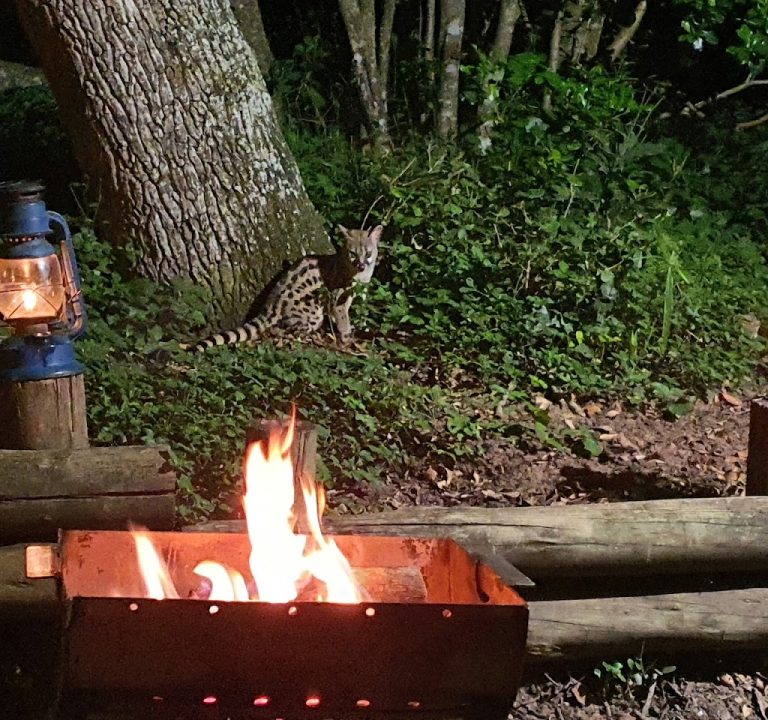
Best time to visit the Ranger region depends on what you want to experience. The sub-tropical climate brings warm, humid summers with afternoon showers and cooler, dry winters. Wildlife viewing tends to be good year-round, though marked seasonal shifts can affect the visibility of certain species. For birdwatchers, the dry season often offers clear mornings and more reliable sightings along riverbanks and wetlands. If you hope to combine water-based activities with wildlife, plan for late spring or early autumn when conditions are typically comfortable for both boat safaris and longer outdoor days.
Booking tips to help you get the most from your stay:
- Read guest reviews carefully for details about comfort, noise levels, and the attentiveness of staff or hosts.
- Ask about breakfast options, dinner availability, and whether meals can be arranged to accommodate dietary needs.
- Check access to essential amenities such as reliable air-conditioning or fans, hot water, and secure parking.
- Inquire about guided activities, including game drives, walking safaris, or boat trips, and whether these can be tailored to your group’s interests.
- Verify proximity to planned activities and park entrances to reduce driving time after early starts for wildlife viewing.
- Consider a flexible plan that allows one or two rest days, especially after long drives or early-morning excursions.
- Confirm whether your accommodation provides information on safety, weather, and tide times for beach days.
When it comes to planning an itinerary, you can balance wildlife with culture and coastline. Early-morning game drives or river safaris can set a quintessential wildlife tone, followed by a lazy afternoon on a beach or one of the area’s tidal lagoons. Dune walks, boardwalks, and modest hiking routes offer gentle activity between wildlife encounters. For dining, expect laid-back venues in village centres and lodges with verandah seating where you can reflect on the day’s sights while enjoying seasonal, locally sourced ingredients and seafood choices.
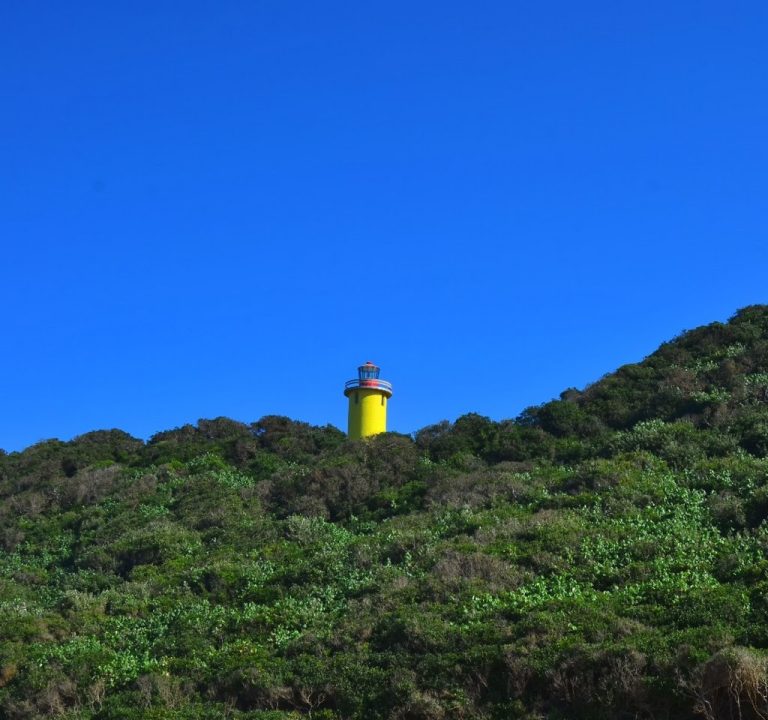
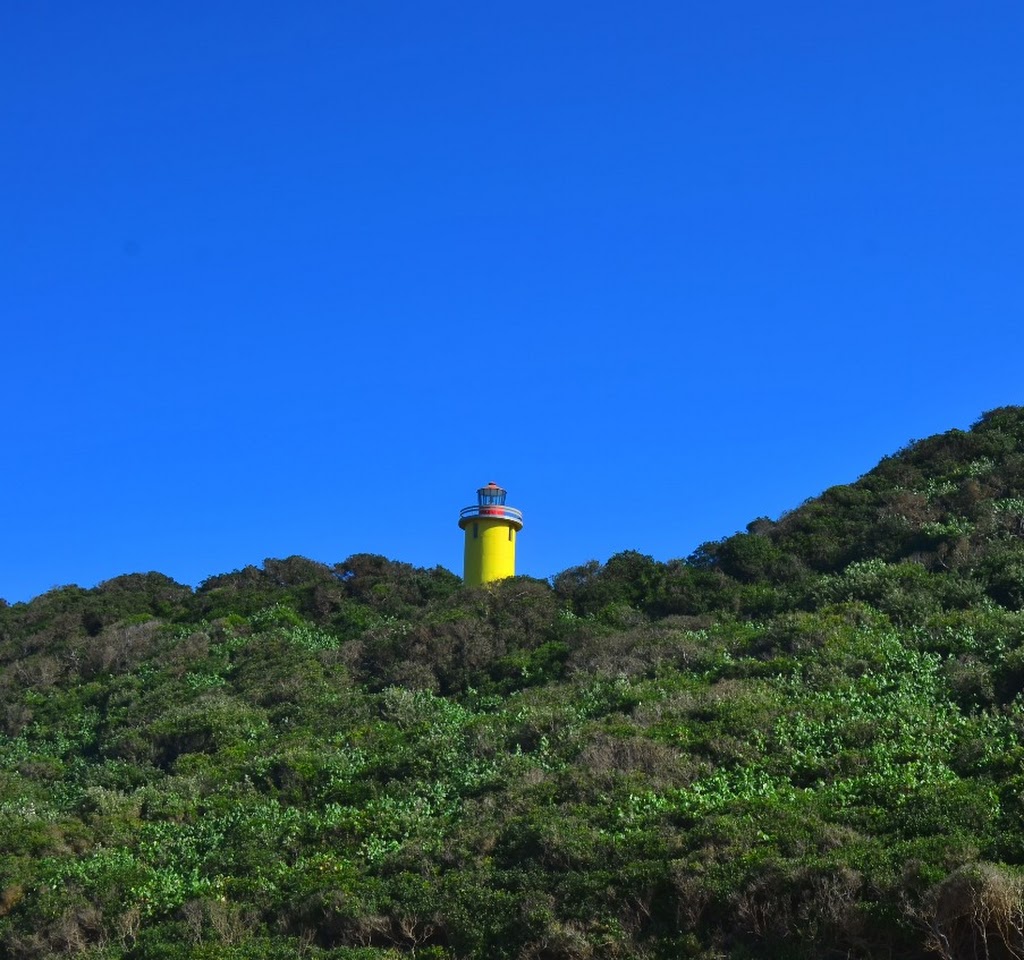
Key attractions in the broader region include protected coastal ecosystems, birdlife-rich wetlands, and historical landmarks that celebrate coastal navigation and local history. The Cape Vidal Lighthouse, a notable historical landmark a short distance away, offers panoramic views and a sense of maritime heritage that complements nature-based experiences. For planning purposes, you can explore official tourism resources for the iSimangaliso corridor to identify accessible trails, park entries, and seasonal closures. Links to regional tourism information can help you tailor your stay to your interests and travel dates: iSimangaliso Wetland Park and SANParks provide overviews and practical guidance for visitors in KwaZulu-Natal.
In short, Ranger offers a blend of relaxed hospitality and gateway access to some of South Africa’s most compelling wildlife and coastal scenery. By choosing accommodation with the right location, clear information on facilities, and the option of guided activities, you can craft a stay that feels effortless yet richly rewarding. With careful planning and an open itinerary, your visit to this part of KwaZulu-Natal can be a memorable mix of nature, culture and comfortable, stay-ready accommodation.