Discover Cape Town: Where to Stay, What to Do, and How to Plan Your Visit
Cape Town, perched beneath the iconic Table Mountain and embraced by the Atlantic Ocean, offers a rich mix of landscapes, cultures and experiences. Whether you favour a cosy bed and breakfast tucked into winding lanes, a chic boutique hotel with panoramic views, or a guesthouse near a vibrant harbour, the city provides options to suit a range of tastes and budgets. Planning a stay in Cape Town involves selecting a neighbourhood that matches your priorities—whether it’s coastal access, leafy tranquillity, or easy access to the city’s markets and museums.
Areas to consider reflect the rhythm of the city. The Atlantic Seaboard, including Camps Bay and Clifton, is prized for sun-drenched beaches and stylish dining, with many properties offering sea views and easy beach access. The City Centre and the historic Bo-Kaap district put you in walking distance of museums, galleries, and markets, with a lively urban atmosphere and excellent transport links. Constantia, perched just above the city bowl, offers verdant wine routes, country houses and serene guesthouses set among vineyards. For family stays or a green, park-lined backdrop, the suburbs near Kirstenbosch Botanical Garden provide easy access to nature trails while still being within reach of the city hub.
When choosing accommodation, practical features to prioritise include secure parking if you’re self-driving, reliable Wi‑Fi, and generous breakfast options if you prefer a morning meal in-house. A number of B&Bs and guesthouses in Cape Town emphasise colonial or modern boutique styling, with personalised service and local recommendations. Look for rooms with en-suite facilities, a comfortable workspace if you’re travelling for work, and a restful lounge or outdoor seating area where you can unwind after days of sightseeing. In short, seek places that feel like a home away from home, with hosts who can tailor suggestions to your itinerary.
Typical amenities you may encounter include private or shared lounges, pools or sun decks, and garden spaces for relaxed mornings or late-evening chats. Breakfasts range from continental to full hot options, often featuring fresh fruit and local breads. If you’re exploring the Cape Peninsula, proximity to reputable transport routes matters. Public transport is available in the city region, including MyCiTi bus services, while ride-hailing apps can be convenient for after-dark outings. A walkable neighbourhood can also save time, letting you pair mornings with short strolls to cafés and markets.
Best time to visit Cape Town tends to hinge on weather and tides. The summer season (November to March) brings longer days, warm seas and lively outdoor events, ideal for beach days and outdoor breakfasts. Autumn (April and May) offers cooler, mild days with fewer crowds, a pleasant window for hiking in the foothills or vineyards. Winter (June to August) brings cooler, wetter weather; it’s a quiet period for city activities, but you can still enjoy cultural venues and museum days in comfortable spaces. Spring (September and October) brings a gentle renewal with blooming gardens and favourable conditions for coastal drives. Regardless of when you go, planning around a blend of outdoor time and indoor cultural or culinary experiences helps create a balanced itinerary.
One practical tip is to keep a flexible approach to meals and activities. Cape Town’s dining scene ranges from casual beachside cafes to sophisticated restaurants showcasing local ingredients. In addition to iconic routes, seek out recommendations for markets and street food hubs where you can sample Cape Malay flavours, fresh seafood and farm-to-table offerings without fixed reservations. If you enjoy experiences beyond food, consider guided walks through historic districts, scenic coastal drives, or easy hikes that suit your fitness level. Booking some popular experiences in advance can help, but leaving room for spontaneous discoveries—like a sunset stop at a viewpoint or a local craft market—often yields the best memories.
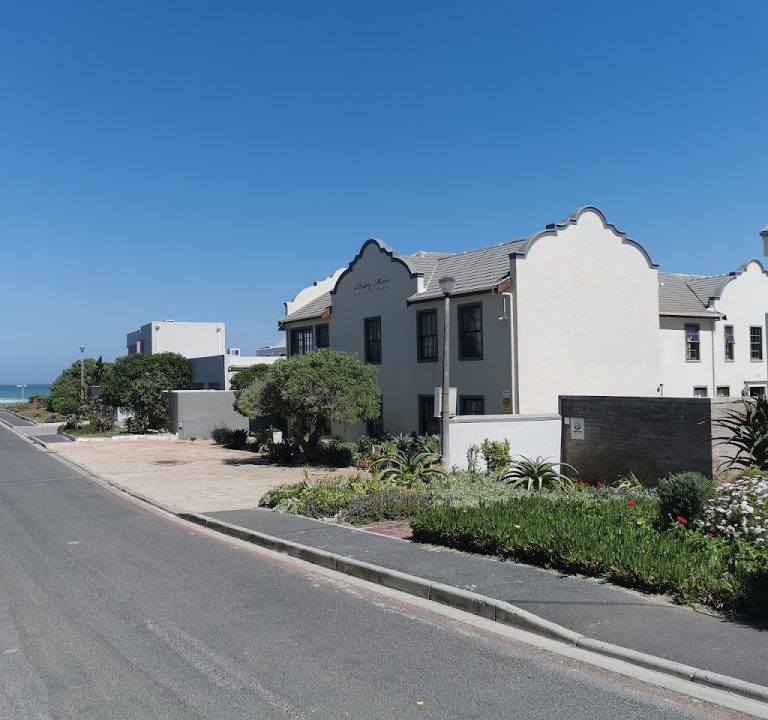
Accommodations such as bed and breakfasts or guesthouses can offer more personalised, locally rooted stays. For visitors interested in a charming option in a family-friendly structure, you might discover establishments that provide generous breakfast spreads, friendly hosts, and quiet gardens—settings that encourage longer, relaxed mornings before heading out to explore. A Cape Town B&B with a reputable breakfast service and nearby transport links can be especially convenient for guests planning day trips to the Cape Winelands, Cape Point, or the Kirstenbosch area.
For those considering a stay near the water or with easy access to the city’s countryside, a sample option exists at Cape Town Kite Club. This bed & breakfast provides a convenient base for visitors who wish to combine restful mornings with access to outdoor activities along the coast. Visit the venue’s website for further details and to assess how the location aligns with your plans: Cape Town Kite Club.
To help you plan a balanced itinerary, here is a concise planning checklist:
- Choose a central base with reliable transport links to major sights and day trips.
- Prioritise a comfortable breakfast option and guest-friendly spaces for downtime.
- Consider a mix of coastal, urban, and hillside activities to maximise experiences.
- Book popular attractions in advance during peak seasons, but leave some days open for spontaneous discoveries.
- Factor in safety and practicalities, such as secure parking, secure access, and well-lit streets in the evenings.
With careful planning, a stay in Cape Town can blend scenic beauty, cultural richness, and gastronomic delight into a wonderfully layered travel experience. The city’s diverse neighbourhoods offer something for every traveller, whether you seek stylish coastal living, quiet garden escapes, or bustling urban exploration. By selecting accommodation that aligns with your pace and interests, you’ll set the tone for an unforgettable Cape Town stay.