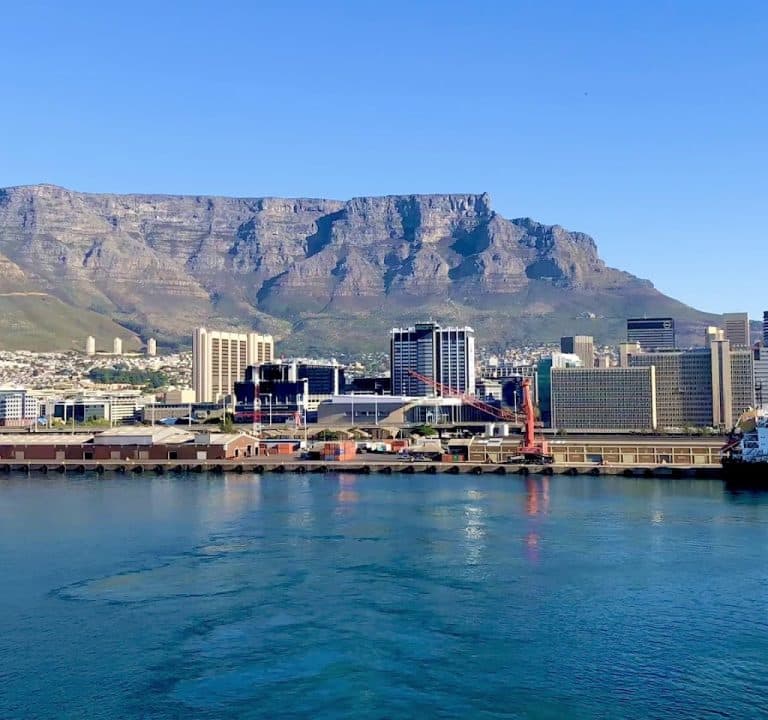
Cape Town Cruise Terminal is a Cruise terminal establishment in Cape Town, Western Cape, South Africa
Cape Town Cruise Terminal: An Observer’s Overview of the V&A Waterfront Gateway
Situated at the scenic edge of Cape Town’s harbour, the Cape Town Cruise Terminal sits within the vibrant V&A Waterfront precinct, a neighbourhood renowned for its maritime heritage, contemporary dining, and culture-rich experiences. From a visitor’s perspective, the terminal acts as the arriving gateway to a larger waterfront environment that blends easy access to the city with a curated mix of entertainment, shopping, and coastal leisure. The surrounding area is designed to welcome travellers with convenience and a sense of place, offering a seamless transition from ship to shore.
As an anchor in the broader V&A Waterfront ecosystem, the cruise terminal benefits from the precinct’s heritage of hospitality and service. The Waterfront’s approach to guest-facing experiences emphasises community, inclusivity, and practical support for visitors and local businesses alike. This ethos is reflected in the broader mission to foster a neighbourly atmosphere where visitors can explore safely, enjoy authentic South African hospitality, and connect with a network of partners dedicated to sustaining a lively and welcoming harbourfront.
From the moment disembarkation begins, travellers can expect a focus on efficiency and clarity. The precinct has established systems to help guests orient themselves quickly—whether seeking public transport connections, guided tours, or self-guided explorations of the area. While the terminal itself marks the entry point, the wider waterfront offers a variety of options to tailor a day ashore, ranging from scenic harbour walks to curated city experiences, all within a compact and navigable footprint.
Inside the surrounding precinct, a diverse spectrum of experiences awaits. The V&A Waterfront is home to art, culture, and performance, with programmes that highlight local talent and global perspectives. This includes partnerships and initiatives that promote creativity, community engagement, and professional development for those working in hospitality, tourism, and related sectors. Such initiatives help shape a visitor experience that is not only enjoyable but also informative, giving travellers a sense of how the city’s famous harbour has evolved from its maritime roots into a dynamic, contemporary hub.
For travellers seeking deeper engagement beyond meals and retail, the neighbourhood offers access to curated cultural offerings and creative communities. The Artist Alliance and related initiatives reflect a long-standing commitment to supporting artists and creative entrepreneurs, while practical guides and event programming provide opportunities to participate in public-facing arts and culture. While the cruise terminal functions primarily as a transit point, the surrounding cultural ecosystem enhances the overall visit by offering a window into Cape Town’s creative life and its collaborative, place-based strategies for visitor engagement.
In addition to cultural and culinary options, the precinct is supported by a network of small businesses and service providers that form a resilient local economy. A dedicated Small Business Community exists to help entrepreneurs grow their enterprises, with programmes designed to build resilience, improve market access, and enable scalable strategies. For cruise guests who might be curious about local commerce or who are considering short visits, these programmes illustrate how the Waterfront supports ongoing economic vitality and guest-ready service excellence—principles that travellers often value when choosing a port of call.
Accommodations for night-time or longer stays near the cruise terminal are naturally influenced by the Waterfront’s accommodation-friendly environment. While the terminal itself is not a hotel or lodging, the broader area offers a range of options that suit different tastes and budgets, from stylish hotels to intimate guesthouses nearby. The emphasis across the precinct remains on hospitality that is guest-focused, easy to navigate, and connected to the city’s cosmopolitan energy. Booking tips for those seeking nearby stays typically emphasise central access, waterfront views, and proximity to both cruise operations and Cape Town’s major attractions.
For travellers planning a stay that integrates a day on the water with a taste of Cape Town’s city life, practical planning considerations include directions to taxis or rideshares, proximity to other transport links, and awareness of the seasonality of harbour activities. The V&A Waterfront’s ongoing commitment to safety, inclusivity, and respectful guest conduct—outlined in its Code of Conduct—helps ensure a comfortable environment for visitors from around the world. The precinct’s governance and community partnerships reinforce a sense of place where visitors are welcomed, protected, and encouraged to explore with confidence.
To learn more about the broader Cape Town harbourfront experience, посетile links to the V&A Waterfront and related initiatives. The site’s resources and ongoing updates offer visitors ideas for upcoming exhibitions, performance showcases, and innovative collaborations that reflect the area’s enduring appeal as a travel and cultural destination. For travellers seeking further reading or current events, the Waterfront’s hub pages and newsrooms offer insights into new developments, partnerships, and opportunities to engage with the local tourism ecosystem.
In sum, the Cape Town Cruise Terminal functions as a gateway that blends maritime practicality with a rich, culturally infused guest experience. It sits at the crossroads of tourism, creativity, and small-business resilience, framed by a neighbourhood that strives to host every visitor with warmth and efficiency. For those planning a visit to Cape Town, the terminal and its surrounding precinct offer a well-supported entry into a city that values hospitality, culture, and connection.
- Explore cultural programming and creative partnerships linked to the V&A Waterfront.
- Consider nearby accommodation options within easy reach of the cruise terminal and harbourfront attractions.
- Take advantage of the precinct’s small-business initiatives for local insights and experiences.
More information about the V&A Waterfront and its initiatives can be found at https://www.waterfront.co.za/.
Cape Town
Western Cape
8002
South Africa
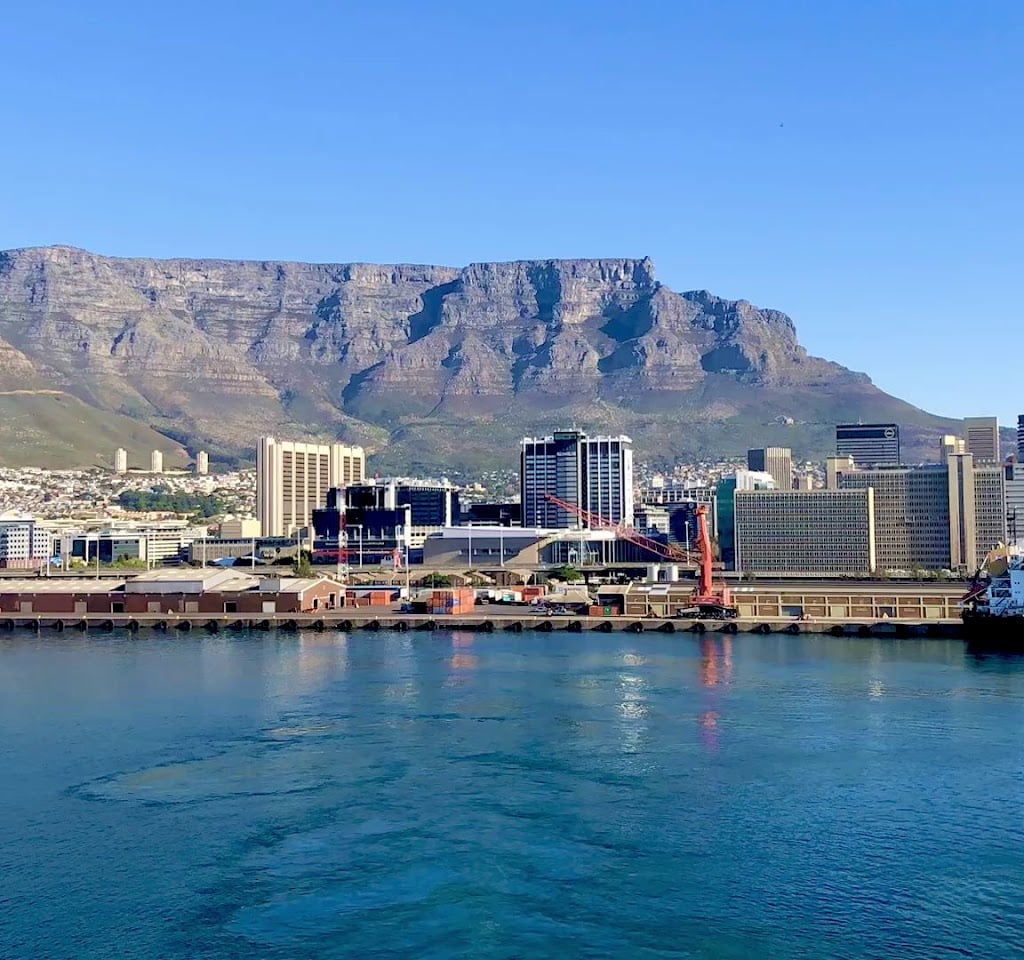
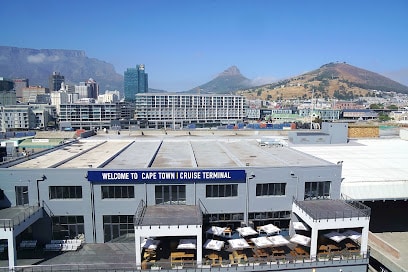
Cape Town: A Traveller’s Guide to Staying, Eating and Exploring
Capitals of colour and coastline, Cape Town offers a dynamic mix of neighbourhoods, beaches, mountains and markets that reward both short breaks and longer stays. When planning where to base yourself, think about how you want to move around the city, what scenery you want on your doorstep, and how you’ll balance sightseeing with downtime. From harbour-front stays at the V&A Waterfront to leafy escapes near the Constantia Valley, there are options to suit every rhythm and budget.
Accommodation options and areas to consider
Floating between modern boutique guesthouses, family-run B&Bs and contemporary city hotels, Cape Town’s accommodation scene is diverse. For a first-time visit, the central City Bowl and the historic District Six area offer easy access on foot or by taxi to museums, markets and restaurants, with an urban heartbeat and good public transport connections. The Atlantic Seaboard, including Camps Bay and Bloubergstrand, is ideal if you crave dramatic ocean views, sunset routes and a relaxed holiday tempo. Those seeking a quieter, residential vibe might prefer the markets-and-mafs districts of Woodstock or neighbouring Gardens, where stylish guesthouses mingle with cafés and galleries. If you’ll be visiting on a cruise or tying in a harbour stay, the V&A Waterfront area provides a convenient base with a distinct maritime atmosphere and proximity to harbour tours and waterfront promenades.
What to look for when booking
When choosing a place to stay, consider layout and privacy—especially if you’re travelling as a couple or family. Check whether breakfast is included, and whether there are common areas for socialising or a private terrace for evenings after a day out. Look at accessibility and transport links: near main roads or train routes, with easy road access to the city centre, cinema and theatre districts, and the coast. Read policies on cancellations, housekeeping, and luggage storage. If you’re seeking a more intimate experience, small guesthouses and self-contained suites often offer personalised service and insider tips from hosts. For groups, consider apartment-hotel style stays with separate bedrooms and a kitchen, which can be convenient and economical for longer visits.
Typical amenities you might encounter
Common inclusions include complimentary Wi‑Fi, on-site parking, and 24-hour reception or security. Many properties offer en-suite bathrooms, well-equipped kitchenettes or kitchen spaces, air conditioning or ceiling fans, and tea-and-coffee facilities. Room governance can range from daily housekeeping to weekly changes for longer stays. Facilities such as outdoor spaces, rooftop terraces, or swimming pools are especially desirable in warmer months. If you value sustainability, look for properties that emphasise energy efficiency, recycling practices and locally sourced products in their breakfasts or guest amenities.
Transport and getting around
Cape Town’s geography rewards walking, particularly in the compact city centre and the vibrant neighbourhoods that line the Atlantic Seaboard. For longer hops, Uber and taxi services are widely available, while car hire gives you freedom to explore beyond the city core—think wine estates, scenic drives along Chapman's Peak, and day trips to the Cape Peninsula. The MyCiTi bus network is a sustainable option for navigating major routes; some hotels and guesthouses provide shuttle services or partner with local transport providers. If your stay revolves around specific activities, such as a day trip to a winery or a coastal excursion, check whether your accommodation can arrange day tours or advise on reputable operators.
Best time to visit and practical tips
Cape Town enjoys a Mediterranean climate with mild, wet winters and dry, warm summers. Peak visitor months are generally from December to February, when daylight is longest and outdoor activities are at their most comfortable. Spring (September to November) and autumn (March to May) bring milder weather, with fewer crowds and pleasant sea conditions. Pack layers—temperatures can shift from warm days to cooler evenings, especially by the water and on the hills. Bring sun protection for daytime excursions, comfortable walking shoes for hills and markets, and a reusable water bottle for city strolls. Do bear in mind that some attractions operate on seasonal hours, and harbour, mountain and winery tours may require advance booking, particularly during peak seasons.
Attractions, experiences and dining in general terms
Cape Town is blessed with iconic landscapes and a rich urban culture. Natural highlights include dramatic coastal viewpoints, cable-car rides up a prominent mountain, and botanical splendour in world-class gardens. On the waterfront, you’ll find a maritime atmosphere, shops and dining options with waterfront views. Across town, markets and independent eateries showcase the region’s culinary diversity—from regional seafood to Cape Dutch influences and modern bistro fare. In the surrounding winelands and suburbs, wine-tasting routes, vineyard eateries and æsthetic wine estates provide pleasant day trips with scenery and relaxed cellar-door experiences. While specific venues naturally vary, the city consistently offers a mix of casual cafés, family-friendly spots, and refined restaurants, all within reach by car or public transport.
- Plan a balanced itinerary: begin with a day in the City Bowl to explore museums and markets, then reserve another day for a coastal drive or a winery visit.
- Choose a base with a central transport link or arrange a short-term car hire to maximise flexibility.
- Book in advance for popular seasons and consider flexible rates to accommodate weather shifts or late-afternoon plan changes.
Useful notes and links
For updated information on cruise activities, harbour developments and visitor facilities, you can consult official city or harbour pages and the V&A Waterfront’s visitor resources. Websites focused on travel planning, local guides and accommodation reviews can help refine choices and provide practical tips for staying comfortable while discovering Cape Town’s many facets. Their guidance, along with a well-planned timetable, will help you enjoy a well-rounded stay in one of the world’s most scenic urban destinations.
Sorry, no records were found. Please adjust your search criteria and try again.
Sorry, unable to load the Maps API.
Why Claim Your Listing?
Claiming your listing on the B&B Finder directory website is a valuable opportunity for business owners. Here are five reasons why you should consider claiming your listings:
Control Over Business Information: By claiming their listing, business owners can ensure that all the information presented is accurate and up-to-date. This includes details such as contact information, address, pricing, and available services or amenities. Accurate information helps prevent customer confusion and improves overall satisfaction.
Enhance the Listing: Once a listing is claimed, owners can enhance it by adding more comprehensive information and rich media, like high-quality photos and videos. These additions can make the listing more attractive and engaging to potential customers, thereby increasing the likelihood of bookings.
Marketing Opportunities: Claiming a listing can also open up additional marketing opportunities. Owners may be able to participate in promotional campaigns, special offers, and other marketing activities organized by the directory. This can increase visibility and attract more customers to the business.


