Cape Point Mountain Getaway is a Guest house establishment in Cape Town, Western Cape, South Africa
About Cape Point Mountain Getaway
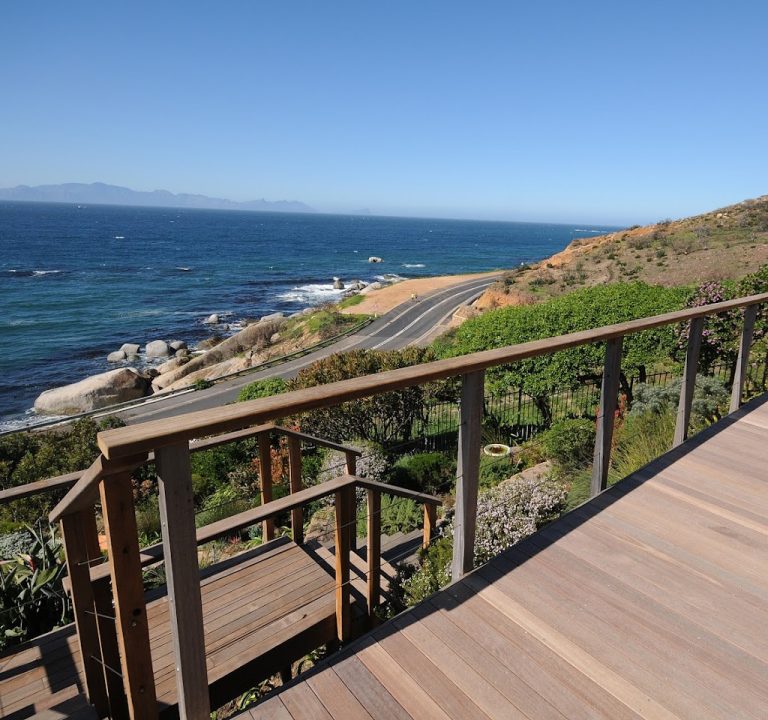
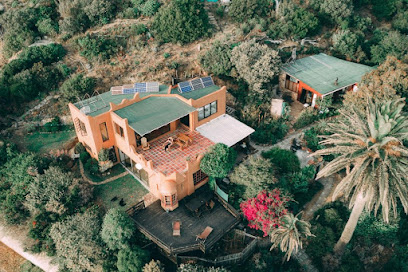
Cape Point Mountain Getaway sits in a dramatic setting where the mountains meet the sea, offering a tranquil escape less than an hour from Cape Town’s vibrant city centre. This eco-friendly destination is tucked within Castle Rock Conservancy, a place noted for its natural beauty and historical significance. The property presents a contemplative retreat for travellers who value scenery, sustainability, and a sense of remote serenity without venturing far from Cape Town’s urban hubs.
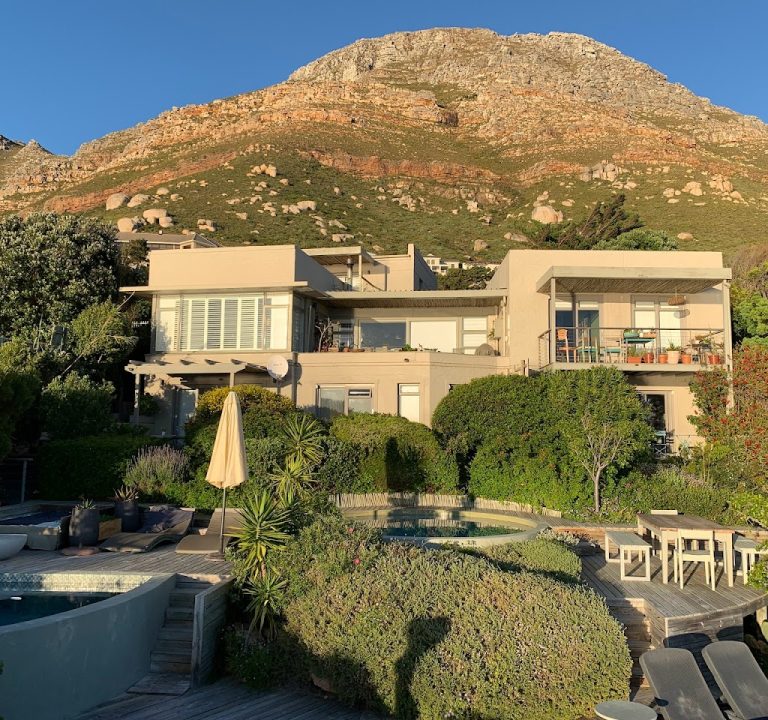
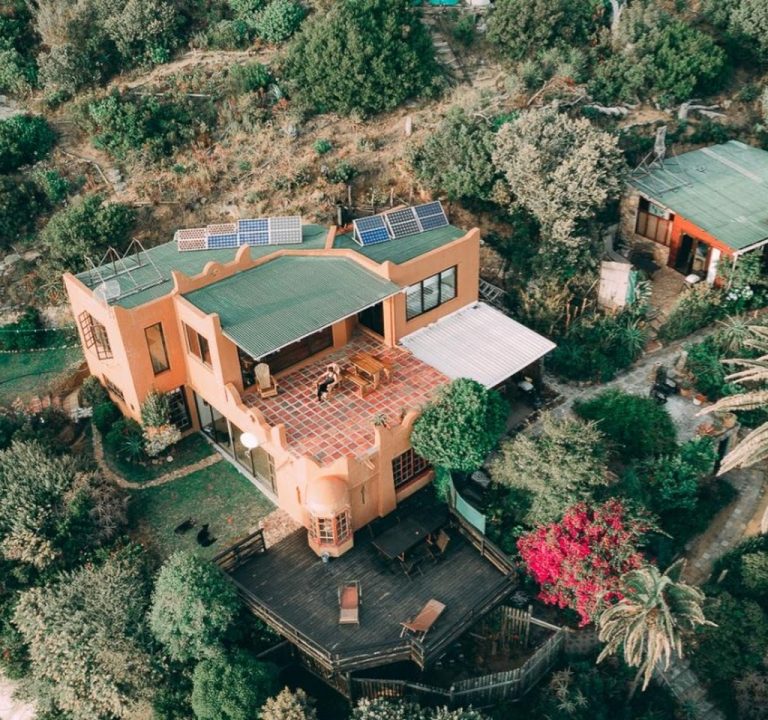
The retreat comprises three separate units, each designed to maximise the striking sea and mountain views while keeping environmental impact to a minimum. All units are described as off the grid and 100% environmentally friendly, underscoring a commitment to low-impact living in a landscape that rewards quiet contemplation and outdoor exploration. The distinct accommodations — The Villa, The Cottage, and The Hideaway — offer varying scales of space and outlook, enabling guests to choose a setting that aligns with their travel aims, from intimate escapes to small gatherings.
Set on one of the area’s most historic sites within Castle Rock Conservancy, Cape Point Mountain Getaway provides a sense of place rooted in both natural splendour and cultural memory. The location invites exploration of the surrounding coastal routes, rugged headlands, and the natural rock outcrops that characterise the coastline, alongside the chance to appreciate the quiet rhythms of a protected landscape.
Guests arriving at Cape Point Mountain Getaway can anticipate rooms and communal spaces that reflect the property’s environmental ethos. While specific interior specifications and on-site facilities are not exhaustively itemised, the emphasis remains on offering a harmonious balance between comfort and sustainability. The arrangement of separate units allows visitors to experience privacy within a shared landscape that encourages respectful interaction with nature and fellow travellers.
Whether travelling as a couple seeking a restorative break, a small group exploring the True Cape coastline, or guests drawn to a nature-forward itinerary, this destination positions itself as a gateway to both sea and mountains. The on-site philosophy centres on minimal disruption to the environment, with an architectural language that harmonises with the surrounding landscape and a commitment to responsible travel practices.
Nearby highlights are naturally centred on the dramatic coast and the historic character of Castle Rock Conservancy. The setting makes it easy to enjoy panoramic sea views, coastal walks, and the sense of timeless landscapes that Cape Town’s rich natural assets offer. The proximity to Cape Town ensures that culture, cuisine, and metropolitan amenities remain within convenient reach for day trips or evening explorations, while the retreat itself delivers a counterpoint of quiet, restorative downtime.
Booking and travel tips can help maximise the experience. Given its off-grid and eco-friendly stance, guests may wish to plan for self-sufficiency and considerate use of resources during their stay. The site’s emphasis on conserving energy and minimising environmental impact can shape packing and daily routines, encouraging sustainable habits such as limiting discretionary electricity use and mindful water consumption where appropriate. Access to the property can be via well-planned routes from Cape Town, with timing aligned to tides and daylight for coastal walks and scenic viewpoints.
The three-unit configuration—The Villa, The Cottage, and The Hideaway—affords flexibility for guests with varying needs. Visitors choosing one unit over another may consider factors such as desired level of privacy, space, and the kind of views most appealing to them. Each unit is positioned to capture expansive glimpses of the ocean and surrounding mountains, delivering a sense of immersion in the region’s natural grandeur while maintaining a comfortable residence on site.
For travellers who value a sustainable, experience-rich stay on the Cape Peninsula, Cape Point Mountain Getaway presents a cohesive offering that combines ecological sensitivity with access to one of South Africa’s most remarkable coastal landscapes. Accessibility to Cape Town’s urban amenities remains within reach for day trips, while the property itself serves as a compelling base for exploring the broader Western Cape’s outdoor possibilities, from dramatic cliffs and sea vistas to tranquil walking trails and the story-rich environment of Castle Rock Conservancy.
- The Villa
- The Cottage
- The Hideaway
For more information and arrangements, interested travellers can visit the official website at Cape Point Mountain Getaway, where details about the setting, ethos, and potential inquiries can be explored in depth.
Cape Town
Western Cape
7995
South Africa
Exploring Cape Town: Where to Stay and What to Do
Cape Town in the Western Cape offers a remarkable mix of coastal beauty, mountain scenery and world‑class dining. When planning a stay, choosing the right area can shape your experience—from vibrant city life to quiet coastal escarpments. Whether you favour a boutique guest house with sea views, a modern apartment near the Waterfront, or a rural retreat perched above the Atlantic, there are options to suit most itineraries and budgets.
For accommodation, consider areas that align with how you want to spend your days. The City Bowl and Downtown areas put you within easy reach of museums, historical sites and a thriving café culture. The Atlantic Seaboard and Camps Bay offer sweeping ocean panoramas and promenade strolls, while the Southern Suburbs and Constantia provide leafy lanes, wine estates and easy access to Kirstenbosch Botanical Gardens. If wildlife and coastal scenery call to you, Cape Point, Hout Bay or Noordhoek are worth a stay, delivering spectacular vistas and a slower pace.
One notable example of the region’s thoughtful lodging options is a guest house that blends comfort with sustainability. This type of property often showcases commanding sea and mountain views, eco‑friendly practices, and a layout designed to make the most of natural surroundings. With multiple units on a single site, guests can choose a space that suits their needs—from a cosy hideaway to a larger villa, all while remaining mindful of the environment. The website for this example outlines its off‑grid credentials, ensuring a quieter, more planet‑friendly stay while still offering modern comforts.
When you book, look for practical amenities that make daily life easier. Reliable wi‑fi, secure parking, and clear access routes are important, especially if you plan to explore early mornings or late evenings. Consider whether breakfast is provided, whether the property has self‑ catering facilities, and what the reception hours are. If you are travelling by car, note proximity to well‑maintained roads, scenic routes like coastal drives, and proximity to a supermarket or bakery for easy self‑catering. For walkers and cyclists, ask about safe storage and on‑site or nearby paths that connect to major viewpoints or nature reserves.
Planning your transport in Cape Town is straightforward but worth a little forethought. The MyCiTi bus network offers routes between the city centre, the Seaboard suburbs and some tourist hubs, while Uber or ride‑hailing services are widely available for late returns from evening dining or attractions. If you intend to explore the Cape Peninsula by road, a rental car provides the greatest flexibility for visiting places such as the iconic coastline, coastal towns and nature reserves. Keep in mind that some viewpoints and coastal roads can be steep or winding, so a comfortable vehicle and careful driving are advisable, particularly in peak visitor periods.
Best time to visit Cape Town depends on your priorities. The summer months (roughly November to March) bring dry weather, longer days and a sunny coastline ideal for beaches, outdoor dining and sea safaris. Winter (June to August) is cooler and wetter but offers dramatic Atlantic swells, fewer crowds and excellent opportunities to see marine life such as whales along the coast. Spring and autumn bring pleasant shoulder‑season temperatures, making it a good compromise for outdoor activities and sightseeing without the peak crowds.
When it comes to attractions and experiences, a well‑rounded visit usually combines natural wonders with a taste of the city’s culture and cuisine. Iconic viewpoints and landmarks offer photo opportunities, while botanical gardens and nature reserves provide easy day trips. The coastline is dotted with beaches and overlooks where you can enjoy a picnic or a sunset walk. In the city, you’ll find vibrant markets, contemporary galleries and restaurants that showcase diverse South African flavours—from seafood and grills to seasonal vegetarian options and refined dining experiences. For many visitors, a day trip along the Atlantic coast to a headland or a harbour town provides memorable scenery and a chance to observe local wildlife in a natural setting.
Practical tips to help you plan your stay:
- Book accommodation with clear access details and parking if you plan to drive; check the distance to the places you want to visit daily.
- Look for a room or unit with sea or mountain views to maximise the sense of place and tranquillity.
- Consider eco‑friendly or off‑grid options if sustainability is important to you; modern guest houses often balance comfort with environmental considerations.
- Time your activities to make the most of daylight, especially when visiting viewpoints or nature reserves that have safer access during daylight hours.
- Plan a mix of activities: a scenic drive, a garden or nature walk, a museum or cultural site, and a day for enjoying a memorable meal at a restaurant that emphasises local ingredients.
For more information about one example property that emphasises an eco‑friendly approach and stunning views, you can visit its website at Cape Point Mountain Getaway. While this and other lodgings vary in style, the overarching aim is to offer a comfortable base from which to explore Cape Town’s landscape, coastline and cultural tapestry, making it easier to plan a balanced and rewarding stay.
Sorry, no records were found. Please adjust your search criteria and try again.
Sorry, unable to load the Maps API.
Why Claim Your Listing?
Claiming your listing on the B&B Finder directory website is a valuable opportunity for business owners. Here are five reasons why you should consider claiming your listings:
Control Over Business Information: By claiming their listing, business owners can ensure that all the information presented is accurate and up-to-date. This includes details such as contact information, address, pricing, and available services or amenities. Accurate information helps prevent customer confusion and improves overall satisfaction.
Enhance the Listing: Once a listing is claimed, owners can enhance it by adding more comprehensive information and rich media, like high-quality photos and videos. These additions can make the listing more attractive and engaging to potential customers, thereby increasing the likelihood of bookings.
Marketing Opportunities: Claiming a listing can also open up additional marketing opportunities. Owners may be able to participate in promotional campaigns, special offers, and other marketing activities organized by the directory. This can increase visibility and attract more customers to the business.