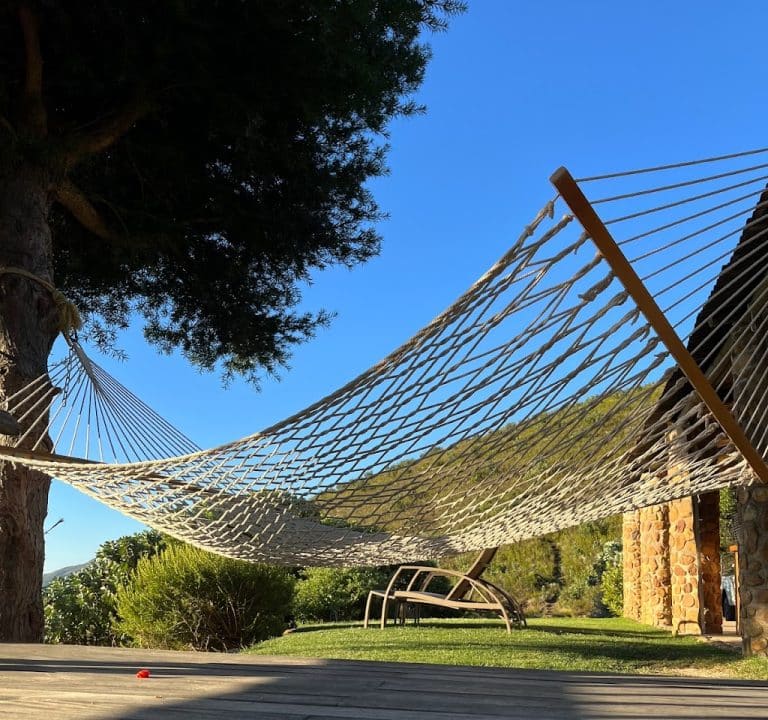
Canetsfontein Wine, Olives, Fruit and Vegetable estate is a Self-catering accommodation establishment in Wellington, Western Cape, South Africa
About Canetsfontein Wine, Olives, Fruit and Vegetable Estate
Canetsfontein sits high in the Western Cape, where ancient mountain soils cradle a rich tapestry of vineyards, olive groves, fruit trees and vegetable patches. This is a farmstead that blends heritage with contemporary farming and winemaking, inviting guests to explore a landscape that has shaped the region’s culture for centuries. The estate’s setting – with altitude, varied microclimates and expansive mountain scenery – provides a vivid backdrop for visitors seeking a taste of rural life, paired with the rewards of careful cultivation and artisanal production.
Wine is at the heart of Canetsfontein’s appeal. The farm is home to a boutique cellar where grapes are carefully tended and transformed into wines that reflect the terroir’s character. An ongoing commitment to organic wine production underscores the ethos of the estate: wines with soul, produced with minimal intervention. The range includes notable icons such as a flagship organic Bordeaux blend, a non-sulphur organic red, and a non-sulphur organic rosé, each carrying a distinct expression of the farm’s vineyards and climate. Visitors can learn about the shaping of these wines and savour them in a setting that emphasises authenticity and restraint, with tasting experiences designed to illuminate the connection between soil, vine and bottle.
Beyond the cellar door, Canetsfontein offers experiences that cater to active and nature-loving travellers. The estate encompasses some 700 hectares of mountain slopes, fynbos, fruit trees, olives and pines, rising to heights of over 1 300 metres above sea level. The landscape is threaded with opportunities for outdoor pursuits, including hiking, rock climbing and horse riding. For those seeking a more adrenaline-fuelled challenge, the property is also recognised for hosting a demanding mountain-biking trail that threads through the Seven Sisters mountains, offering an exhilarating route through pristine fynbos and striking vistas. Regular events and a community of mountain-biking enthusiasts contribute to a lively, outdoors-focused atmosphere throughout the year.
Accommodation on the estate is anchored by Villa Canetsfontein, a thoughtfully equipped hospitality option that allows guests to base themselves within the farm’s characterful landscape. The villa concept aligns with the estate’s ethos of living closely with the land, while providing the comforts and conveniences expected of a modern guest experience. While specific room configurations and on-site amenities are not itemised in detail in public summaries, the villa and related hospitality offerings are presented as part of a broader invitation to linger, explore and unwind among vineyards, fruit and olive groves and the surrounding mountain scenery.
For travellers who view wine, food and biodiversity as parts of a single experience, Canetsfontein presents a compelling triad. The pairing of organic viticulture with olive and fruit production creates a sense of seasonal abundance that can be reflected in experiences and tastings, as well as in the agrarian rhythms of the farm itself. The estate’s emphasis on natural farming practices supports a broader narrative of sustainability and place, inviting guests to engage with the landscape in a conscious and relaxed way.
Nearby highlights stem from the estate’s Western Cape location, where dramatic mountain scenery, fynbos-rich habitats and agricultural heritage characterise the region. Guests can enjoy close proximity to the estate’s own trail networks and natural spaces, while also being within reach of Wellington’s amenities and the broader Western Cape wine-and-food culture. The combination of rugged terrain, quiet country lanes and cycles through vineyard rows makes Canetsfontein a suitable base for travellers keen on pairing physical activity with slow, sensory experiences of wine and produce rooted in age-old farming practices.
Booking and travel tips help maximise the Canetsfontein visit. Early planning is advisable for peak seasons and popular event windows, particularly when the mountain biking calendar is active or when villa occupancy aligns with winery timetables. Visitors should consider allocating time for a guided or self-guided exploration of the estate’s vineyards, olive groves and seasonal fruit and vegetable patches, followed by a tasting session that highlights the estate’s organic and minimal-intervention wine philosophy. For those seeking a more immersive encounter, the combination of wine with nearby experiences on the farm – including hiking and other nature-based activities – can offer a cohesive, day-long itinerary that honours the landscape and its seasonal rhythms. The Canetsfontein website serves as a central portal for discovery, with sections dedicated to wines, villa bookings and experiences, making it straightforward to plan a stay that aligns with personal interests and pace.
Whether arriving for a peaceful villa stay, a day of tasting and grazing, or an active adventure through mountain trails and fynbos, Canetsfontein provides a characterful gateway to Wellington and the Western Cape’s vineyard country. The estate’s approach celebrates the simplicity of a terroir-driven farm life, where every vista—from the upper vineyard terraces to the valley floor—offers a reminder of why this corner of South Africa remains a treasured destination for curious travellers seeking warmth, authenticity and a sense of place. For those ready to explore further, the Canetsfontein website offers direct access to wine purchases, villa bookings and hands-on experiences that bring the farm’s story to life.
Wellington
Western Cape
South Africa
South Africa


Accommodation and Experience Guide for Wellington, Western Cape
Set in the heart of the Cape Winelands, Wellington offers a compact yet characterful base for those seeking relaxed scenery, good food and easy access to the surrounding mountains and vineyards. When planning a stay, think about a neighbourhood that matches the rhythm you want—quiet rural charm, convenient village life, or a resort-style experience with plot-to-plate dining and broad outdoor access. Wellington’s variety means there’s something for couples, families and solo travellers alike.
Self-catering and guesthouse options are plentiful, with farms, estates and boutique hotels tucked into hillside plots and at the edge of the valley. Many properties emphasise spacious rooms, private terraces or balconies, and kitchens or kitchenettes that allow for easy, informal dining after a day of exploring. Look for accommodation that offers a sense of place—that could mean views across the valley, proximity to vineyards, or direct access to walking and cycling routes. If you are travelling with a group or family, a larger self-catering villa or a multi-room guesthouse can simplify logistics and provide common spaces for easy socialising after a day out.
Areas to consider when booking include the following general options:
- Valley and hillside has excellent views, closer access to countryside trails and a peaceful, rural ambience.
- Centre of town offers convenient dining, small shops and a short walk to cafés and markets.
- Wine farming estates with on-site dining, guided tastings and organised experiences.
- Family-friendly lodges with outdoor spaces for kids, safe parking and walkable access to local trails.
Typical amenities to look for include free Wi‑Fi, secure parking, well-equipped kitchens, laundry facilities, and reliable heating or air conditioning for cooler evenings. Where possible, choose properties with outdoor space—balconies, verandas or gardens can dramatically improve the experience during mild Cape months. If you plan to tour several vineyards or take part in outdoor activities, consider accommodation that can arrange or recommend private transfers or local tours, helping you to maximise your time without worrying about transport logistics.
Transport in and around Wellington is straightforward. A hire car is usually the most convenient option, especially if you want to visit multiple estates or head into nearby towns. For some visitors, organised tours or wine estate shuttle services offer a low-stress way to combine tastings with safety. Public transport is limited in comparison with larger cities, so a flexible plan for driving times and parking can help you avoid peak traffic. If your stay centres on wine or mountain activities, check how close your chosen lodging is to access points, scenic routes and the main roads linking to Cape Town and other towns in the Winelands.
The best time to visit Wellington depends on the experience you seek. Spring brings fresh varietal growth and flowering landscapes, making it ideal for hiking, photography and vineyard tours. Summer offers longer days, typically calmer evenings, and outdoor dining along pleasant rural lanes. Autumn brings mild temperatures and gorgeous colours in the surrounding hills, which pairs well with wine tastings and relaxed village strolls. Winter can be cooler and damper, but many estates offer cosy indoor experiences, fireside tastings and intimate dinners. Pack layering options for variable weather and always verify local harvest or event calendars when staying on a wine estate.
When planning itineraries, you can structure a balanced mix of accommodation-focused days and day trips. Consider dedicating a morning to a winery or farm visit, followed by a scenic drive or easy hike in the afternoon. Wellington is a gateway to several scenic routes and hiking opportunities in the surrounding mountains, with trails that suit different experience levels. A leisurely bicycle ride or a guided mountian-biking session can be a highlight for active travellers, particularly on estates that feature well-signposted trails and safety measures. You can also balance wine-tasting experiences with cultural stops and local food shops to sample regional produce such as olives, fruit and vegetables grown nearby.
Dining and local flavours are a big part of a Wellington stay. Expect family-run eateries and cafes with seasonal menus and farm-to-table ingredients, alongside more formal tasting rooms and restaurant settings on or near wine estates. Many places place emphasis on provenance and simple, well-prepared dishes that pair well with regional wines. To make the most of your dining experiences, book ahead where possible, especially during peak seasons or weekends, and leave room for spontaneous meals at laid-back venues that celebrate the countryside vibe.
If you’re considering an extended stay or a self-contained retreat, a notable option within the region is a self-catering vineyard estate that combines comfortable accommodation with direct access to estate experiences, such as guided tastings and outdoor activities. For example, Canetsfontein offers villa-style accommodation on a farm estate with a focus on vineyard landscapes, olive groves and mountain scenery. This type of stay can provide a comfortable home base for exploring the wider winelands while still enjoying the tranquillity of a rural setting. More information can be found on the estate’s official site: Canetsfontein.
Plan ahead to maximise value. Compare midweek versus weekend rates, check cancellation policies, and confirm kitchen and laundry facilities if you are travelling with children or a longer itinerary. Think about transport needs, accessibility, and how much you want to rely on meals prepared on site versus exploring local restaurants. Wellington’s blend of tranquil countryside, scenic routes and friendly hospitality makes it an ideal anchor for a Winelands visit—a place to relax, unwind and discover the region at a comfortable pace.
Sorry, no records were found. Please adjust your search criteria and try again.
Sorry, unable to load the Maps API.
Why Claim Your Listing?
Claiming your listing on the B&B Finder directory website is a valuable opportunity for business owners. Here are five reasons why you should consider claiming your listings:
Control Over Business Information: By claiming their listing, business owners can ensure that all the information presented is accurate and up-to-date. This includes details such as contact information, address, pricing, and available services or amenities. Accurate information helps prevent customer confusion and improves overall satisfaction.
Enhance the Listing: Once a listing is claimed, owners can enhance it by adding more comprehensive information and rich media, like high-quality photos and videos. These additions can make the listing more attractive and engaging to potential customers, thereby increasing the likelihood of bookings.
Marketing Opportunities: Claiming a listing can also open up additional marketing opportunities. Owners may be able to participate in promotional campaigns, special offers, and other marketing activities organized by the directory. This can increase visibility and attract more customers to the business.