Accommodation and Experiences in Johannesburg: Where to Stay and What to Do
Johannesburg, or Jo’burg as many locals call it, is a dynamic city that blends modern business districts with vibrant neighbourhoods, cultural heritage, and a growing range of places to rest, eat, and explore. Whether you favour stylish boutique stays, welcoming B&Bs, or spacious hotels, planning ahead helps you make the most of your visit. A stay centred around well‑connected areas, thoughtful amenities, and easy access to attractions can save time and enhance your experience.
When choosing where to stay, consider the neighbourhoods that best fit your plans. Sandton and Rosebank are popular for business travellers and shoppers, offering high‑quality hotels, galleries, and easy transport connections. Maboneng and Braamfontein appeal to travellers who want a hip, walkable base near cafés, markets, and nightlife. For a quieter escape with a more intimate feel, you might seek out guesthouses or B&Bs in neighbourhoods such as Parkview, Greenside, or Linden, which often provide personalised service and a home‑from‑home atmosphere. If you’re keen to understand the city’s broader history, a stay near the central business district can be convenient, though you’ll want to choose accommodation with good security and recommended transport options.
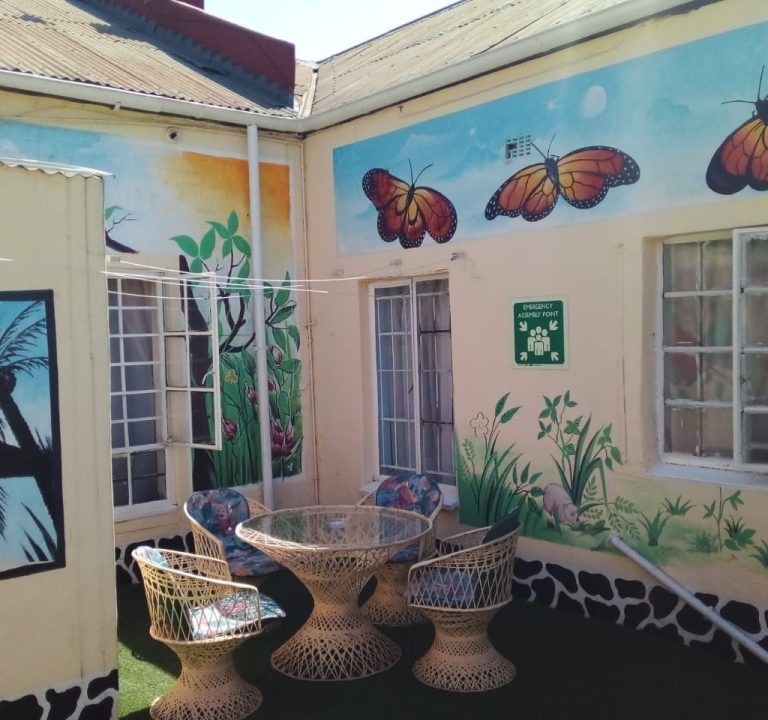
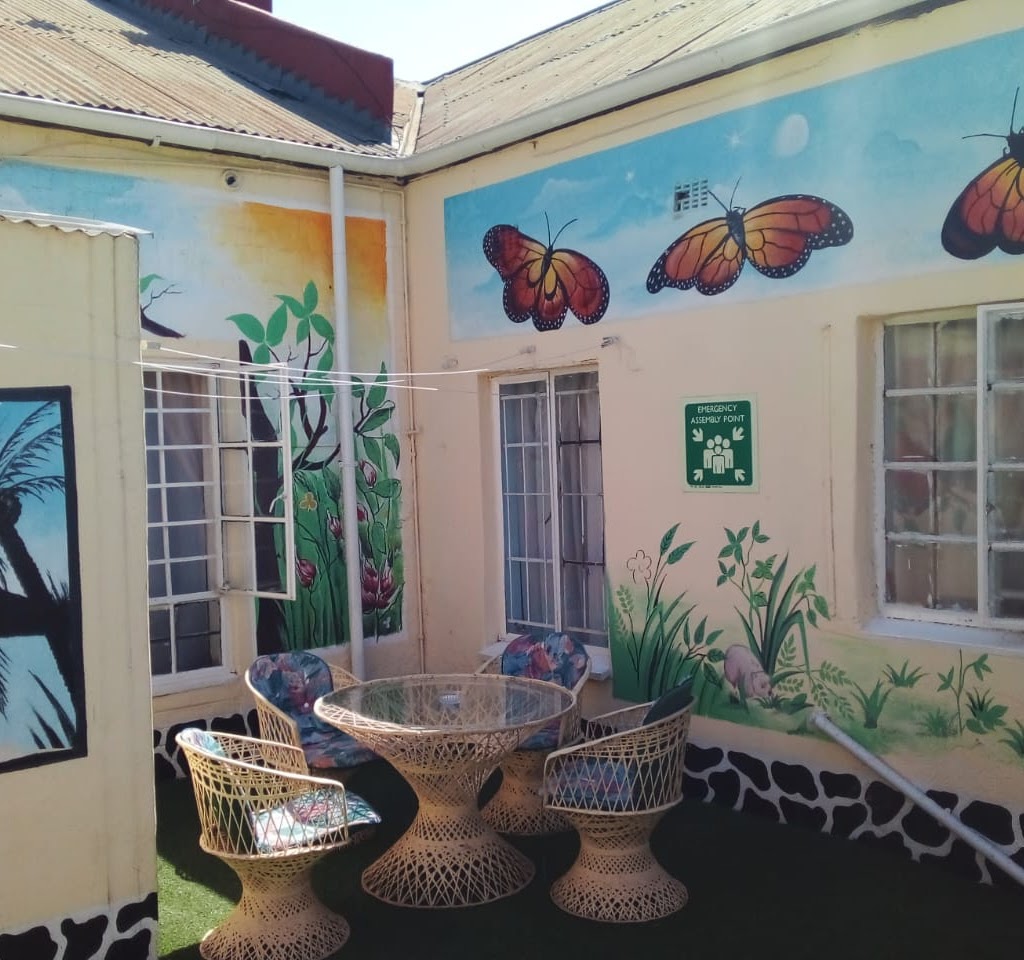
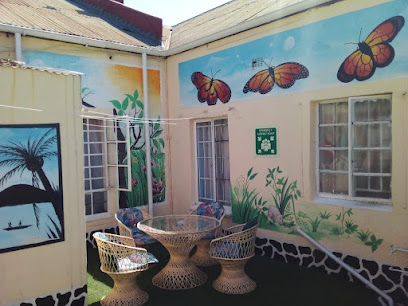
Typical amenities to look for include reliable complimentary Wi‑Fi, secure parking or easy access to public transport, a generous breakfast, and rooms with en suites or private bathrooms. A well‑run B&B such as Campafela Guest House can offer a friendly, intimate setting with personal touches and convenient access to the city’s sights. While selecting a property, consider whether you prefer a traditional, cosy guesthouse or a contemporary hotel with on‑site dining, fitness facilities, and business services. Availability of reliable electricity and backup power has become increasingly important in some areas, so it’s worth confirming this before booking, especially during the rainy season.
Transport and getting around are practical considerations in Johannesburg. The city is vast, and public transport ranges from the Gautrain light rail network to city buses and Uber/other ride‑hailing services. Proximity to a Gautrain station can be a real time‑saver if you’re planning day trips to OR Tambo International Airport, nearby suburbs, or beyond. For shorter hops, many areas are walkable in good weather, and some streets are well served by taxis or rideshares. If you’re driving, check parking arrangements and security in the area you choose. Asking your host or hotel concierge for trusted transfer options can be a smart move, particularly if you plan to visit late in the evening or travel with children or luggage heavy days.
Best time to visit Johannesburg varies with preference. Winters (May to August) are typically dry and cool, making it pleasant for daytime exploring; evenings can be chilly, so pack a warm layer. Summers (October to March) bring warmer days and the possibility of afternoon thunderstorms, which can be dramatic but are usually brief. The shoulder seasons offer good chances of mild weather and quieter streets. If you’re hoping to combine city sights with outdoor activities in nearby parks or nature reserves, plan around the weather and take advantage of cooler mornings for long strolls and city vistas.
Places to explore in and around the city span cultural and historic sites, markets, and green spaces. In the central city, you’ll find museums and memorial sites that narrate South Africa’s complex past, alongside modern galleries and street art that reflect a contemporary urban culture. Nearby townships such as Soweto provide a powerful, community‑driven perspective on the country’s history and resilience; guided tours can offer context and safety. For a lighter day, you may enjoy urban parks, craft markets, and family‑friendly attractions in northern suburbs, with well‑planned routes that minimise travel time between stops. Dining options are diverse, ranging from globally influenced menus to local favourites that showcase South African flavours, seasonal produce, and street‑level eateries. Many travellers appreciate arranging a day or evening out with a reputable guide or a chef who can introduce you to a spectrum of tastes in a mindful, sustainable way.
Practical tips for booking and planning your stay:
- Book with flexibility where possible, especially if you’re not tied to fixed dates—this allows you to respond to weather, events, or changes in plans.
- Read recent guest reviews to gauge comfort, noise levels, and the reliability of breakfast or other included services.
- Clarify what is included in the rate (parking, breakfast, housekeeping) and any extra costs for late check‑in or security deposits.
- Ask about security features and safe access to the area you’ll be staying in, particularly if you plan to be out after dark.
- Plan a balanced itinerary that mixes cultural experiences with leisure time, and consider booking guided tours for a deeper understanding of historical sites.
In summary, Johannesburg offers a spectrum of accommodation that can suit many tastes and budgets, from intimate B&Bs to modern hotel complexes. The key is to pick a base that aligns with your planned activities and to choose properties that prioritise comfort, safety, and easy access to transport. With thoughtful planning, your stay in Gauteng’s energetic metropolis can be both comfortable and enriching, leaving you with lasting memories of the city’s warmth, energy, and diversity.