Camp Shawu is a Hotels establishment in Komatipoort, Mpumalanga, South Africa
About Camp Shawu — Kruger National Park, Mpumalanga
Camp Shawu sits within a 15,000-hectare private concession of the famed Kruger National Park, offering an intimate base from which to witness Africa’s iconic wildlife. Named in honour of Shawu, one of the Magnificent Seven elephants famed for long years of residence in the valley, the lodge aims to embody the same spirit of awe and natural majesty. The setting combines authentic African ambience with a refined safari experience, inviting guests to slow down, observe the bush, and soak up the energy of the veld.
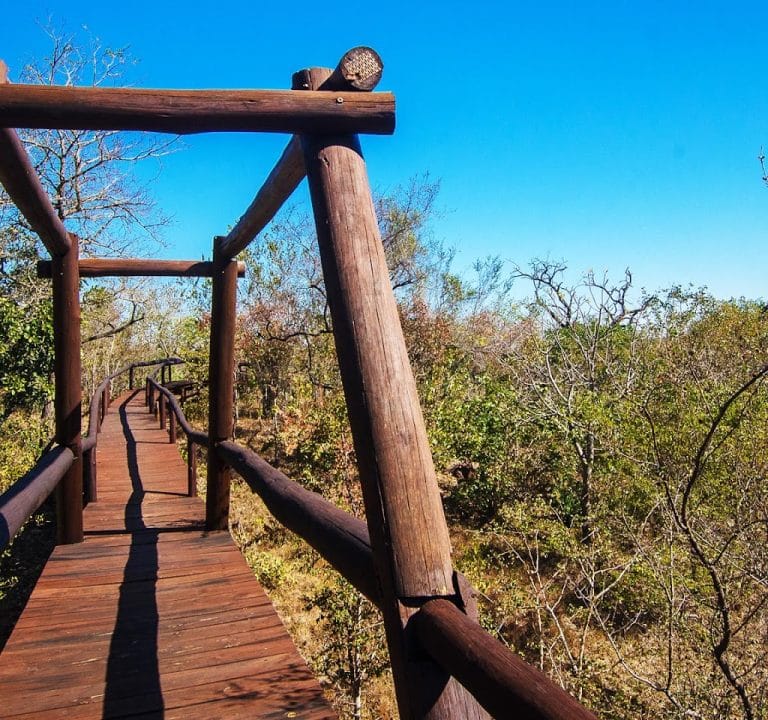
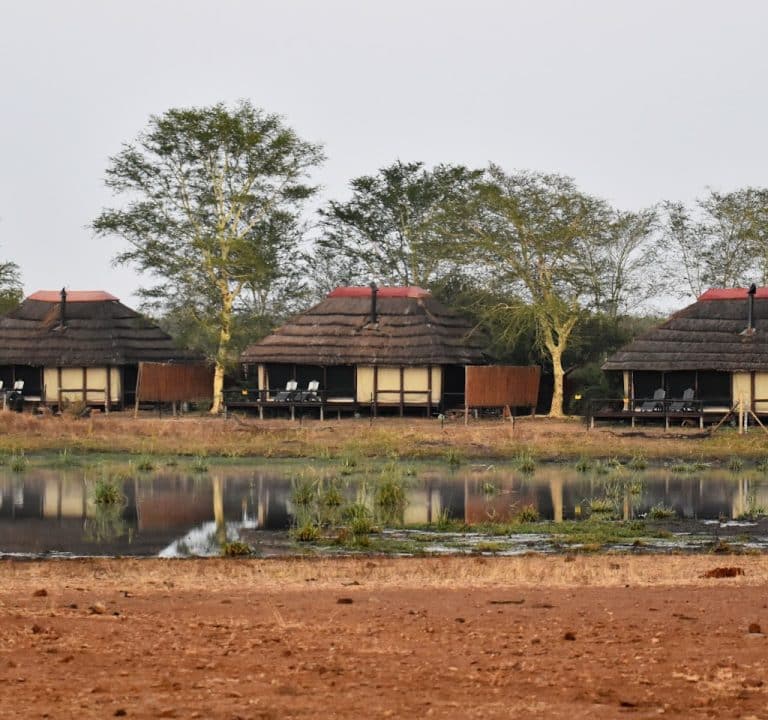
Architecture at Camp Shawu embraces its wilderness context with rustic charm. The structures feature buffalo dung walls, a nod to traditional safari aesthetics, while interiors are designed to feel luxurious and welcoming. The lodgings are described as five very large rooms, each positioned to overlook the Mpanamana Dam. From private decks, guests can watch wildlife gather along the water’s edge as evening light softens over the landscape. The design emphasises open, air-enabled living, with comforts that balance rugged authenticity with creature comforts.
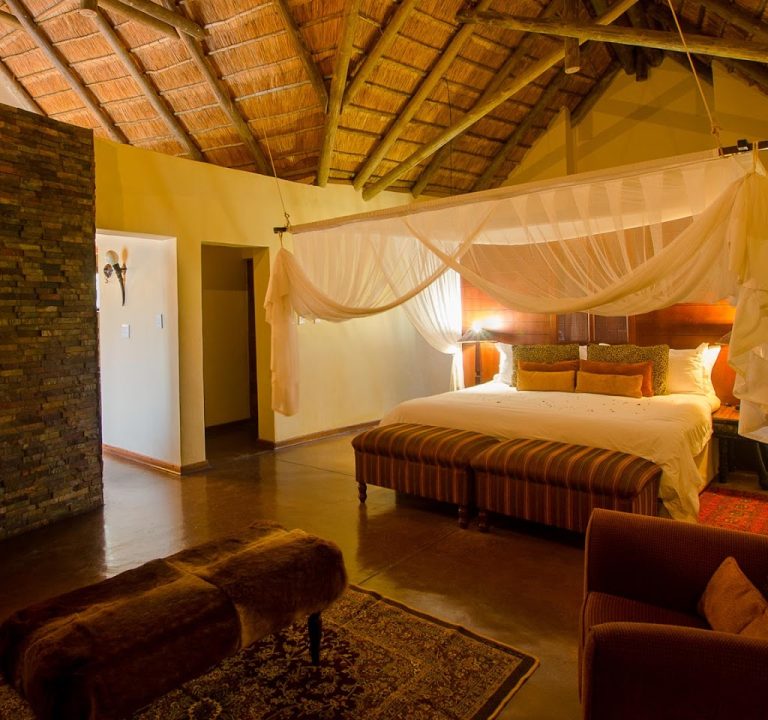
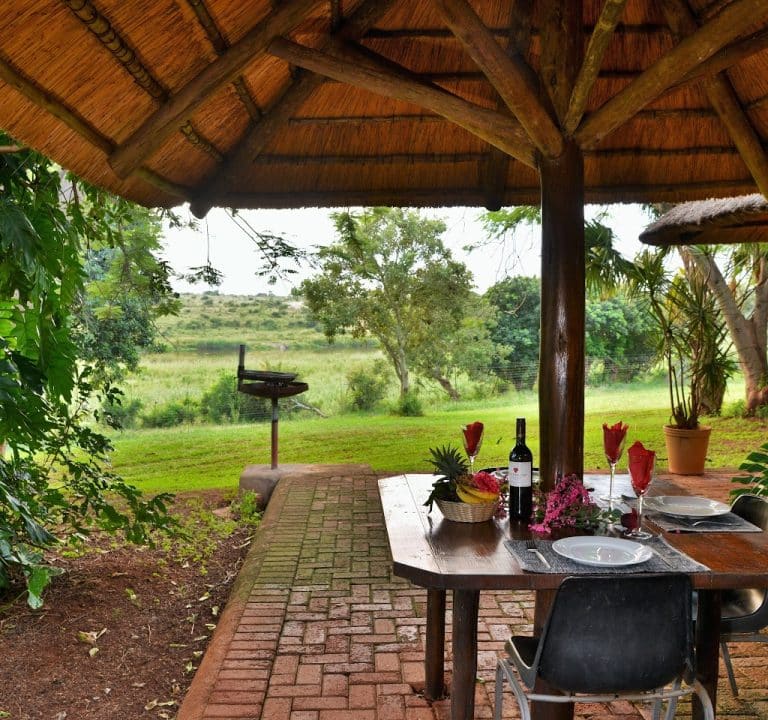
Accommodation at Camp Shawu is compact in terms of guest numbers, with the lodge able to host up to 10 guests across the five suites. Each room is equipped for relaxed, romantic safari living. Highlights include a romantic ball-and-claw bath, a sitting area around an open fireplace, ceiling fans for cooling, and an outside shower that allows guests to bathe beneath the stars. A large verandah with reclining chairs and umbrellas completes the scene, offering a prime vantage point to observe game movements as they come to drink at the dam. This combination of luxe touches and wilderness immersion is designed to create a restorative retreat where time slows and the senses heighten in response to the bush’s energy.
Visitors to Camp Shawu can look forward not only a private, intimate setting but also access to some of the Kruger’s most thrilling wildlife. The reserve surrounding the lodge is known for an abundance of mammals and predators, including lion, leopard, elephant, buffalo, rhino, cheetah, hippo and crocodile. The private nature of the concession enhances the possibility of memorable sightings away from crowds, with the Mpanamana Dam acting as a focal point for wildlife gathering and viewing during game drives and private time on the verandah.
In terms of rates, Camp Shawu presents a straightforward per-person-sharing pricing model throughout the year, with all months listed at R7,116 per person sharing per night. The pricing is subject to change and is provided as a guideline, with single supplements sometimes applying. Rates quoted pertain to Camp Shawu tents, and other room types can be requested if available. Guests interested in the most current pricing and any seasonal variations are advised to request a quote or consult a Matriarch Africa safari expert for the latest rates. The pricing structure reflects the all-inclusive feel of a premium safari experience within a private game reserve, where exclusivity and personalised service are part of the package.
Camp Shawu’s location within Kruger National Park’s private concession means it operates within a framework that prioritises wildlife viewing, conservation, and a sense of remoteness. The experience is tailored to travellers seeking authentic safari immersion combined with refined comfort, rather than a conventional urban hotel stay. The lodge’s approach is to offer a restorative escape that honours the bush’s energy and the storytelling associated with classical African safaris.
The surrounding area offers a range of safari possibilities and wildlife encounters that are typical of Kruger’s private reserves. While the primary draw is the lodge itself and the immediate game viewing from the dam-front private decks, guests can expect guided or self-guided experiences that maximise opportunities to observe the “Big Five” and other iconic African species in their natural habitat. The emphasis is on relaxed, immersive safaris rather than high-volume tourism, with attention to guest comfort and intimate wildlife moments.
Booking and travel tips: prospective guests should treat pricing as a guide, as availability can change and rates may be updated. It is wise to request a formal quote or speak with safari specialists to secure the best available rate and to understand any included services, as well as potential single supplements. For those planning a Kruger escape in a private concession, Camp Shawu represents a blend of authentic African ambience, luxurious touches, and a tranquil bush setting that appeals to travellers seeking a restorative safari experience with excellent wildlife viewing opportunities. More information and current rates can be found on the lodge’s website at Camp Shawu – Camp Shawu.
Komatipoort
Mpumalanga
South Africa


Komatipoort: where to stay, what to do and how to plan your visit
Komatipoort sits at a soft ecological crossroads just outside the southern reaches of the Kruger National Park, where the Mozambican plains meet South Africa’s bushveld. This small town makes an excellent base for wildlife experiences, easy gate access to the Kruger, and relaxed dining and shopping in a friendly, travel-ready atmosphere. When planning a stay, consider both the convenience of location and the character of the surrounding reserves and riverine scenery that define the area.
Accommodation in Komatipoort ranges from intimate B&Bs and guesthouses to lodge-style escapes within easy reach of the Kruger’s gates. A stay here often blends comfortable creature comforts with quick access to morning safaris and relaxed evenings by the pool after a day on the doorsteps of Africa’s wild spaces. If you are seeking a deeper bush experience, look for lodges within private concessions adjacent to Kruger or along the approaches to the town, where game-viewing decks and safari-inspired interiors are common. For a truly immersive option, consider properties that echo the “real Africa” in design and setting, offering spacious rooms, authentic décor, and guides who can tailor wildlife experiences to your interests.
Areas to consider when booking:
- Kruger gate proximity: The closer you are to a Kruger gate, the quicker you can start your safari, but transport logistics and gate opening times should be checked in advance.
- Conservation-style escapes: Private concessions adjacent to Kruger often provide exclusive wildlife viewing, private decks, and stillness away from public areas.
- Riverfront settings: Some properties overlook the Sabie/MPanama or Olifants basins, offering morning wildlife activity and birdlife from private verandahs.
- Centre-of-town comforts: For easy access to shops, casual eateries and convenient transfers, a town-based stay can simplify daily logistics.
What to look for when booking a property in Komatipoort or nearby Kruger-adjacent areas:
- Private or guided game experiences: Ask about included or available guided safaris, night drives, or walking safaris, and whether conservation fees are included.
- Room and deck arrangements: Many lodges offer rooms with verandahs or private viewing decks, and some have outdoor showers or bathtubs to enhance bush ambience.
- Transfer options: Check if the property offers airport or gate transfers, and plan for convoy-style transfers if you are travelling in a small group.
- Meal arrangements: Decide whether meals are included, and whether there are flexible dining options after late-safari returns.
- Seasonal considerations: Water levels, wildlife activity and heat can vary. A knowledgeable team can tailor activities to the best times of day for wildlife viewing.
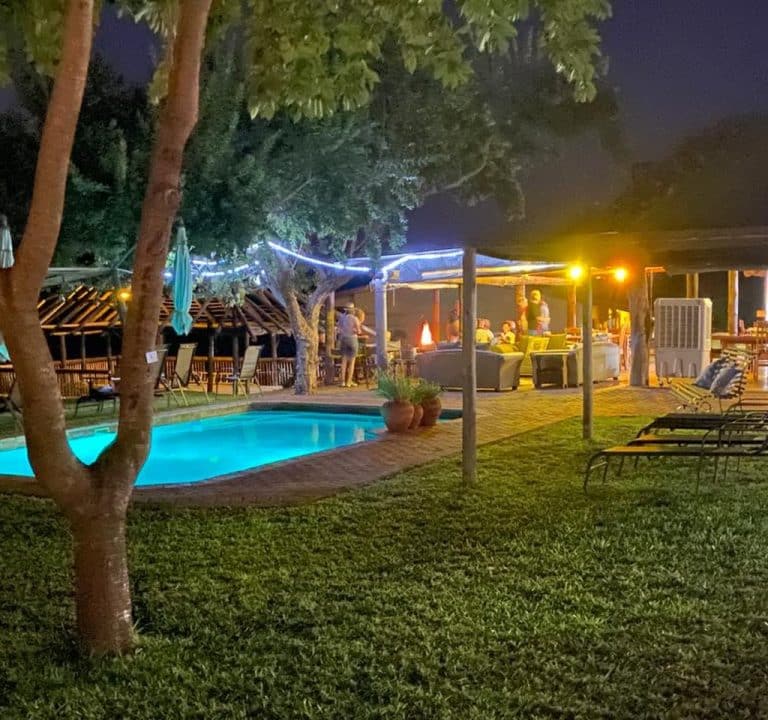
Typical amenities you might encounter include en-suite bathrooms, air conditioning or fans, mosquito protection, safekeeping for valuables, Wi-Fi in public spaces, and on-site dining. Some lodges feature sparkling pools, expansive terraces, and cosy lounges with fireplaces for cooler evenings. If you plan multiple days of safari, look for properties that offer a mix of day and night drives, plus boat or river excursions where feasible, to broaden your wildlife encounters.
Getting around and transport tips:
Komatipoort serves as a practical gateway to the Kruger. If you are self-driving, a reliable vehicle with sufficient clearance is useful for the dirt tracks that some private concessions maintain. organised safaris often include transfers from the lodge to the gate, and many operators can arrange multiple-day itineraries combining Kruger, private reserves, and optional excursions to neighbouring towns or attractions. For travellers relying on public or organised transfers, confirm pick-up points and times in advance to avoid delays. If you plan to fly into the region, consider domestic connections that align with gate hours and transfer services offered by your accommodation.
The best time to visit Komatipoort and the Kruger region is influenced by weather and wildlife patterns. The dry season (roughly May to September) tends to offer easier wildlife sightings as animals gather around water sources and foliage thins. It also brings cooler mornings and pleasant daytime temperatures. The wet season (roughly December to March) can be lush and birdsong-filled, though rain can disrupt some activities. Shoulder seasons often provide a balance of good wildlife viewing and manageable weather. Always check local area advisories and park updates before you travel.
Practical tips for planning a stay:
- Book early for peak times and holiday periods, especially for sought-after private concessions near Kruger.
- Confirm inclusions such as park fees, game drives, meals, and transfers to avoid unexpected costs.
- Pack lightweight, breathable clothing in neutral colours, a wide-brimmed hat, and sturdy walking shoes. A small daypack for safaris is handy.
- Keep a camera with a telephoto lens or a good zoom on hand, as wildlife moments can be brief but spectacular.
- Respect park rules and safety briefings provided by guides and lodge staff; stay inside vehicles where required and follow wildlife viewing guidelines.
For those seeking reference points beyond their room, Komatipoort and the surrounding Kruger area offer a relaxed culinary scene with a mix of familiar and local-inspired dining options. Food experiences tend to emphasise fresh ingredients and regional flavours, with eateries ranging from casual cafés to lodge-based restaurants. If a specific dining name or venue catches your interest, you can often explore further via the accommodation’s website or trusted travel guides, which can point you to recommended spots without needing precise current prices or claims.
One example of the type of destination you might encounter in this region is a private lodge situated in a Kruger private concession, offering luxurious rooms, panoramic views, and direct access to the nearby river and game-rich habitats. Properties like Camp Shawu, with its 5-room layout and private viewing decks, exemplify the intimate, high-impact experiences available within reach of Komatipoort. While details such as rates and inclusions vary by season and property, the region consistently delivers memorable wildlife and bush-watching opportunities for travellers seeking a classic South African safari experience. For more information, see the associated lodge’s site: https://www.shishangenilodge.com/camp-shawu/
Sorry, no records were found. Please adjust your search criteria and try again.
Sorry, unable to load the Maps API.
Why Claim Your Listing?
Claiming your listing on the B&B Finder directory website is a valuable opportunity for business owners. Here are five reasons why you should consider claiming your listings:
Control Over Business Information: By claiming their listing, business owners can ensure that all the information presented is accurate and up-to-date. This includes details such as contact information, address, pricing, and available services or amenities. Accurate information helps prevent customer confusion and improves overall satisfaction.
Enhance the Listing: Once a listing is claimed, owners can enhance it by adding more comprehensive information and rich media, like high-quality photos and videos. These additions can make the listing more attractive and engaging to potential customers, thereby increasing the likelihood of bookings.
Marketing Opportunities: Claiming a listing can also open up additional marketing opportunities. Owners may be able to participate in promotional campaigns, special offers, and other marketing activities organized by the directory. This can increase visibility and attract more customers to the business.