Bethlehem, Free State: A Practical Guide to Staying, Eating, and Exploring
Bethlehem is a friendly town in the Free State that makes a good base for travellers seeking a relaxed stay with easy access to the surrounding countryside. Whether you are drawing up a short break or a longer visit, prioritising comfortable accommodation, sensible transport, and a mix of indoor and outdoor activities will help you make the most of your time. Options range from traditional guest houses to modern self‑catering units, with a few boutique stays that emphasise warm hospitality and simple conveniences.
When planning a stay, consider the different neighbourhoods and what you want from your visit. The central precincts are convenient for exploring local shops, cafés, and the town’s quiet leafy streets, while outskirts and countryside-adjacent areas can offer more space, parking, and a restful atmosphere. If you are travelling by car, ensure your chosen accommodation has on‑site parking or easy street access, as public transport in smaller towns can be limited.
Typical amenities to look for include free Wi‑Fi, secure parking, and self‑catering options if you prefer to manage meals yourself. Many guest houses and lodges in the area provide breakfast as standard, with the option of dinner on request. A comfortable room with a desk or seating area is useful if you need to catch up on work or plan day trips. For families, check whether rooms can be arranged as twins or doubles plus an extra bed, and confirm any child policies or age restrictions before you book.
Accessibility is another practical factor. If stairs are unavoidable, ask about ground‑floor rooms or accessible options. For travellers with luggage, proximity to major routes and a straightforward layout can make a big difference to your overall comfort. If you have specific preferences—such as a sunlit lounge, a garden outlook, or a quiet corner for reading—note these in your enquiry to avoid mismatches on arrival.
In terms of transport, many visitors find it easiest to rent a car for the Bethlehem leg of their trip. A vehicle gives you the freedom to explore regional scenery, countryside towns, and nearby attractions at your own pace. If you prefer not to drive, check whether your accommodation can arrange a reliable local transfer service or if ridesharing options are readily available in the area. Clarify check‑in times and whether late arrivals can be accommodated, particularly if you are travelling after business hours or in the shoulder seasons.
The best time to visit Bethlehem typically aligns with regional weather and what you hope to do. Spring and autumn usually bring pleasant daytime temperatures, making outdoor exploration comfortable. Summer can be warm and demands simple shade and hydration, while winter tends to be cool, so packing layers is sensible. If you are drawn to specific outdoor activities, plan with the seasonal daylight hours in mind and allow extra time for travel between sites during busy periods.
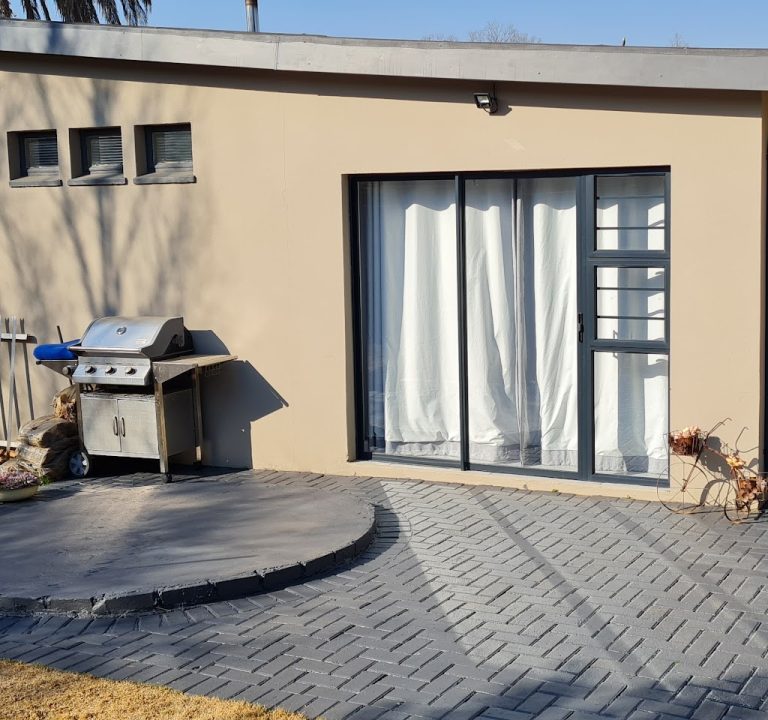
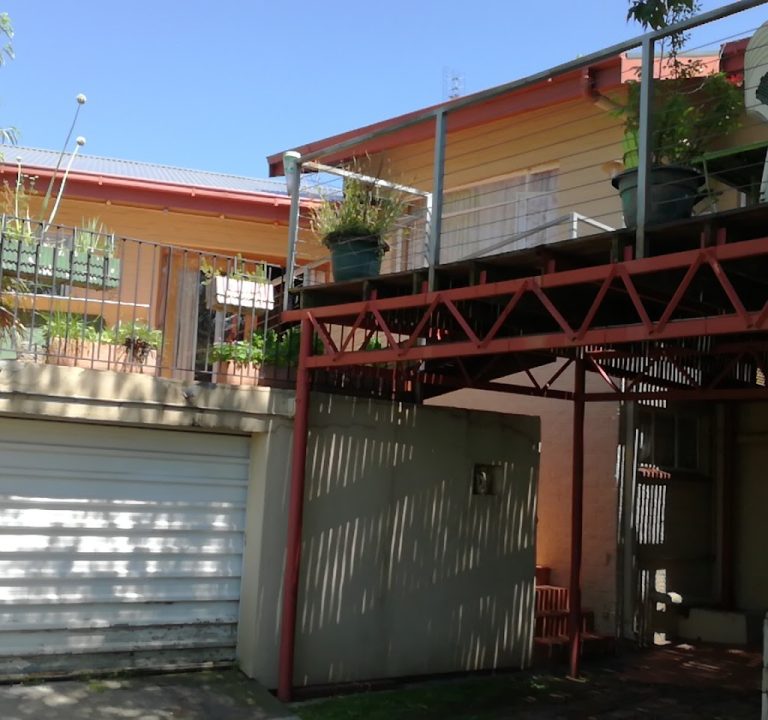
Accommodation in Bethlehem often highlights a home‑away‑from‑home ethos. Expect guest houses and small lodges offering a personalised touch, with hosts who can provide practical tips on local routes, farmers’ markets, or day trips to nearby towns. Cambridge Guesthouse, for example, presents itself as a guest house option that aims to combine comfort with straightforward planning. Its website offers an overview of facilities, room types, and practical information to help guests organise a smooth stay. Visiting the site can be a convenient way to compare room layouts, breakfast offerings, and location relative to the town centre: Cambridge Guesthouse.
When choosing where to stay, a few general criteria can help you avoid poor experiences. Read recent guest reviews to gauge consistency in cleanliness, service, and noise levels. Be clear about mattress comfort, bathroom facilities, and the availability of hot water and reliable heating or cooling. For longer trips, think about workspace needs, uninterrupted Wi‑Fi, and the ease of accessing local amenities such as grocery stores, casual eateries, and takeaways. If breakfast is included, confirm what is offered and whether dietary requirements can be accommodated.
Dining and local cuisine are an important part of the travel experience. Bethlehem’s eateries typically offer honest, unfussy meals that reflect regional farming produce and comfort food traditions. You can expect cafes and diners that serve breakfast through to light dinners, along with casual lunch options. If you intend to dine out during your stay, map out a few nearby options so you have a plan in place regardless of weather or crowds. For many visitors, a mix of a hearty breakfast at the guest house and an evening meal at a nearby casual restaurant works well for a relaxed itinerary.
Attractions in and around Bethlehem tend to be low‑key and family‑friendly. Plan a few nature‑based stops, strolls through town parks, and visits to historical or cultural sites that explain the area’s farming heritage and local character. A balanced itinerary might include a morning excursion to a scenic spot, a relaxed afternoon in town with a coffee or light lunch, and an evening back at your accommodation to unwind. If you wish to broaden your exploration, speak with your host or reception staff, who are often well placed to recommend short day tours or scenic drives that suit your pace.
Practical tips to round off your planning: book early during peak travel periods to secure preferred rooms and parking, pack adaptable clothing for changing weather, and bring a small power bank for day trips. Check whether your chosen stay offers a private entrance or easy access to common areas, and confirm the best times for meals or friendly chat with hosts. By choosing thoughtfully and planning around your interests and pace, your Bethlehem visit can be both comfortable and memorable, with a seamless blend of rest, exploration, and local flavour.
- Consider a central base for accessibility, with an option for quiet countryside if you prefer more space.
- Prioritise clear communication with your host about needs, timings, and dietary requirements.
- Plan a mix of indoor and outdoor activities to suit weather and energy levels.